








Birds nesting in a dryer vent in Myrtle Beach, SC

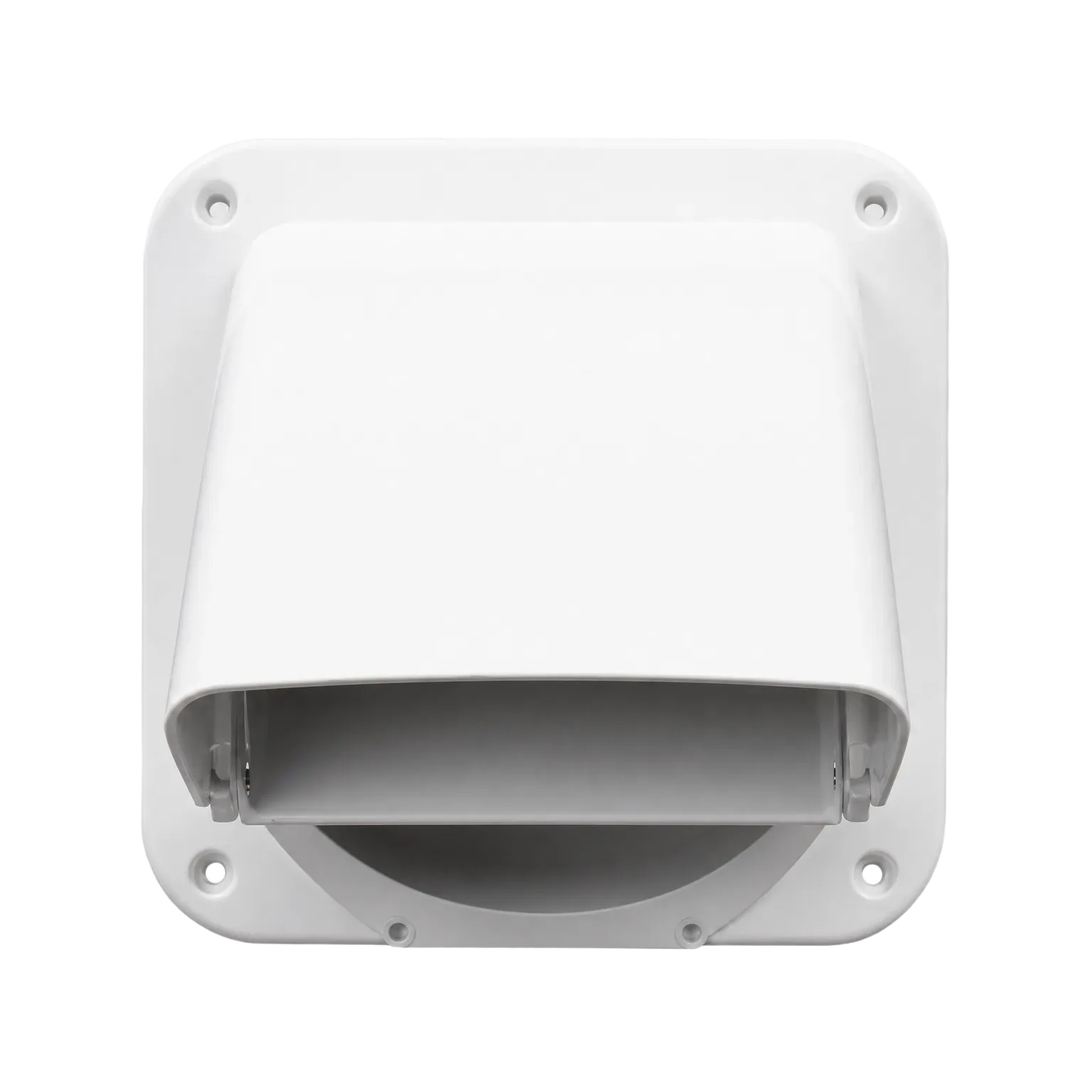
A white plastic wall vent with a square mounting flange, hooded cover, and round duct collar visible beneath, shown against a plain light gray background.
Let a pro reach out

Why are birds building a nest in my dryer vent?

You went outside to check on something and heard chirping, or scratching, coming from the vent hood on the side of your house. Maybe the flap won't close all the way anymore, or you've noticed grass and twigs caught in the opening. Dryer still seems to run, but something has clearly moved in. In Myrtle Beach, this happens more than people expect, especially with the vent hood facing a yard or tree line.

Birds see the vent hood as a ready-made shelter

A dryer vent hood looks like a hole in the wall with a flap over it, and to a bird looking for a place to nest, that's exactly what it is. Warm air pushes out every time the dryer runs, which makes the opening even more appealing during the cooler months when a warm, dry spot matters. If the flap is bent, stuck open, or missing a spring, a bird can push through it without much trouble. Once a nest is built inside the duct, it blocks airflow and traps lint against the nesting material, which is a fire risk and also means the dryer has to work harder to push air through a duct that's partly or fully clogged.

  1. A bird finds the vent flap propped open by old lint buildup.

  2. It carries in twigs and grass to build a nest.

  3. The nest blocks the vent hood, so the flap won't shut.

  4. Lint collects behind the nest instead of blowing outside.

Nest Left In vs. Vent Cleared Out

Nest still there

  • Lint keeps collecting behind the nest instead of venting outside, so your dryer takes longer to dry a load.
  • The vent flap stays propped open by twigs and grass, which gives mice and insects an easy way into the vent too.
  • Warm moist air from the dryer has nowhere to go, so it backs up into the duct and sits against the nest material.
  • A blocked vent makes the dryer run hotter than it should, and that heat has nowhere to vent except back toward the drum.
  • Chirping or scratching sounds mean there are still birds in there, and removing a nest with birds in it takes care most homeowners aren't set up to do.

Vent cleared

  • Lint and nest debris come out of the duct, so air can move from the dryer to the vent hood again.
  • The flap closes fully once the blockage behind it is gone, which keeps the next bird from finding an easy way in.
  • A guard or screen can go over the vent hood opening so this doesn't happen again next nesting season.
  • Drying times go back to normal once the duct is clear and air is moving the way it's supposed to.
  • A full inspection shows whether lint built up somewhere else in the duct run that let the flap stick in the first place.
A white plastic hooded dryer vent cover mounted with screws on beige horizontal lap siding, next to a plain pale wall surface.

Why the flap matters so much

The flap on your vent hood only opens when the dryer is running. At rest, its own weight is supposed to hold it shut. A bird testing that flap and finding it loose enough to push has usually found one that's bent, or one with a weak spring, or one half-propped by lint already caught in the hinge. That small gap is all a Carolina wren or a sparrow needs to start carrying in nesting material.

A metal louvered exterior vent hood screwed to a beige horizontal lap siding wall, with a blank light-colored surface filling the left half of the frame.

What a blocked vent does to the dryer

A dryer is built to push hot, moist air out through several feet of duct against normal resistance. A nest packed into the vent hood adds resistance the motor and heating element weren't sized for. Lint and heat back up inside the duct instead of leaving the house. Over time that heat has to go somewhere, and the duct itself is one of the more common sources of house fires tied to dryers, which is exactly why the exhaust path has to stay clear.

What's actually going on at your vent right now

A load that used to take an hour now takes two, or three, and the top of the dryer feels hot to the touch. You crack the door and the laundry room smells faintly scorched, like dust burning. Outside, the vent hood has gone quiet during the day but you still hear movement in early morning. Lint has started showing up in the trap faster than it should, because the normal path out is blocked and it has nowhere else to go. Left alone, that blocked vent keeps heat and moisture trapped in the line, and a dryer running hotter than it should for longer than it should is how vent fires start.

A smiling bearded man in a navy long-sleeve shirt sits on a gray sofa in a living room, with a bowl of popcorn in the foreground and shelves and a window behind him.
A smiling bearded man in a dark sweatshirt sits on a sofa in a living room with a bowl of popcorn and a mug in the foreground, a potted plant and large window behind him.
A bearded man in a dark green shirt over a white tee sits smiling on a gray sofa in a living room, with a patterned cushion and a bowl of popcorn nearby and a kitchen with pendant lights blurred in the background.
A smiling man in a dark long-sleeved henley shirt reclines on an olive-green sofa in a living room, with a wooden bowl of popcorn in the foreground and shelving and a large potted plant behind him.

Finding a pro stops being your job

Answer a few questions instead of calling shop after shop.

No fee to send it, and nothing to sign.

Leave the nest and keep using the dryer anyway, telling yourself you'll deal with it later. Every load after that runs hotter and slower, and the dryer is working against a blockage the whole time it runs.

Have the vent cleared before you run another load. The dryer goes back to drying a load in the time it's supposed to, and the warm moist air that drew the bird in stops venting into a space it can nest in.

How many loads a week is that vent actually drying?

  • 2.37 people per household on average

    Most Horry County households run 2.37 people's worth of laundry through that vent, so a blocked nest backs up a dryer that was already working most days of the week.

  • Half the homes here were built by 1999

    Half the homes here were built in 1999 or earlier, which means the vent hood a bird found loose enough to nest in has often been through twenty-five years of weather and wear.

  • Power here costs 13.25 cents per kilowatt-hour

    Electricity here runs 13.25 cents a kilowatt-hour, and a dryer fighting a blocked vent pulls power for an extra cycle or two just to finish one load.

ACS 2020-2024 · EIA-861 2025

A white plastic hooded dryer vent with a mesh screen, fastened by four screws to beige horizontal lap siding above a concrete foundation wall.

Vent clear and working

This is what the flap should look like against your siding. It sits closed when the dryer is off and swings open only when air is pushing through it. No gaps at the corners, no debris caught in the screen, nothing holding it open from the inside.


A white plastic hooded dryer vent with a louvered grille mounted on horizontal vinyl siding above a textured concrete foundation wall.

Vent packed with lint

This is what a blocked vent looks like from outside. Lint has caked across the screen and built up in the grid until air barely gets through. A flap in this state can't seat shut, which is exactly the gap a bird looks for before it ever starts building.

A bird got into that vent because the flap wasn't closing right, and the nest it built is why your dryer is running hot and slow now. That part doesn't change until the nest is out and the flap can shut on its own again. You could spend the next few evenings calling around Myrtle Beach and Horry County, explaining the same thing to each one, asking who actually clears a vent with a nest in it versus who just cleans lint, and waiting on quotes to compare. Or you can send one form and let someone else carry that part. Either way, the vent needs to be opened up, the nest and the lint behind it cleared out, and the flap checked so it closes flush against your siding again. Until that happens, every load is drying against a blockage, and the moist air that drew the bird in to begin with keeps building behind it.

A white clapboard house at dusk with a lit pedimented portico, wooden front door, potted ferns, stone walkway, lawn, and illuminated hydrangea shrubs.

Dryer Vent Cleaning

Let someone else find the pro

Duct and vent cleaningHorry County, SC
Step 1 of 3

What kind of equipment?

  • An olive-green upholstered armchair with a cream knit throw and pillow, beside a matching ottoman holding a mug on a wooden tray and a book, with a dark wood bookshelf, candles, a large leafy plant, and a patterned rug nearby.
    • Get matched with someone who does this kind of work in Horry County.
    • Get matched with a Horry County pro who cleans dryer vents.
  • Two stacked hardcover books, the top one green, sit on a round dark wood table beside a ceramic mug and a potted fern, with a leather armchair, green cushion and knitted throw behind near a curtained window.
    • One request and the search for a pro is handled.
    • Send it once and finding someone is no longer on you.
  • Living room interior with a stone fireplace and wooden mantel holding ceramic vases and a framed artwork, a round wood coffee table with a dark vase of greenery, a shallow bowl, books and a stone cup, and a beige sofa with gray pillows and a dark throw in the foreground.
    • Skip searching for someone who cleans dryer vents in Horry County.
    • Fill out one short form instead of calling around.
  • An outdoor air conditioning condenser unit on a concrete pad beside a brick house, with a wall-mounted disconnect box and conduit, lawn and flowering shrubs at left, and a sunset sky in the background.
    • Only one pro gets your request, so you hear from one company.
    • A licensed pro who works in Horry County gets your request.