

Vent clear and capped
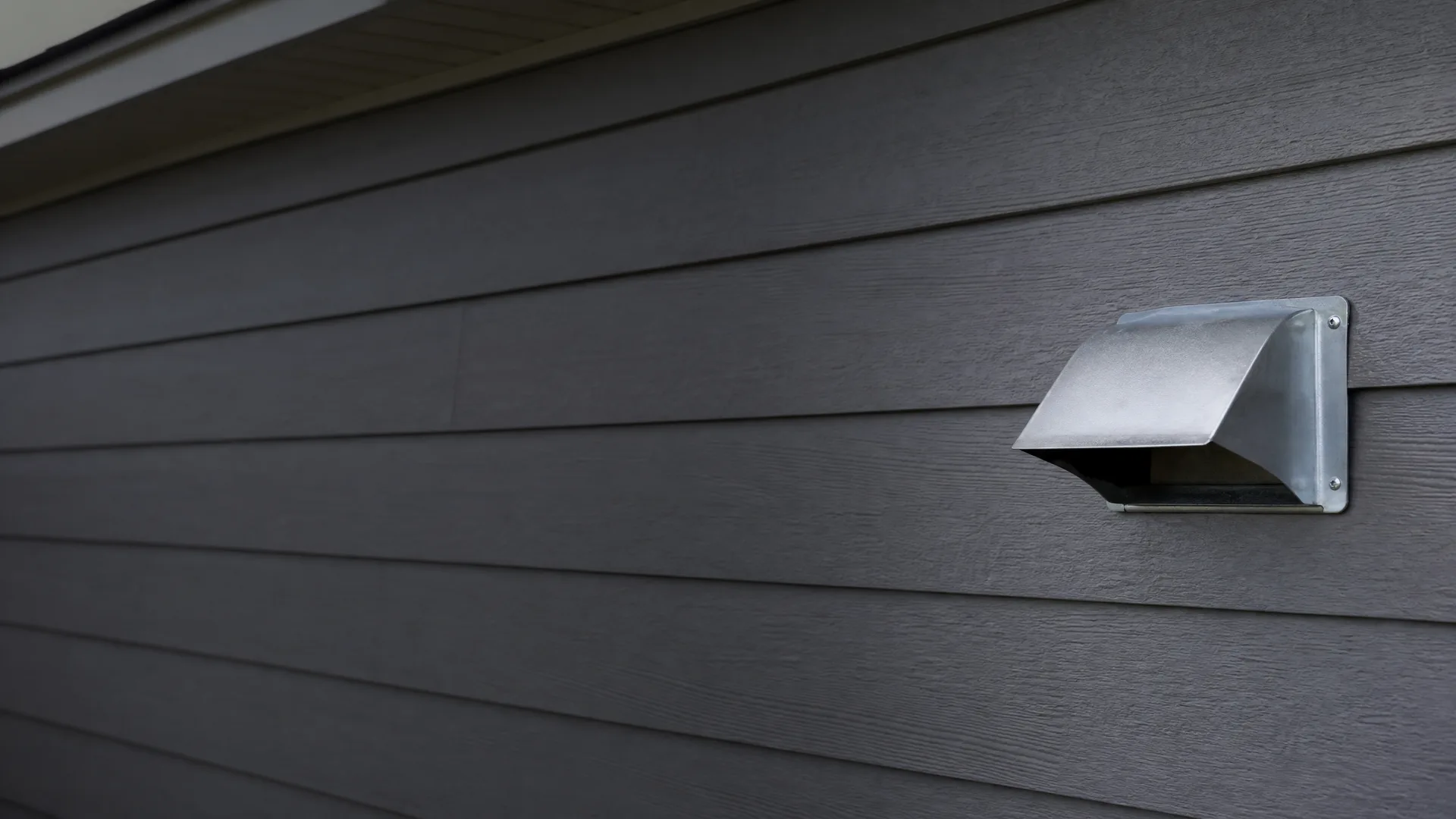
Air moves out fast and the hood flap swings shut behind it. No nest material, no lint buildup, just a clean path outside. This is what lets a dryer run its normal cycle and shut off on time.
A bird in your dryer vent usually means a nest, and it happens because the flap at the outside hood is weak, bent, or stuck open. Birds look for a sheltered spot to build, and a vent that stays propped open gives them one, especially in spring when they're nesting and in South Carolina's humid summers when a damp, warm draft from the vent makes it even more inviting. Once there's a nest inside, lint and feathers pack in around it and the exhaust air can't get outside the way it should. That matters for two reasons. The dryer takes longer to dry a load and runs hotter doing it, and the blocked vent is a known cause of dryer fires. If you've noticed chirping near the vent, a bird flying in or out of the hood, or your dryer running longer than it used to, there's likely a nest built up somewhere in the line between the dryer and the outside wall.


Spring is when starlings and house sparrows go looking for a place to build, and a dryer vent hood that doesn't snap shut gives them a warm, dry spot that stays that way. Once the nest is in there, the flap can't close right, so the hot, damp air your dryer pushes out has nowhere to go but back into the duct. That air runs near 135 degrees, and it's venting straight onto dried grass, twigs, and feathers. That's a real fire risk, not a small one. It also means your dryer works harder, running longer cycles because the moisture it's supposed to push outside is backing up instead. Lint rides along with that exhaust air, and once the nesting material slows things down, lint starts catching on it and building up fast. The fix isn't just pulling the nest out. A technician clearing it also checks whether the flap itself got bent or damaged, and makes sure the duct is actually clear all the way to the outside, not just at the hood.




Most homeowners notice the dryer first, not the vent. A load that ran forty minutes last month and now needs an hour and a half is the usual tip-off, and it means something is sitting in the line cutting off the airflow the dryer depends on to push air out. If clothes come out warm instead of hot, still a little damp when the cycle says they should be dry, that is the same problem showing up a different way. Some people catch it by smell before anything else, a burning or hot smell that comes from lint and nesting material sitting closer to the heating element than it should. Others hear it before they see any of it, a chirping or scratching sound coming from the wall or the vent line, which means birds are already living in there rather than just checking it out. A dryer that stops mid-cycle on its own is often doing exactly what it is supposed to do, shutting down because the heat has nowhere to go. In South Carolina, the humid summers slow down how fast anything nesting in that line can dry out, so you can end up smelling mildew and worrying about fire risk from the same blockage at the same time. None of these on their own prove there's a nest, but a couple of them together, especially the longer dry times and the smell, are worth paying attention to before the dryer forces the issue by shutting off completely.


Fill out one short form instead of calling around.
Your dryer vent cleaning request goes to a local pro who does this work.
There's no charge for the request.
Air moves out fast and the hood flap swings shut behind it. No nest material, no lint buildup, just a clean path outside. This is what lets a dryer run its normal cycle and shut off on time.

Lint is pushing out through the louvers because nothing inside is moving it along anymore. A nest further back in the line is likely holding the flap open and catching everything that passes. Airflow this blocked puts heat and moisture right back into your duct.
At 15.12 cents a kilowatt-hour, a dryer working twice as long to push air past a nest shows up on your bill. With most homes here heating on electricity too, a dryer running hot and strained longer than it should adds up over a year, not just one cycle.
EIA-861 2025 statewide residential average

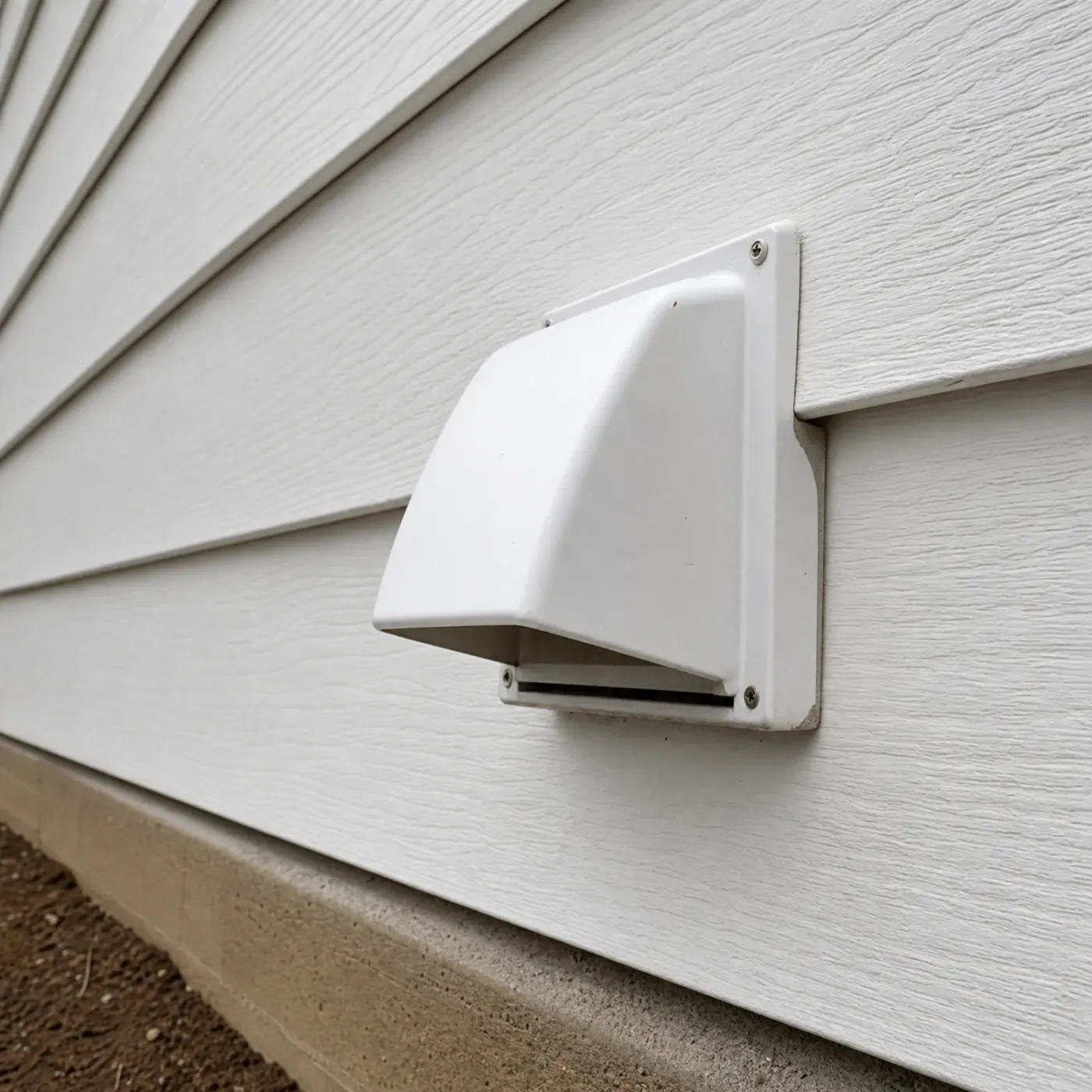
The hood sits flush against the siding and the flap closes all the way once the dryer shuts off. Nothing holds it open, so nothing gets in. Air pushes straight out with each cycle.

The flap can't close because lint has built up thick enough to prop it open, and that buildup is what gives a bird somewhere to nest in the first place. Once it's wedged open like this, the dryer is pushing air against a blockage instead of out through it.

A dryer vent with a nest in it stays that way until someone pulls the nest out and checks that the hood flap swings shut again. That's the whole problem and the whole fix. Nothing about a South Carolina summer or a mild winter changes it, and the dryer won't push it out on its own no matter how many loads you run.
If you'd rather not get on a ladder or guess how far back the blockage sits, you can get matched with a contractor who handles this and have them reach out to you. That's one call made instead of several, no explaining the nest story twice, no sorting through quotes on your own. You'll know where things stand without doing that legwork yourself.

Explain the job once and skip repeating it on every call.