Profile view of a bearded man wearing a dark baseball cap and a dark gray T-shirt against a plain off-white background.

Birds nesting in a dryer vent in Greenville, SC

Duct and vent cleaningGreenville County, SC
Step 1 of 3

What kind of equipment?

A bird in your dryer vent is usually a chimney swift or a house sparrow that got in during spring, when they're hunting for a spot to build a nest. The vent hood flap is supposed to keep them out, but a weak flap spring or a flap stuck open gives them a way in, and the duct behind it is warm, dry and sheltered, which is exactly what a nesting bird wants. Once nesting material packs into the duct, your dryer has to push air through a smaller opening, so it takes longer to dry a load and runs hotter doing it. That heat has nowhere to go but back into the duct, against a nest of dry material, and that's a fire risk, not just a nuisance. If you're hearing scratching or chirping near the vent, or noticing damp, slow-drying loads, the nest is likely already built and needs to come out before you run the dryer again.

Why does a bird in the vent matter so much in your house?

  • 2.43 people per household on average

    With 2.43 people in the average Greenville County household, that dryer is likely running loads most days of the week, so a blocked vent gets tested fast.

  • Half the homes here were built by 1992

    Half the homes in the county were built by 1992, old enough that the vent run and hood have likely been replaced or patched at least once by now.

  • Power here costs 14.44 cents per kilowatt-hour

    At 14.44 cents per kilowatt-hour, power here runs about average, but a dryer fighting a nest still pulls the same power for a load that takes longer to dry.

ACS 2020-2024 · EIA-861 2025

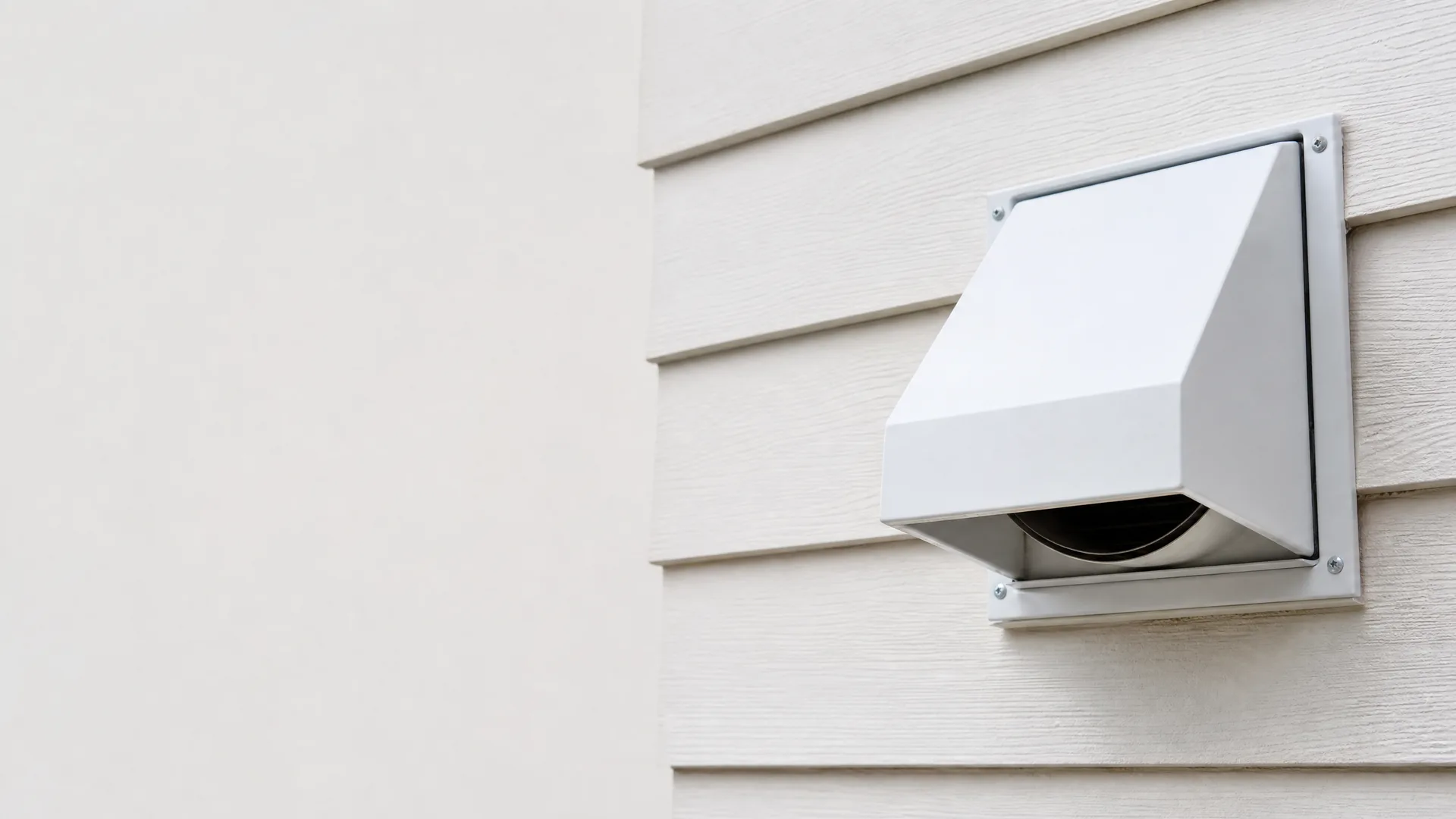
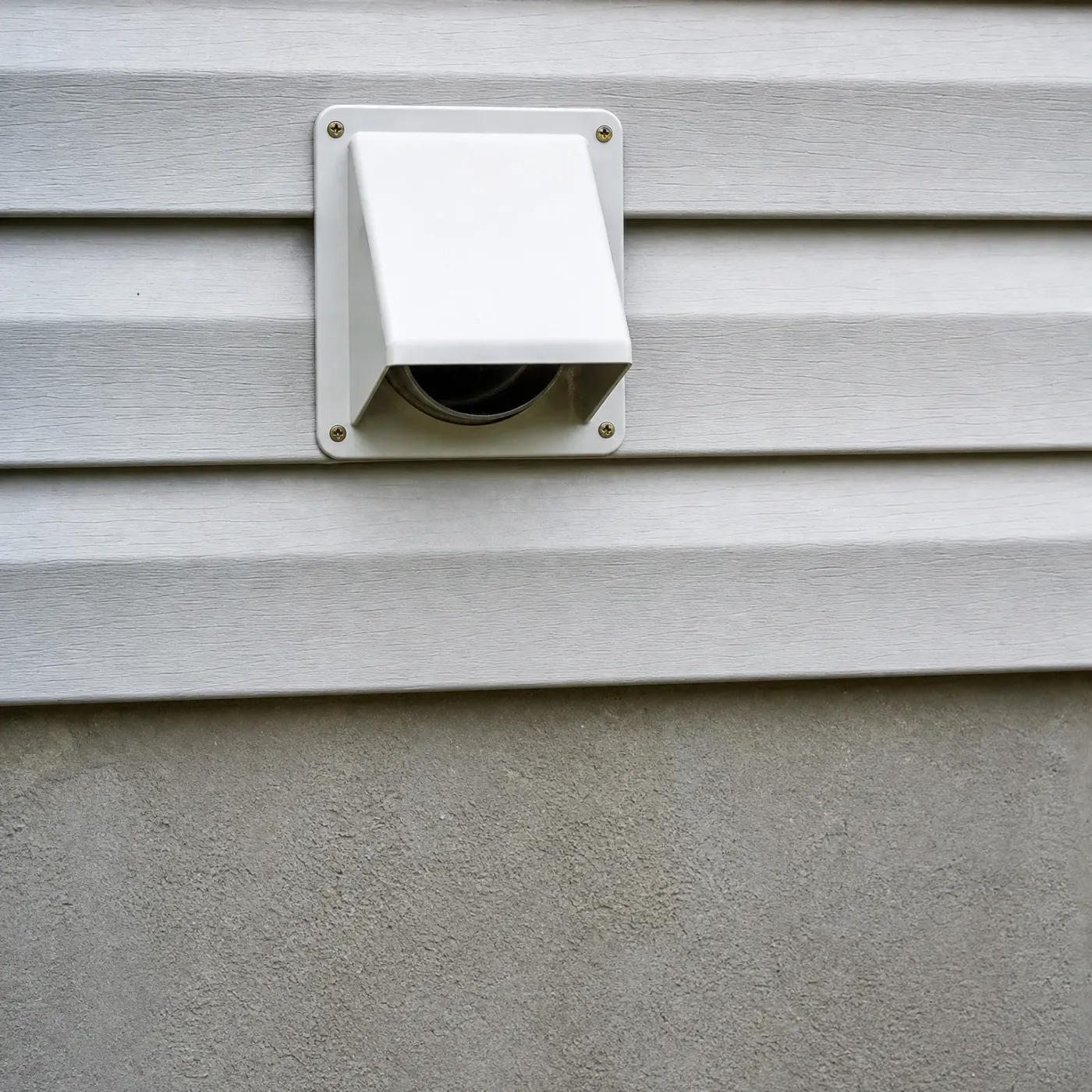
A white hooded dryer vent with a square mounting plate screwed onto light gray horizontal vinyl siding, above a gray stucco-textured lower wall.

Clear and open

Air passes through the flap every time the dryer runs, and the flap swings shut again between loads. Nothing sits in the opening. This is what keeps the dryer drying in the time it should and keeps the exhaust, lint and all, going outside where it belongs.
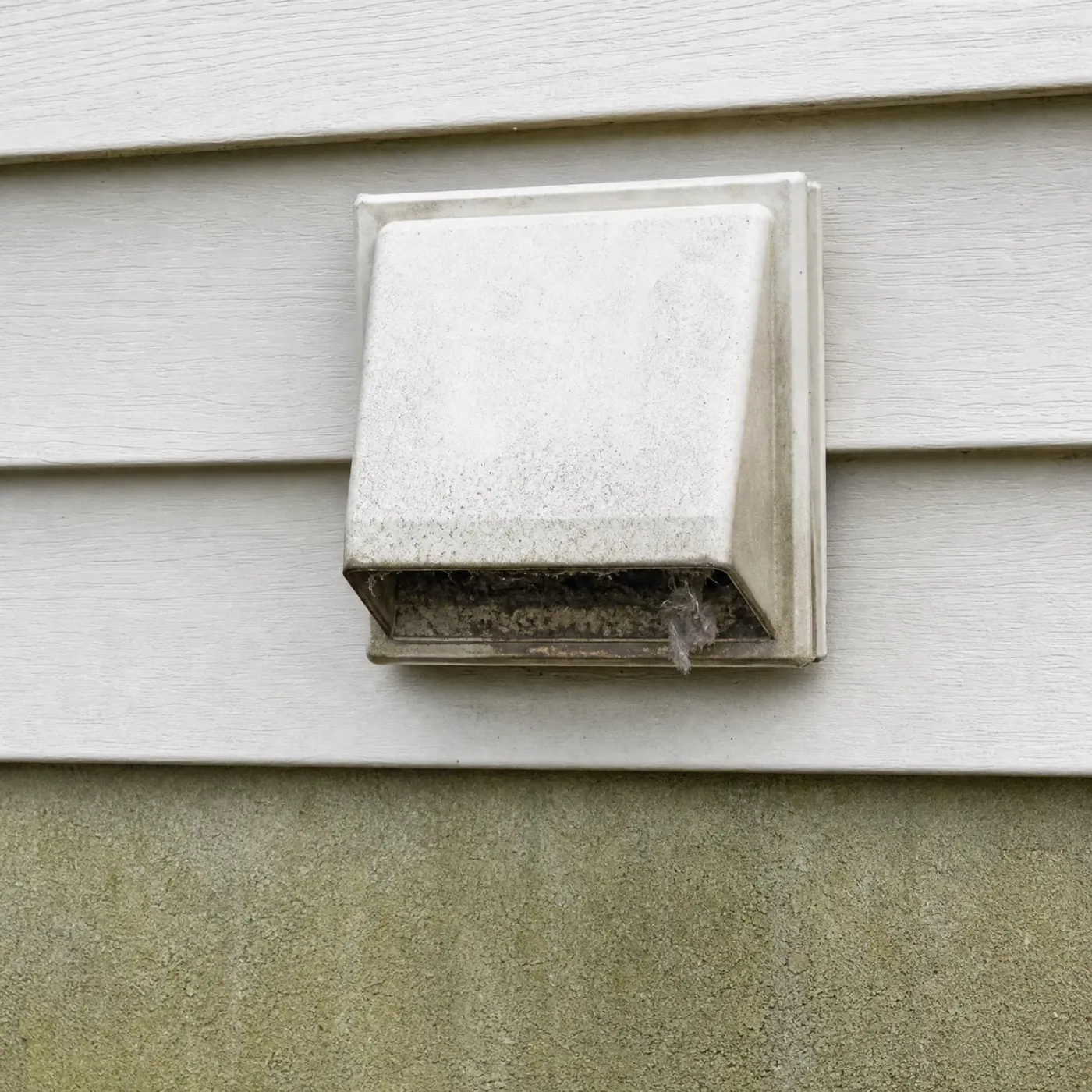
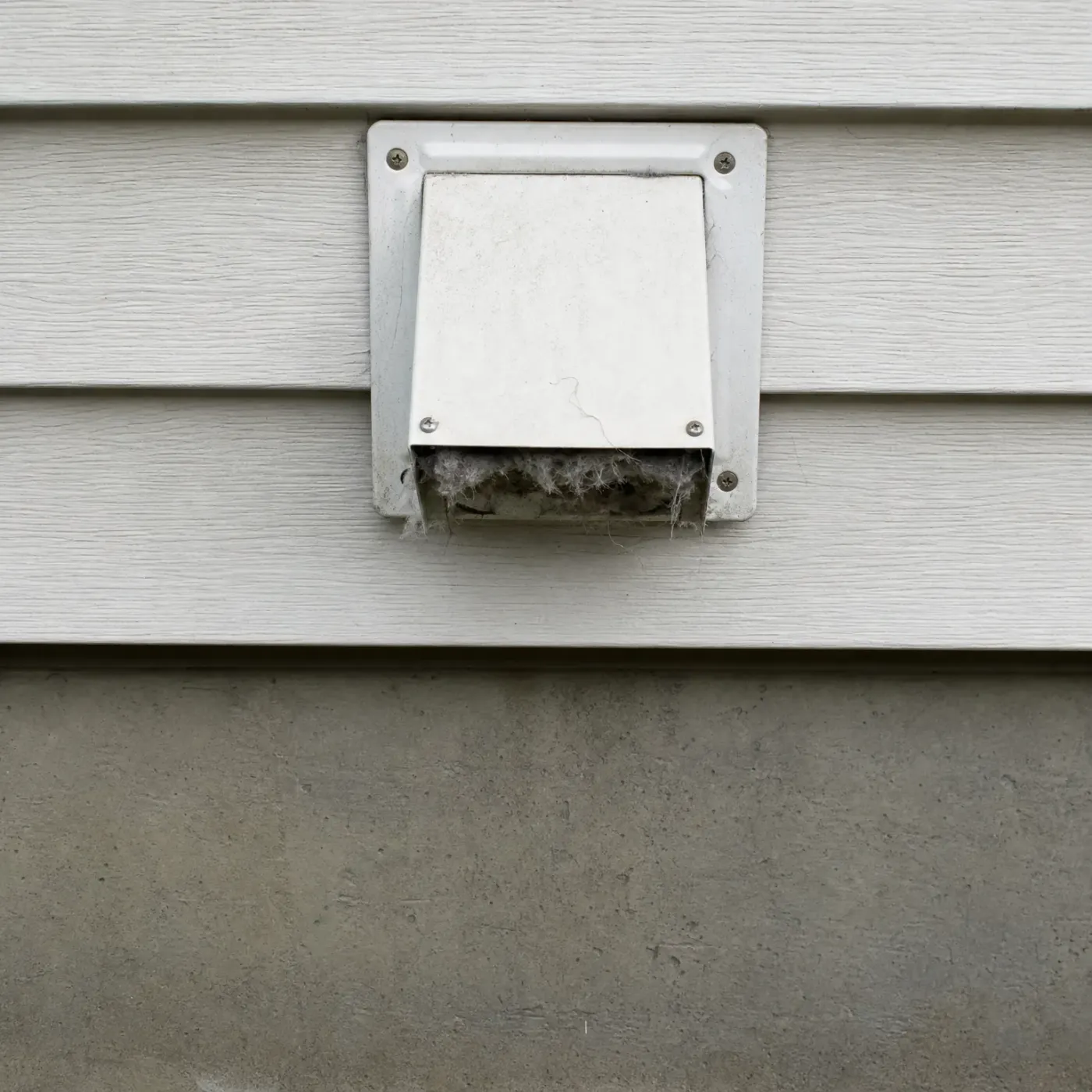
A white plastic dryer vent hood mounted on light-colored horizontal lap siding, with lint caught in its lower opening and a green-stained foundation wall below.

Blocked by a nest

Lint is catching on nesting material instead of blowing clear, and you can see it bunching at the flap. A dryer pushing against a part-blocked vent takes longer to dry a load and runs hotter doing it, and the exhaust has nowhere to go but back toward the flap.

Leave the Nest or Clear It Out

Nest left alone

  • Lint built up around the nest material turns the vent into dry kindling sitting a few feet from your dryer's heating element.
  • A dryer working against a blocked vent runs hotter and longer, and the high-limit switch may start tripping mid-cycle.
  • Nesting material doesn't clear on its own once the birds move on, so the blockage stays until someone pulls it out.
  • Moisture from each load has nowhere to go, so it collects in the duct and can soak into the insulation around it.
  • A sparrow or swift can keep returning to the same spot year after year if the opening that let it in is never fixed.

Nest removed and vent cleared

  • A contractor who works on vents every season knows how to check the full duct run, not just the hood where the nest is visible.
  • Clearing the nest and the lint packed around it lets the dryer vent the way it was built to, with exhaust moving straight outside.
  • A local contractor can look at the flap itself and tell you whether a weak spring or a stuck hinge let the bird in to begin with.
  • Fixing the flap closes off the opening that drew the bird in, so the vent isn't an easy target again next spring.
  • Getting matched with one contractor means one visit and one assessment, not a handful of companies all giving you different answers.
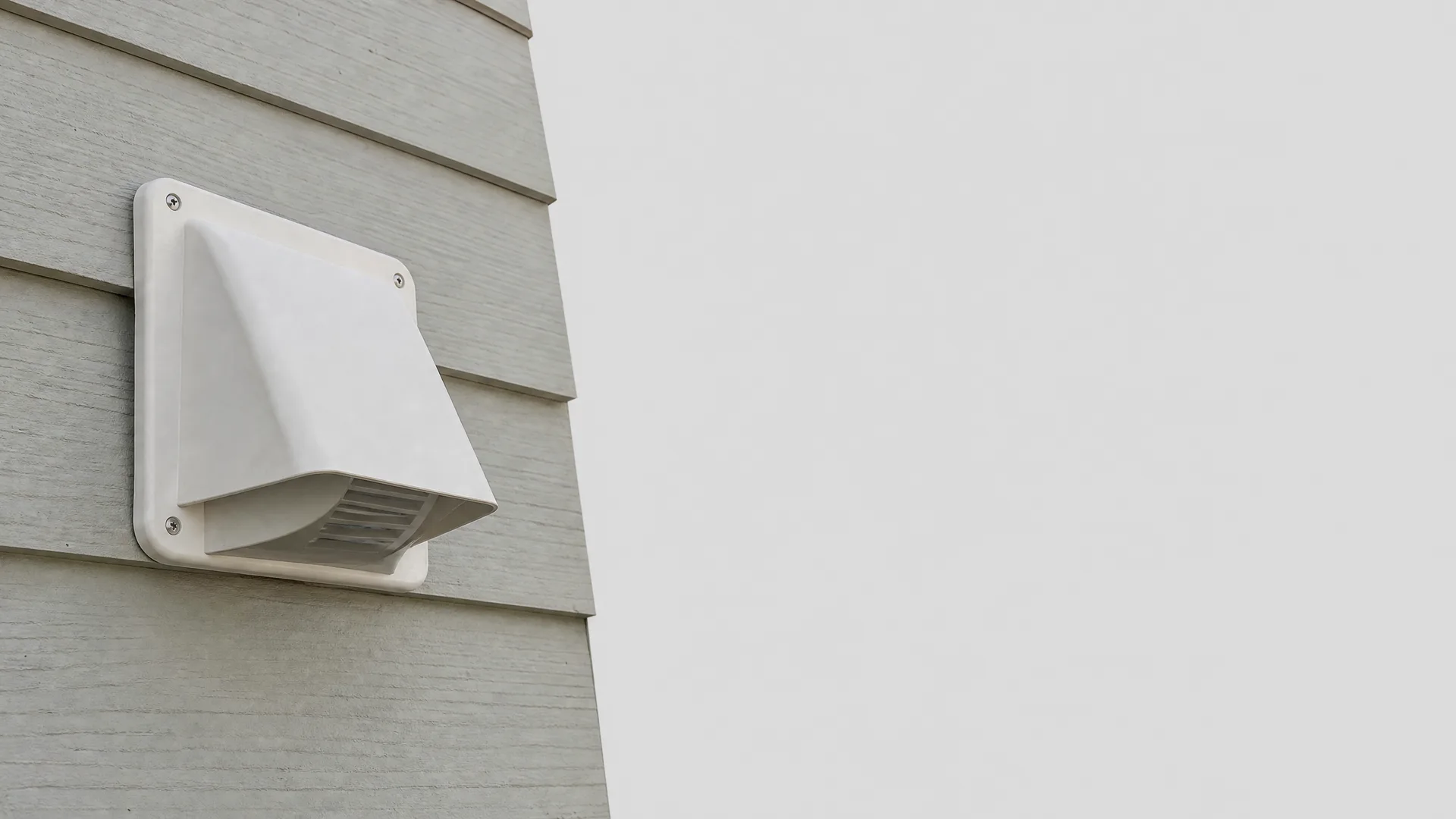
A white plastic hooded dryer vent with a louvered opening mounted on gray horizontal lap siding, beside a plain light-colored wall surface.

Why spring is the risk window

Chimney swifts and house sparrows look for nesting spots from March into May, right when they're building for the season. A dryer vent hood is dark, dry and a few inches wide, which is close enough to a hollow tree or an eave gap to draw their interest. Once a bird starts dropping twigs and grass into the opening, more material follows within days. A vent hood checked in February can have a nest in it by April.

A white hooded dryer vent cover screwed to beige horizontal lap siding on an exterior house wall, with a blank wall at left.

How the flap is supposed to work

The flap on a vent hood hangs on a small spring or pivots on its own weight, and it's built to open only when the dryer is pushing air through it. Between loads it should sit flat against the hood with no gap a bird or insect can use. Once the spring weakens or the flap hinge rusts, the flap hangs open even with the dryer off, and that gap is what turns a vent hood into a nesting spot.

A woman stands in the open front doorway of a single-story house with a dark hipped roof and light siding, while a man in a navy jacket and cap is seen from behind in the foreground on the paved walkway.

What this means for your dryer right now

If a bird has built in your vent this spring, you'll likely notice the dryer taking longer to finish a load, or the outside of the machine running warmer than usual. Some houses pick up a burning smell as lint packed around the nest heats up. Check the vent hood outside. If the flap won't close all the way, or you see nesting material poking out, that's your answer.

A local contractor who handles dryer vents in Greenville County sees this pattern every spring and knows how to clear a nest without damaging the vent line or harming the bird. Get matched with one who works in your area, and they'll reach out to sort out what's actually blocking your vent and what it takes to fix it.

A mug and a small round vase sit on a wooden windowsill beside sheer and heavier curtains, with blurred autumn trees seen through the rain-speckled window and a sofa with cushions and a throw in the foreground.
An older man with gray hair and a beard, wearing a dark jacket dusted with snow, stands smiling in a dimly lit hallway with lamps and a living room visible behind him.
A gray-haired, bearded man in a dark snow-dusted coat stands smiling in a dimly lit entry hall with a staircase, a lit table lamp, a framed picture, and a living room visible through a doorway.
An older man with white hair and a beard, wearing a dark snow-dusted coat and scarf, stands in a warmly lit interior hallway with a framed landscape picture, a table lamp and a potted plant behind him, and a snowy view through a window at left.
A gray-haired, bearded man in a dark coat dusted with snow stands smiling in a dimly lit room with a lamp, mirror, framed art, and a sofa in the background.

What would you actually notice in your house

You'd probably hear it before you see it. A chirping or scratching sound from the wall or the vent hood when the dryer isn't even running, usually in the early morning. Outside, the vent hood flap might sit propped open instead of closing flush, sometimes with bits of grass or straw poking out around the edges. Run a load and watch the hood itself: little or no air moving out of it is a sign the opening is packed with nesting material. Inside, clothes come out damp after a full cycle, or the dryer runs long and the drum area feels hotter than usual. Left alone, that packed vent keeps lint from venting out, and lint sitting that close to the heating element is a fire risk.

A woman wrapped in a chunky knit blanket sits in an armchair with an open book on her lap, beside a lit table lamp and a window with frost and snow outside.
A smiling older woman with gray hair in a loose bun wearing a ribbed beige sweater stands in a dimly lit kitchen beside a window showing darkness outside, with a loaf of crusty bread on a wooden board in the foreground.
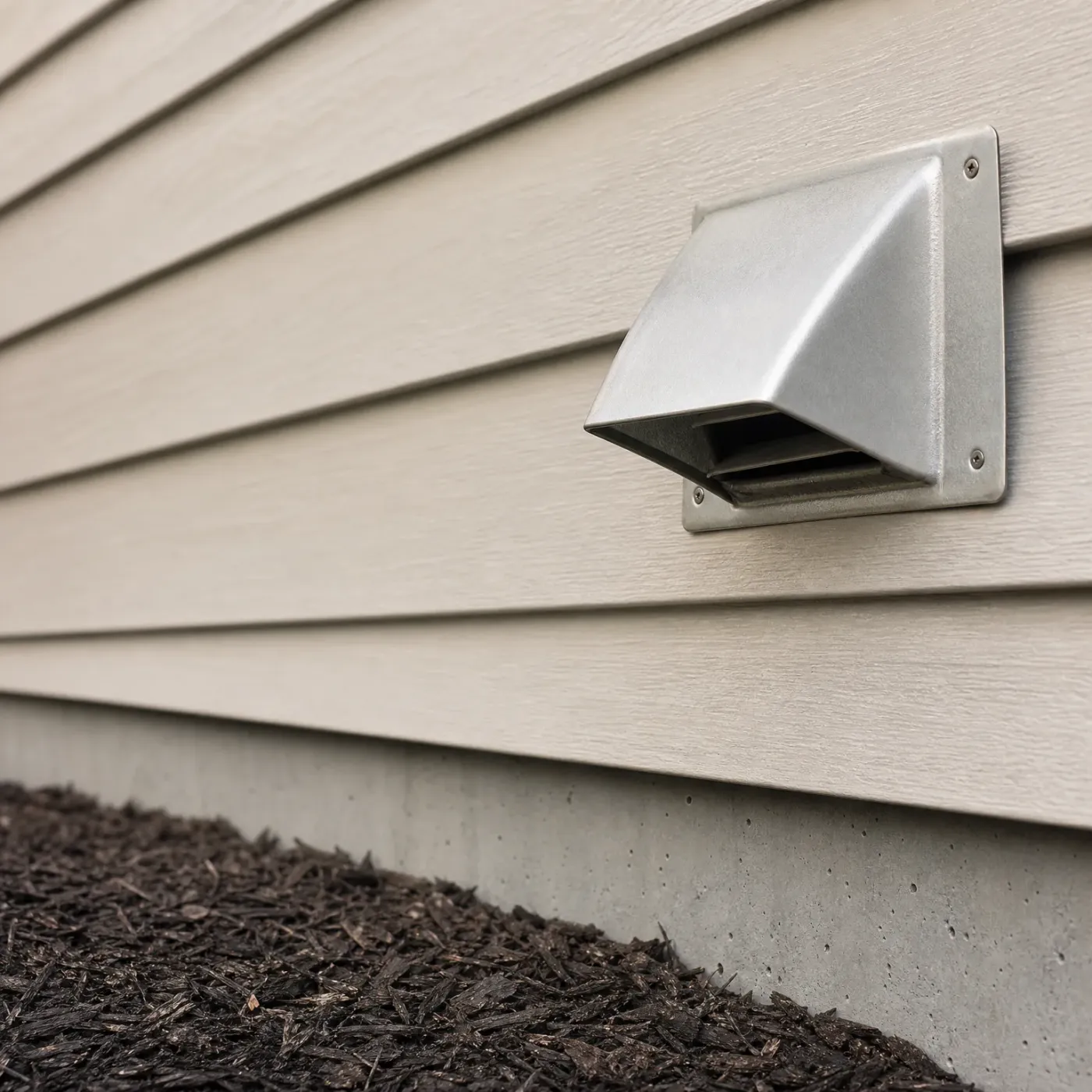
A metal hooded exterior dryer vent with louvered opening mounted on beige lap siding above a concrete foundation bordered by dark mulch.

Get matched with a dryer vent pro in Greenville County

The pro who gets in touch is licensed in South Carolina and works in Greenville County.

Get matched with someone who does this kind of work in Greenville County.

Find a licensed pro

Asking costs nothing, and the choice to hire stays yours.

How do you get a bird out of a dryer vent?

How do you get a bird out of a dryer vent?

Open the vent from outside, don't run the dryer to flush it out

Running the dryer to force the bird out seems like the obvious move, but it pushes lint and nest material deeper into the duct and can heat up material sitting right next to the element. The safer order is to find the vent hood outside, pull it open by hand, and let the bird leave on its own before anything gets disturbed further. If the nest is packed in deep, or the flap won't open because of what's built up behind it, that's a job for someone who can get into the duct from both ends without collapsing it or damaging the hood. A contractor who works on vents through the spring will have pulled a nest out this way before.

  1. Check the vent hood outside for nest material blocking the flap.

  2. Disconnect the dryer and pull it away from the wall.

  3. Detach the vent hose from the back of the dryer.

  4. Clear nest material from the hose and the wall duct.

2.43 people per household on average

At 2.43 people, your household is probably running close to a load of laundry every day. That's a lot of chances for a nest to turn a quick dry cycle into a long, hot one, and for you to be the one who notices first.

ACS 2020-2024

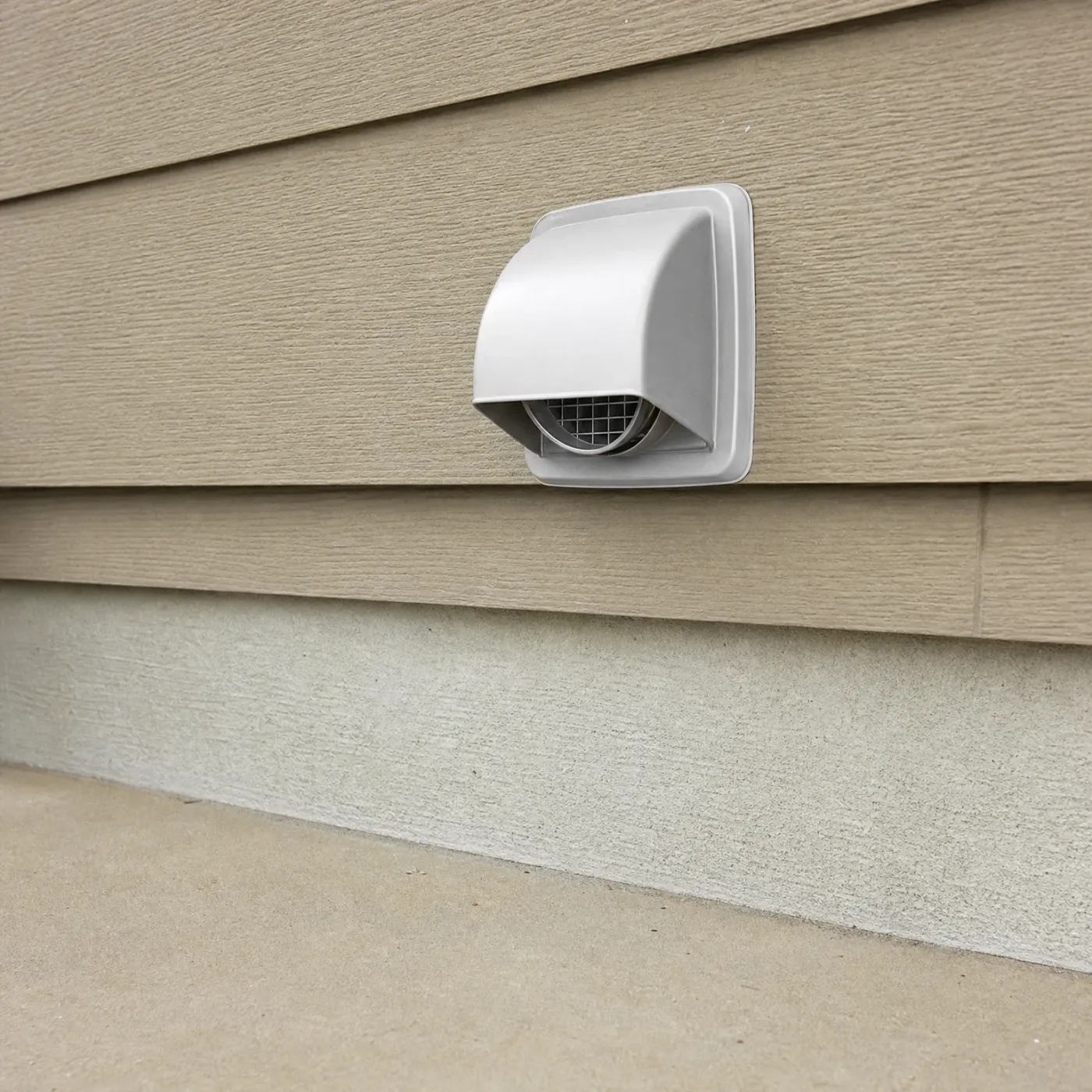
A white hooded dryer vent with a grille mounted on tan horizontal lap siding above a concrete slab.
A clear flap swings shut between loads, so no nest material or lint ever has a reason to gather in the opening.
A white plastic dryer vent hood with a hinged flap mounted on light grey horizontal lap siding, with lint clogging the opening beneath the flap and a concrete foundation wall below.
A nest wedges the flap open, and the lint catching on it is what turns a slow dryer into a fire risk.

Bird in the vent, in short

  • A bird in the vent almost always means a nest and lint packed together a few feet from the dryer's heating element.
  • A dryer fighting a blocked vent runs hotter and longer, which is what trips the high-limit switch or leaves a burning smell.
  • Clearing it means opening the vent from outside and pulling nest material out, not running the dryer to flush the bird free.
  • Spring is when chimney swifts and house sparrows are hunting for a nesting spot, so the risk window is narrow but real.
  • A contractor working dryer vents around Greenville sees this same spring pattern and knows what a blocked flap looks like from the yard.
  • Getting matched with one local, licensed contractor means a single call back from someone who already knows what to check first.

A bird in your dryer vent this spring is a nest, and a nest packed with lint sitting next to a heating element is not something to leave alone. The fix is straightforward: open the vent hood from outside, pull the nest material out by hand or with a vacuum, and check the flap swings shut again before you run a load. Running the dryer to try to clear it does the opposite, pushing lint further into the duct and against the bird. Chimney swifts and house sparrows are only looking for spots like this from March into May, so most of the year this isn't a risk at all. It's a narrow window, but a real one, and your dryer running hotter or longer than usual during these months is worth paying attention to.

If you'd rather have someone else check the vent and clear it properly, a local contractor who works on dryer vents around Greenville has likely pulled a nest out of one this same week. They know what a blocked flap looks like from the ground, what nest material does to airflow once it's packed in, and where lint tends to build up behind it. Getting matched means one contractor calls you back, someone already familiar with this spring pattern in this area, rather than your number going out to several companies at once.

Exterior corner of a house with light horizontal lap siding, a black-framed window with white trim and sill above a textured foundation, and green shrubs casting shadows at left.
Exterior corner of a house with taupe horizontal lap siding, white trim, a black-framed window, a shingle-paneled porch column base, a stone foundation, and white hydrangea shrubs in a mulched bed.
White-flowering hydrangeas and clipped green shrubs border a flagstone path alongside a house with pale horizontal siding and a white-framed window, under a leafy tree.
Exterior corner of a house with beige lap siding and white trim, a white-framed six-over-six window, a wooden porch deck with stone base, a flagstone path, and flowering shrubs in a planting bed.
A white-trimmed double-hung window with divided upper sash on a gray horizontal lap-siding wall, with white hydrangea blooms and shrubs below.

Find a dryer vent cleaning pro in Greenville County

A licensed pro who works in Greenville County gets your request.

Find a local pro

No fee to send it, and nothing to sign.