How often to clean a dryer vent in South Carolina

Send it once and finding someone is no longer on you.

Let a pro reach out

How often should I clean my dryer vent in South Carolina?

You've got a load of towels still damp after a full cycle, or the top of the dryer feels hot to the touch, and you're wondering if that's normal or if something's clogged. Evenings are when you notice these things, folding laundry and listening to the machine run longer than it should. In South Carolina's humidity, a vent that's already slow to clear moist air gives you less room before it starts causing problems.

Clean your dryer vent once a year

Once a year is the standard for most homes, and South Carolina doesn't give you a reason to stretch that out. Lint builds up inside the duct every time you run a load, and the muggy air here adds moisture to that lint instead of letting it dry out and loosen on its own. That combination packs the vent tighter over time. If your dryer runs a full cycle and clothes come out damp or hot to the touch, the vent is likely due sooner than a year. A full house with several loads a week, or a vent run that's long or has a few bends in it, also pushes you toward the shorter end.

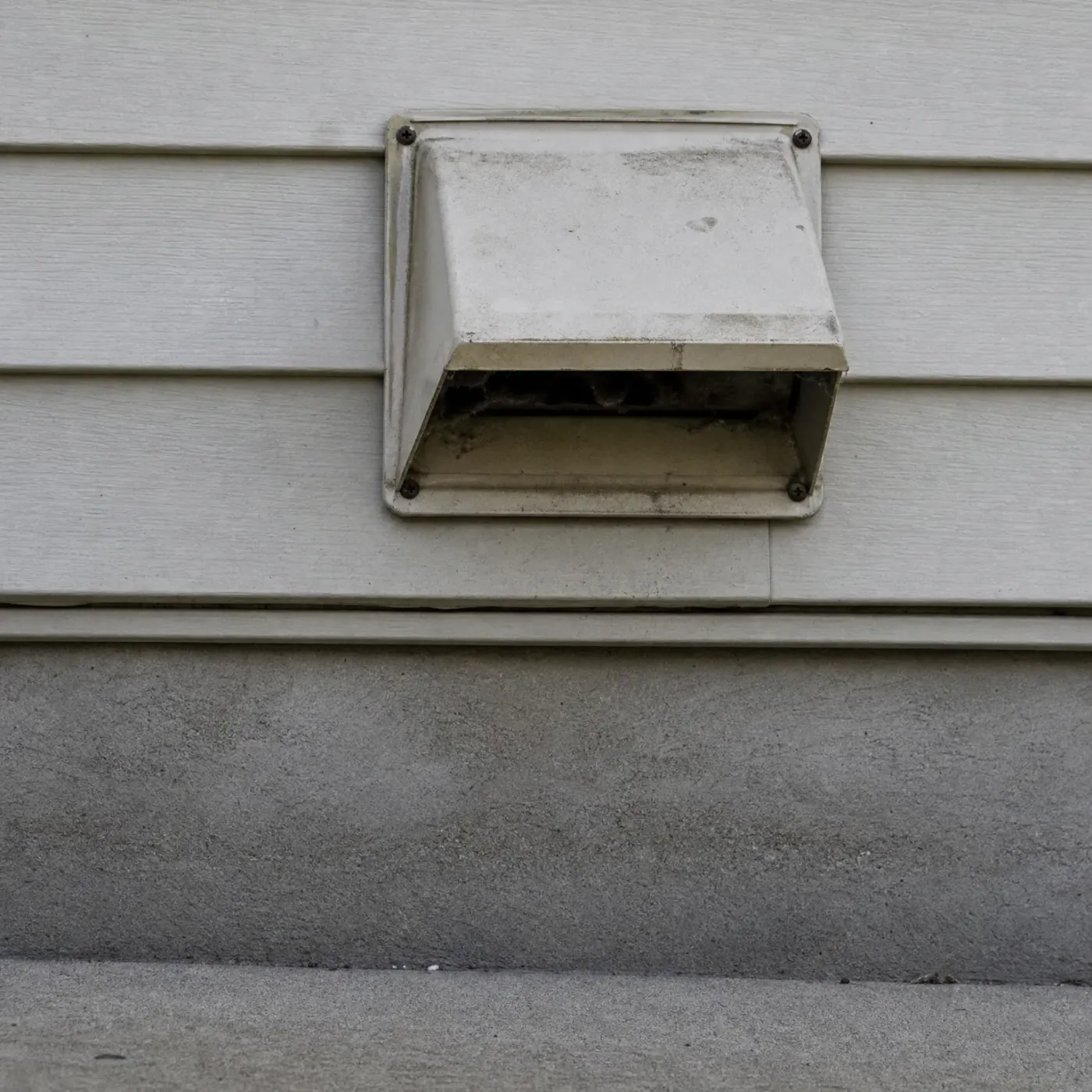
A white square dryer vent hood with a hinged flap mounted on light gray horizontal siding above a concrete foundation wall.

Vent clear, flap moving freely

The hood sits flush against the siding and the flap swings open when the dryer runs, closing again once it stops. Air pushes out in a steady, visible burst on a cool evening. Lint stays outside where it belongs, not building up in the duct behind the wall.

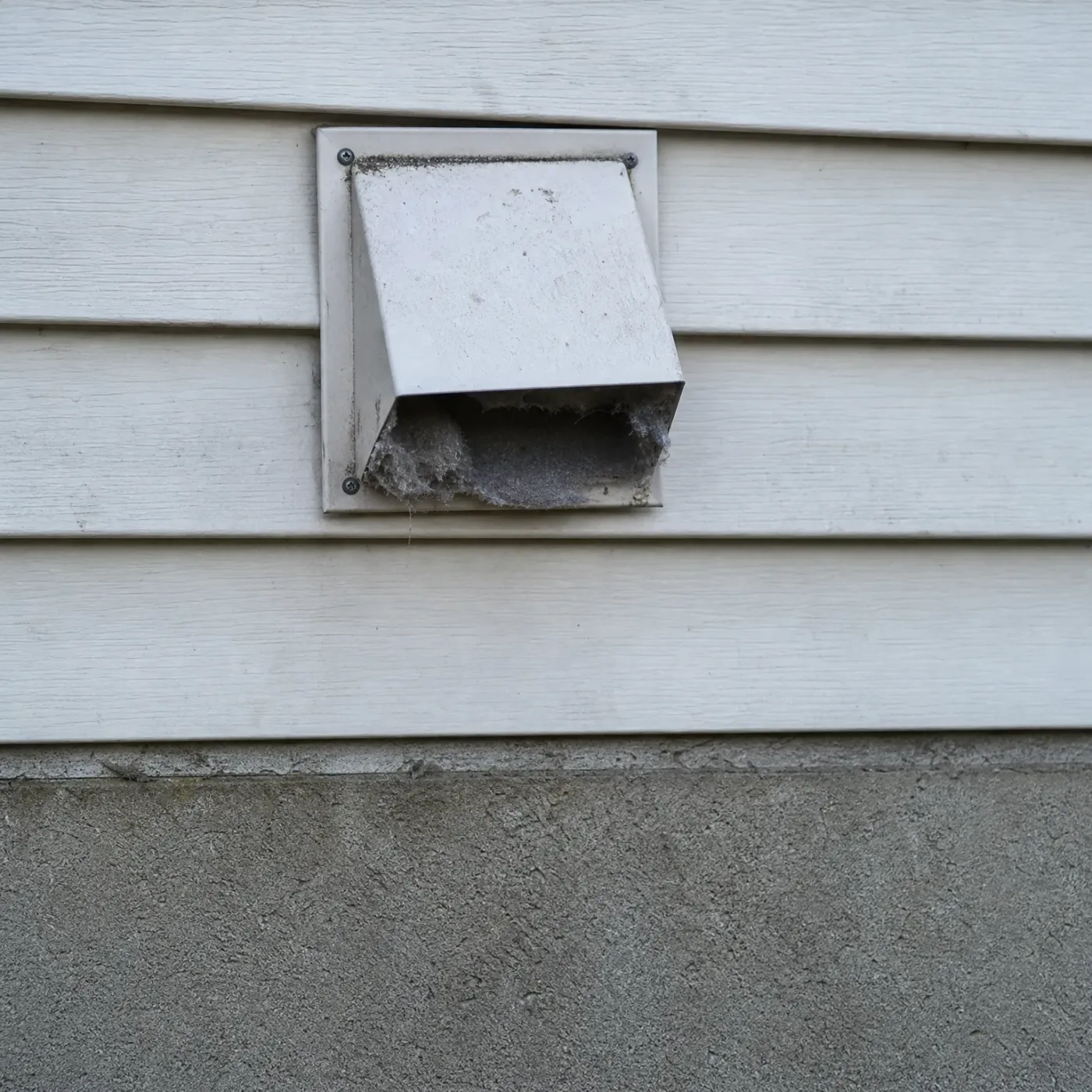
A white plastic hooded dryer vent screwed into light gray horizontal lap siding above a concrete foundation wall, with lint and dirt visible inside the vent opening.

Vent clogged, airflow choked

Lint has caked around the opening and the flap barely lifts, even mid-cycle. That weak push is the duct telling you it's packed with lint somewhere between here and the dryer. South Carolina's humid air makes that buildup damp and heavier, so it clings instead of blowing free.

A smiling bearded man in a dark blue henley shirt sits leaning back on a light grey sofa in a living room, with a bowl of popcorn on a wooden coffee table and a large window behind him.
A bearded man in a dark quarter-zip sweater sits smiling on a brown sofa in a dimly lit living room, with a bowl of popcorn and a mug on a table in the foreground and a potted plant near a window behind him.
A smiling man with graying dark hair and a beard, wearing an olive sweater, sits on a sofa in a living room beside a bowl of popcorn on a wooden table.
A smiling man in a dark green henley shirt sits on a gray sofa in a living room with a lit table lamp, wooden shelving unit, and a bowl of popcorn in the foreground.

The trap screen only catches what's near the surface. The rest of the lint rides the airflow down the duct and sticks to the sides, especially where the metal bends. That buildup is gradual, so you won't notice it in a week or even a month. You'll notice it in how hard the dryer has to work. Less air moving means more heat trapped inside the drum, and that's the warm cabinet you're feeling. Dryers have a thermal fuse for exactly this reason. It's a safety part that cuts power once the air restriction pushes the temperature past what's normal, so a dryer that suddenly won't start can be telling you the vent, not the fuse, is the actual problem. The shape of the duct run matters too. A straight shot with rigid metal pipe moves lint along and out. Foil ducting sags over time and gives lint a place to catch, and every elbow in the line does the same. Outside, the hood flap should swing open with some force when the dryer's running. If it barely moves, the air isn't getting there.

What's Happening Inside the Duct

  • Lint builds up inside the duct itself, not just in the trap screen you clean after every load.
  • A clogged vent forces the dryer to run hotter, which is why the cabinet feels warm to the touch.
  • The thermal fuse is built to blow when airflow drops too low, cutting the dryer off as a safety measure.
  • Rigid metal duct holds up better than the accordion-style foil kind, which sags and catches lint at every bend.
  • Every elbow in the run gives lint another place to settle, so a vent with several turns clogs faster than a straight shot.
  • The outside hood's flap is the last check: if it barely lifts when the dryer runs, the duct is already restricting airflow.
A white hooded dryer vent mounted on light-colored lap siding above a concrete foundation, with lint clogging its opening.
Before you get your dryer vent cleaning
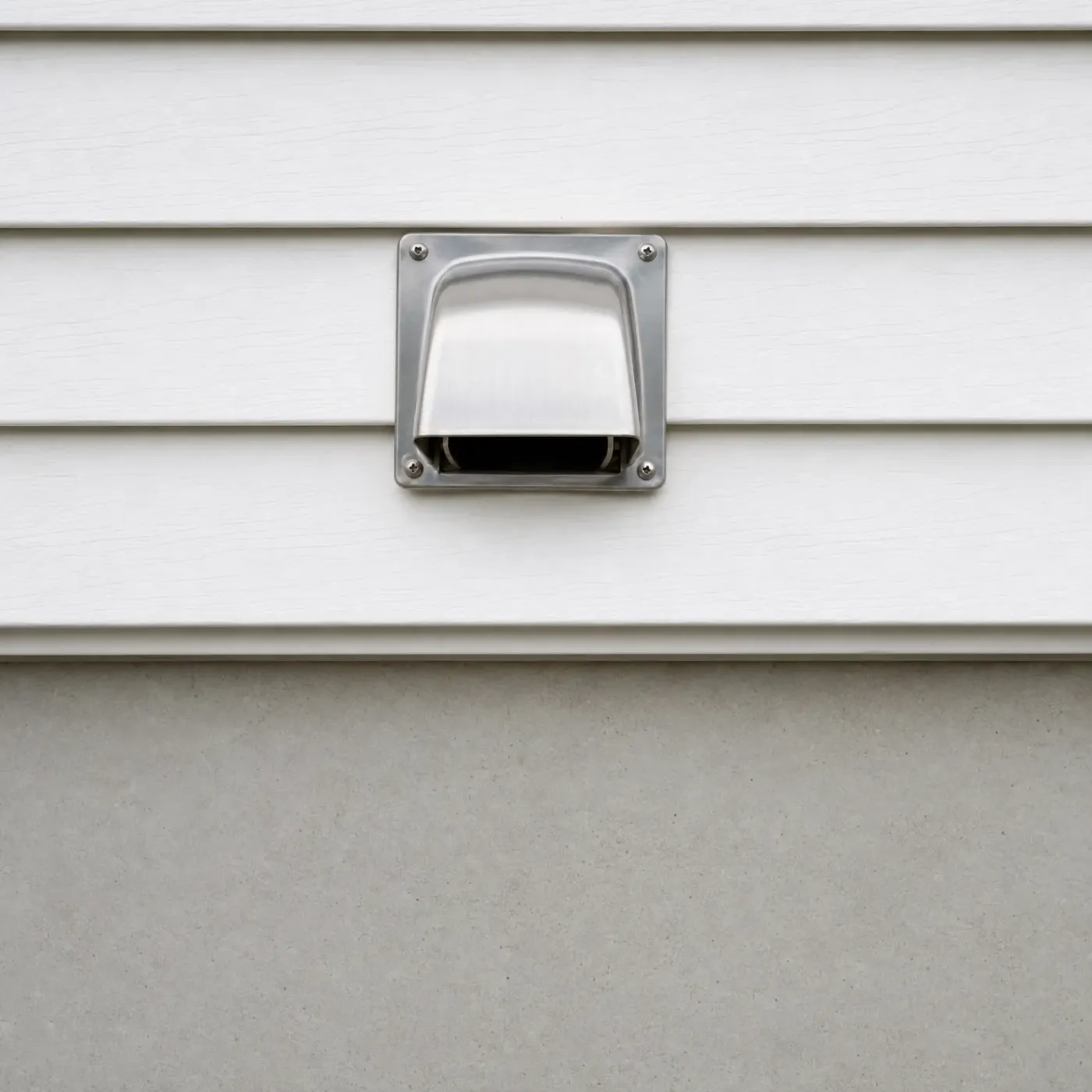
A stainless steel hooded dryer vent with four corner screws mounted on white horizontal lap siding above a gray concrete foundation.
After you get your dryer vent cleaning

Finding a pro stops being your job

Your dryer vent cleaning request goes to one local pro.

It costs nothing to send, and you don't have to hire anyone.

A full dryer vent run holds lint along every foot of duct, not just the last few inches near the hood, and a brush pass that only reaches the first bend leaves the rest packed.

That's why a cleaning job runs the whole length of the duct, from the back of the dryer to the outside hood, so airflow opens up along the entire line instead of just at one end.

Power costs 15.12 cents per kilowatt-hour statewide

Most homes here heat and dry with electricity, so a clogged vent costs you twice: the dryer runs longer to finish a load, and it's pulling power at 15.12 cents a kilowatt-hour the whole time. A clear vent gets the load done in one cycle instead of two.

EIA-861 2025 statewide residential average

What a clogged vent costs your evening

You load the dryer after dinner expecting to fold towels before bed, and instead you're running a second cycle while the evening gets away from you. That's the vent, not the dryer. A clogged duct cuts the airflow the dryer needs to push hot air out, so the same load takes two cycles to do what one should. You end up back in the laundry room later than you planned, swapping a damp load back in, and the time you meant to spend on anything else goes to standing by the machine instead.

What it risks if you let it go

A dryer that runs hot and still can't finish a load is working against a blocked duct every time you use it. That heat has nowhere to go but back into the cabinet, and lint packed along the vent is exactly what catches it. It's a slow build, not a sudden one, so the dryer still seems to work fine until the day it doesn't. Getting the duct cleared before that point means you're not the one finding out the hard way, and it means your evening gets the dryer out of it faster instead of slower.

A woman with dark hair in a bun reclines on a gray sofa with her eyes closed and a slight smile, wrapped in a cream knit sweater and blanket, with an open book resting in the foreground and a lit lamp in the dim room behind.
A smiling bearded man in a dark crewneck sweater sits at a dinner table with a lit candle, glasses of wine and water, and plates of food in the foreground, with a lamp, framed art and a potted plant behind him.

Once a year, done right

  • Clean the dryer vent once a year, and sooner if loads are taking longer to dry than they used to.
  • A clear vent moves the warm, humid air outside in one steady push instead of trapping it in the duct.
  • A contractor who works this equipment all year in South Carolina knows which bends and hood styles trap lint fastest.
  • Sending one request puts you with a single licensed local pro, not a string of callbacks from different companies.
  • Once the duct is clear, a full load finishes in one cycle instead of running twice to get towels dry.
  • You'll know the job is done right when the flap swings open with a strong burst of air on a cool evening.

Once a year gets the lint out before it costs you a second cycle or a warm cabinet that shouldn't be warm. That's the whole answer. Sooner if towels are taking longer to dry than they used to, because that's the vent telling you it's already tightening up.

The part that matters more than the schedule is who does the work. A contractor who handles dryer vents all year in South Carolina has seen which hood styles clog first and which bends in a duct run pack with lint faster than the rest. That's not guesswork from a first visit. It's knowing where to look before the brush even goes in.

Send one request and you're matched with one licensed local pro, not a handful of companies competing for the callback. No juggling quotes, no explaining the problem five times. Someone local takes it from here.

You'll know it's done when the flap swings open on its own, a strong, steady push of air coming out on a cool evening, and the next load of towels comes out dry in one cycle instead of two. That's the vent working the way it's supposed to, and the evening back in your hands instead of lost to a second run of the dryer.


A shingled two-story house with lit windows and stone accents at dusk, with a stone paver walkway and landscape lighting leading past ornamental grasses toward a calm bay under an orange and blue sky.

Dryer Vent Cleaning

Let someone else find the pro

Duct and vent cleaningSouth Carolina
Step 1 of 3

What kind of equipment?

  • A living room corner with a beige upholstered armchair holding a green pillow and knitted throw, a ceramic table lamp on a side table, white built-in bookshelves, a framed landscape print, a curtained window, and a round wooden table with a lit candle and bowl in the foreground.
    • A local pro who knows dryer vents gets your details and gets in touch.
    • Your dryer vent cleaning request goes to a local pro who does this work.
  • A lit table lamp with a tapered beige fabric shade and a speckled rounded ceramic base sits on a wooden surface beside a potted plant, with curtains and a window in the background.
    • Once you send the form, finding a pro is off your list.
    • After you send the request, you're done searching.
  • A cream upholstered armchair with a gray pillow and knit throw sits beside a wooden table with a eucalyptus-filled vase, in front of a lit stone fireplace with stacked firewood.
    • Explain the job once and skip repeating it on every call.
    • Skip searching for a dryer vent pro and answer a few questions instead.
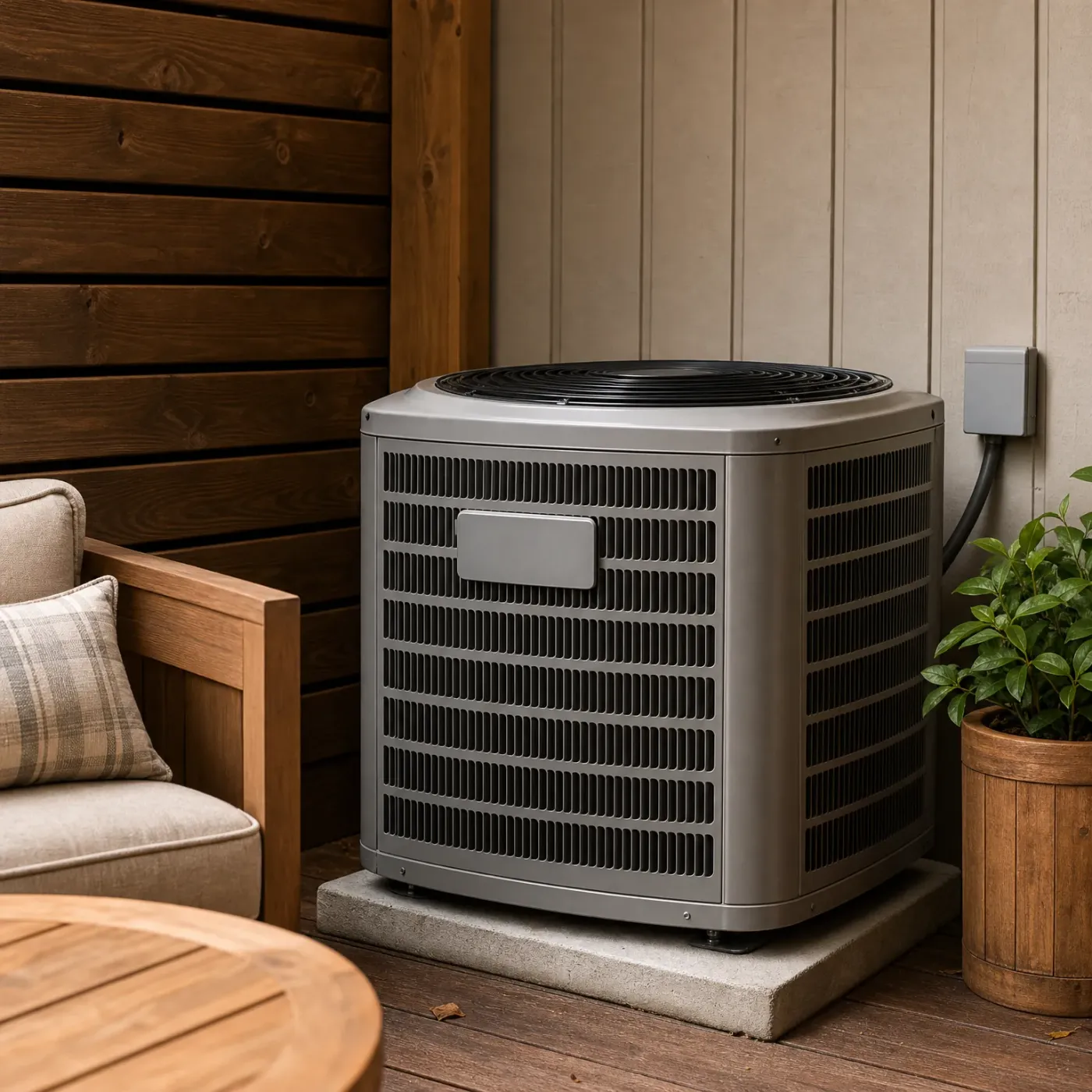
  • A gray outdoor air conditioner condenser unit on a concrete pad beside a wood-sided wall, with a horizontal wood slat fence, a cushioned patio chair, a wooden table, and a potted green plant nearby.
    • Only one pro gets your request, so you hear from one company.
    • Your request stays with one local pro.