 Find my pro
Why your dryer takes so long to dry in South Carolina
Describe your dryer vent job, and a local pro who handles it gets in touch.
A load that used to take forty minutes now runs through two or three cycles and still comes out damp at the seams. In South Carolina, with summers as muggy as they are, that's usually the first sign that air isn't moving through the vent the way it should.
A dryer doesn't just heat clothes. It pushes hot, wet air out through a vent to the outside, and the drum keeps spinning until that air actually leaves the house. When lint has built up along the way, the air moves slower, the moisture has nowhere to go, and the dryer keeps running past the point where it should have shut off.
Most homes here run electric dryers, and electric heating elements already work harder to push air through a blocked vent than a gas flame does. Power in South Carolina runs about what it does anywhere else, so a dryer running two extra cycles a week adds up the same way it would for anyone, load after load.
Finding someone to clear a vent means calling a few companies, explaining the layout of your laundry room more than once, and trying to figure out which quote actually covers the job and which one leaves out the hard parts, like a vent that runs through an attic or vents out through the roof instead of a wall. Most people don't have time to sort through that before next week's laundry piles up again.
This page connects you with a contractor who handles vent cleaning and knows what to look for in a vent that's been building up for a while. Once you answer a few questions about your dryer and where it vents, that contractor reaches out to you directly, and the back and forth of calling around is no longer something you have to do yourself.
A dryer that takes two or three cycles to finish is telling you the vent isn't clearing the air it should. Every load pushes out hot, wet air, and that air has to travel through the vent to the outside. When lint builds up along the way, less of that air gets out, so the drum fills with moisture the dryer can't clear in one cycle. The heating element keeps running longer to make up for it, which is why the cycle stretches and the clothes still come out damp or hot to the touch at the end. In South Carolina, where the air outside is already heavy with moisture much of the year, a vent that's even partly blocked has less margin to work with. The fix isn't a different setting or a new dryer. It's clearing what's built up inside the vent so air can move through it the way it was designed to.




Matched to your dryer vent job

Describe your dryer vent job once, to one pro.
Sending the form costs nothing.
What a clogged vent does to a cycle
A dryer senses heat, not dryness. When the vent is clogged, hot air has nowhere to go, so the drum keeps heating past the point where clothes are actually dry enough to trip the sensor. The cycle stretches on, and the air inside the drum gets heavier with moisture it can't release. In South Carolina's humidity, that trapped air has less room to pick up any more water from your clothes, so the last bit of dampness at the seams and waistbands just stays there. Running a second cycle doesn't fix the airflow problem. It just repeats it.
What builds up where you can't see
Lint doesn't stop at the trap. It passes through and collects along the inside of the vent, especially at bends and at the point where it exits the house. Over time that buildup narrows the path enough that air moves through in a trickle instead of a steady flow. You won't see this from the laundry room. The only signs are the ones you've already noticed: longer cycles, a drum that runs hotter than it used to, clothes that still feel damp when the cycle ends. Clearing that path is what cleaning a vent actually does.
Power costs 15.12 cents per kilowatt-hour statewide
Since most homes here heat with electricity, a dryer that runs two or three extra cycles shows up fast on the bill at 15.12 cents per kilowatt-hour. A clean vent gets your clothes dry in one cycle instead of three, so the dryer pulls that power far less often.
EIA-861 2025 statewide residential average
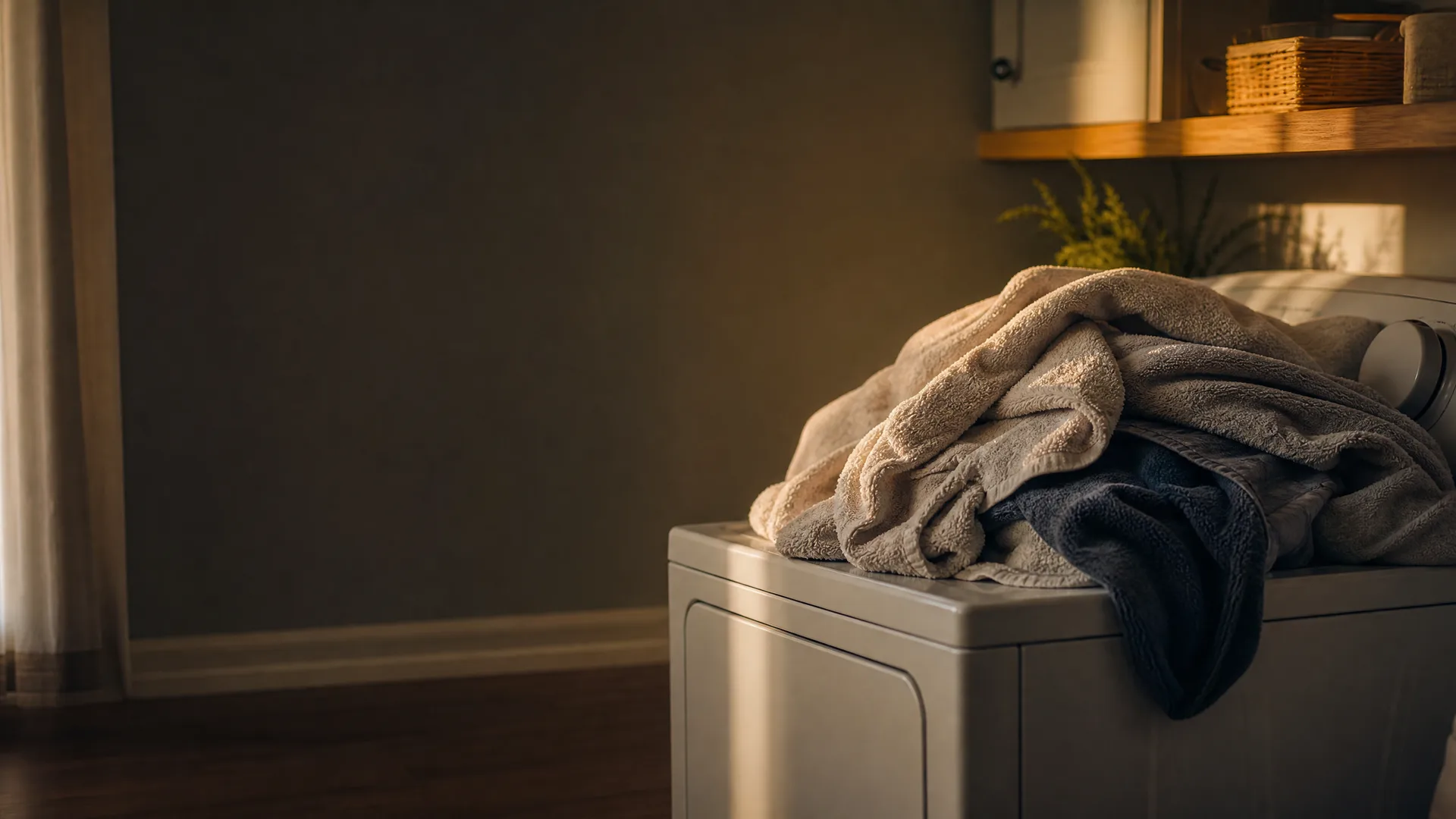
It's a little past eight on a Tuesday and you're still in the laundry room. The towels came out of the dryer warm but not dry, same as the last two times you ran them tonight. You pile them on top of the machine while you decide whether to run a third cycle or just hang them over the shower rod until morning. Outside it's thick and damp, the kind of South Carolina evening where the air barely feels different from the air in here. You press your palm against a towel from the middle of the heap. Still wet at the seams. The dryer ticks as it cools, and you stand there a second longer, not ready to start it again tonight.

A vent that drains clear fixes the cycle
A dryer that runs two or three cycles and still leaves clothes damp at the seams is showing you a vent that can't clear itself. That's the whole answer. Clean the vent and the hot air has somewhere to go, the sensor trips on time, and one cycle is enough again.
You don't have to track down who does this kind of work, call a few names, explain the same thing on the phone three times, then sit with quotes trying to figure out which one makes sense. Answer a few questions about your dryer and your vent, and a contractor who handles this in South Carolina will reach out to you directly. You go back to running one cycle instead of three.



Dryer Vent Cleaning
A dryer vent pro near you
Fill out one short form instead of calling around.
