Signs your dryer vent is clogged in South Carolina

Your dryer vent cleaning request goes to a local pro who does this work.

Find a dryer vent pro

A clogged dryer vent shows up first in the dryer itself. Clothes come out hot to the touch but still damp, even on a long cycle, and you find yourself running it twice for one load. The top of the dryer feels warmer than usual, and the laundry room starts smelling faintly burnt or just stale, like the air isn't moving. Outside, the vent hood barely puffs air when the dryer runs, and lint collects around the flap instead of blowing clear. With South Carolina summers already muggy, a blocked vent adds its own heat and moisture into the house, so the laundry room can feel damp long after the cycle ends. None of this means the dryer is failing. It means the air it needs to push out isn't getting out, and the lint built up along the duct is what's stopping it.

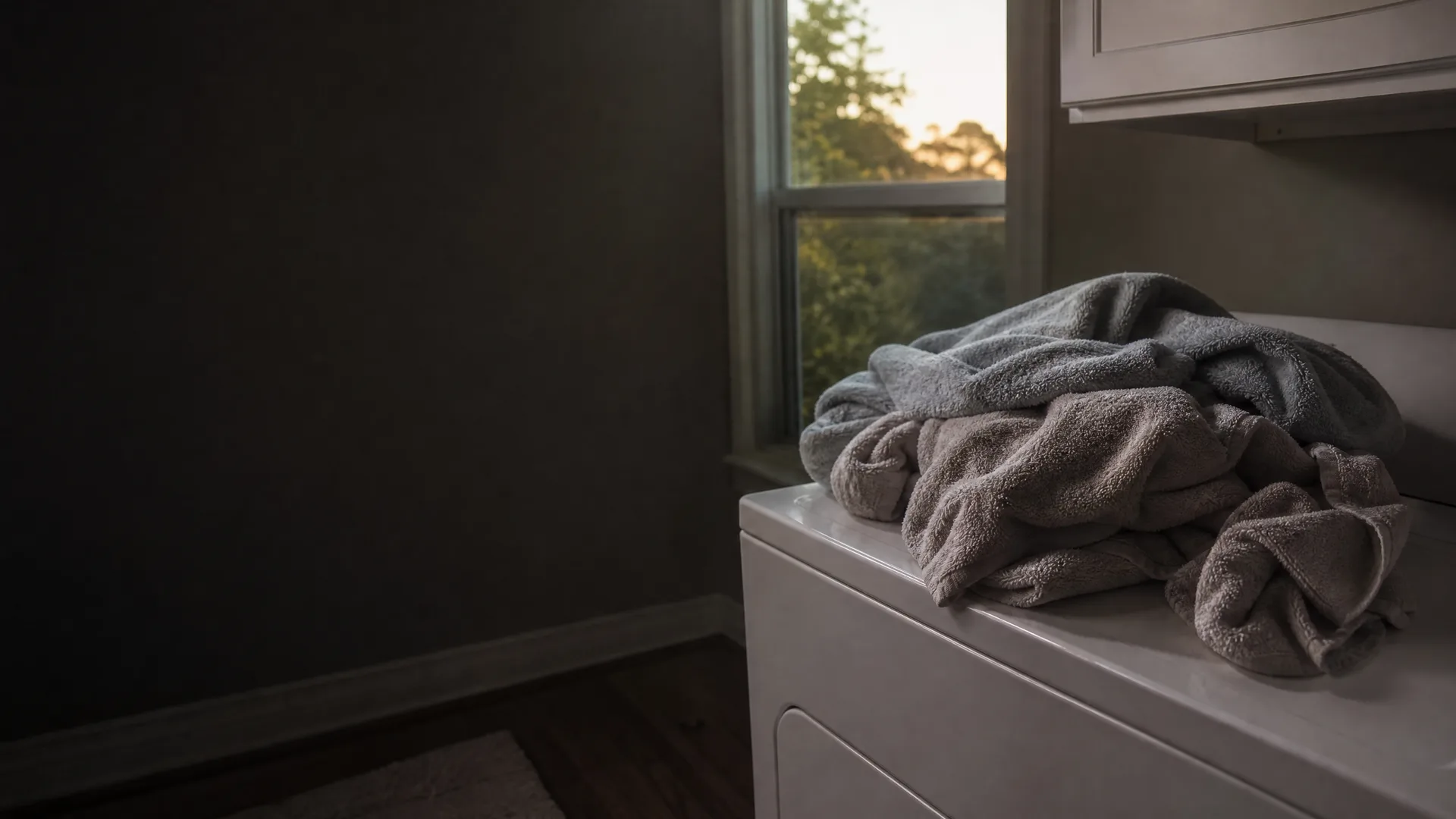
A pile of gray and taupe towels sits on top of a white laundry appliance in a dim room beside a window with trees and sunlight outside.

It's a little after seven on a Tuesday and you've run the towels twice already. You pull the door open and they're still damp, warm in a clammy way that isn't right. You pile them on top of the dryer while you figure out what to do next, and that's when you notice how thick the air feels in the room, thicker than it should even with how muggy it gets here in summer. The lint smell hangs instead of fading. You press a palm to the top panel and it's hot. Somewhere behind the wall, the vent that's supposed to carry all that heat and moisture outside isn't doing its job, and the towels on the dryer are proof of it.


Why is my dryer taking two cycles to dry a load?

You notice it in small ways first. The dryer runs a full cycle and the clothes come out hot but not dry, so you run it again. The outside vent hood barely moves when the dryer is on, or the flap stays shut when it used to flap open. Lint turns up where it shouldn't, on the floor behind the dryer or caked around the door seal, even though you clean the lint screen every time. The room itself runs warmer and more humid than the rest of the house, which stands out in South Carolina where the air outside is already thick for most of the year. Left alone, the lint packed into the vent is what a dryer fire needs to start.

A white hooded louvered vent mounted on beige horizontal lap siding above a stucco foundation wall bordered by river rock gravel.

The vent hood when air moves freely

Outside, the vent cover sits flush against the siding and opens on its own when the dryer runs. Walk past it during a cycle and you can feel warm air pushing out, and the flap swings with it. Nothing hangs around the opening.

A white plastic hooded dryer vent with a lint-covered screened opening mounted on beige horizontal vinyl siding above a concrete foundation.

The vent hood when lint has taken over

The flap barely lifts, if it moves at all, and the screen behind it shows dark, matted lint instead of open mesh. Air that should be pushing outside is backing up into the duct and the dryer instead, which is why the inside symptoms start.

Why does my laundry room smell hot or like burning lint?

You smell it before you think much of it, that warm, slightly burnt smell that settles in the laundry room while the dryer runs. It's not smoke, nothing's visibly wrong, but it's there every time you do a load now, and it lingers after the cycle ends. You've started leaving the door open to air the room out, which tells you something is off even if you can't see what.

That smell is lint heating up inside a vent that can't clear it out

A dryer pushes hot, damp air through the vent with every cycle, and some lint always rides along with it. When the vent is open the whole way, that lint keeps moving and exits outside with the air. When it's clogged, the air slows down and the lint settles against the walls of the duct instead of leaving. Each cycle adds more lint onto a vent already packed with it, and it sits right next to the heating element, which is what you're smelling. In a South Carolina summer, with the laundry room already warm and the air thick, that smell has nowhere to go and builds up faster than it would in a cooler, drier room.

  1. Lint builds up inside the vent pipe with every load.

  2. The narrowed pipe slows the air moving through it.

  3. Moist, heated air backs up into the dryer drum.

  4. The dryer runs longer trying to push air out.

A bearded man in a plaid flannel shirt sits indoors looking out a window at snow-covered trees, with a steaming mug on the sill and wooden kitchen shelves behind him.
A bearded man in a navy T-shirt sits on a light-colored couch indoors, smiling while looking down at a laptop screen in the foreground, with a framed picture and a potted plant blurred behind him.
A white hooded exterior vent cover with a screened opening mounted on beige lap siding above a concrete foundation and gravel strip.

Get the right pro for your dryer vent

Your dryer vent cleaning request goes to one local pro.

Describe your dryer vent job, and a local pro who handles it gets in touch.

Get one local pro

You're not committing to anything by asking.

A white hooded dryer vent cover mounted on beige horizontal vinyl siding above a concrete foundation wall with gravel at the base.
The vent cap sits flush against the siding with a clear round opening behind it, letting air pass straight through.
A square plastic dryer vent hood mounted on light-colored horizontal lap siding above a concrete foundation, with gray lint clogging its screened opening.
Lint has packed the hood solid, crowding out the mesh screen and leaving almost no room for air to escape.

Clean It Now or Keep Running It

Clean the vent now

  • A contractor clears the full run of pipe, not just the hood, so lint packed near elbows and joints comes out too.
  • The dryer goes back to drying a load in one cycle instead of two, which you'll notice the next time you do towels.
  • The laundry room stops smelling hot while the dryer runs, since air is moving through the vent again instead of backing up.
  • A licensed local contractor who works on vents all year knows where lint tends to pack in homes built like yours in South Carolina.
  • You deal with one contractor matched to your situation, not a handful of companies calling about the same job.

Let it ride

  • The dryer keeps running two cycles for one load, and electricity here isn't cheap enough to make that free.
  • Heat that should be venting outside keeps backing up toward the motor and blower instead.
  • Lint sitting damp in a muggy South Carolina summer doesn't clear itself out between loads.
  • The vent hood flap stays weighed down with lint and won't swing open the way it does when air is moving freely.
  • Whatever is causing the clog now still has to be cleared eventually, just with more lint packed in by then.
A white plastic dryer vent hood mounted on horizontal lap siding, clogged with gray lint at its lower opening, above a concrete foundation and walkway.
Before you get your dryer vent cleaning
A white plastic hooded dryer vent with a screened opening mounted on gray horizontal lap siding above a concrete foundation and gravel bed.
After you get your dryer vent cleaning

Power costs 15.12 cents per kilowatt-hour statewide

At 15.12 cents a kilowatt-hour, every extra cycle you run to get towels dry costs you twice for the same load. A clogged vent does not change the rate, it changes how many times you pay it, since the dryer draws power the whole time it is struggling to push air out.

EIA-861 2025 statewide residential average

A woman stands in the open front doorway of a single-story house with stone and wood siding while a man in a dark polo shirt and cap walks toward it along a concrete path.

A dryer that dries in one cycle again

You know the signs now. Damp towels after a full cycle, a hot laundry room, a vent hood that barely moves when you check it outside. Any one of those is worth paying attention to, and if you've noticed more than one, the vent is telling you something about its own condition.

Someone local who clears vents in South Carolina homes every week knows which runs clog fastest and why, and what to check beyond the hood itself. Once you request service, you're matched with one licensed contractor for your situation, not a handful of companies competing for your callback. They'll reach out to you directly to look at your setup and get your dryer back to drying a load the way it should.

A wooden table holding a stone vase with a bare branch, two stacked books and a small dark bowl, beside a window with green foliage outside and a sofa in the dim background.
A woman in a cream cowl-neck sweater stands in a lamp-lit room looking out a window at a snow-covered yard with shrubs and bare trees at dusk.
A woman in a gray turtleneck sweater stands near a large window in a lamp-lit living room, looking out at falling snow and snow-covered conifers.
A woman in a chunky knit sweater stands by a large window looking out at snow-covered ground, with a dimly lit living room containing a gray sofa, framed artwork, shelves and table lamps behind her.
A woman in a gray turtleneck sweater stands in a dimly lit living room with a lamp and bookshelves, looking out a multi-pane window at falling snow.

Dryer Vent Cleaning

A pro who works on dryer vents

Your request goes to one pro, not a list of companies.

A black-framed smartphone standing upright against a plain light gray background, its screen filled with solid green.
Duct and vent cleaningSouth Carolina
Step 1 of 3

What kind of equipment?