
Is duct cleaning worth it in Columbia, SC
Find a pro near meYou searched this because you want a straight answer, not a sales pitch. Duct cleaning is one of those services where the right call depends on your house, what's actually in your ducts, and whether your system here in Richland County has been running clean or straining through a muggy summer with something building up inside it. That's not something a general answer can settle. A local contractor who services ducts in Columbia and the surrounding area can look at yours and tell you plainly whether cleaning will help or whether your money is better spent elsewhere. Tell us a bit about your situation and you'll be matched with one licensed local contractor, not a handful of companies competing for your callback. Someone who works on duct systems in this area regularly knows what tends to collect in them here and what doesn't. They'll reach out to go over what they see in your home specifically. Use the button to get started.
For most homes in Columbia, duct cleaning is worth doing when there's a real reason for it: you can see dust kicking out of the vents, someone in the house has new or worsening allergies, or the system had work done that left debris behind. It's not something that needs to happen on a schedule. Richland County summers run long and humid, and a system that runs hard for months pulls a lot of air through those ducts, so dust and a little mold growth in a damp return line aren't unusual here. If the ducts are visibly dirty or you can smell something musty when the air kicks on, cleaning them solves a real problem. If the system is running fine and nobody's coughing, it's probably not doing much for you. The honest answer depends on what's actually in your ducts, not on how long it's been.
Does the age of your home mean your ducts need cleaning?
Half the homes here were built by 1989
Half the homes in Richland County were built in 1989 or earlier. An older duct system has had more years to collect dust, and more chances for someone to have worked on it.
Heat runs November through March
Heat runs November through March here, about five months a year. That's five months of air moving through the same ducts, carrying whatever is sitting inside them.
Cooling runs May through September
Cooling runs May through September, the other five months. Between the two, your ducts are moving air nearly year round, with barely a break to sit idle.
ACS 2020-2024 · NOAA nClimDiv 1991-2020
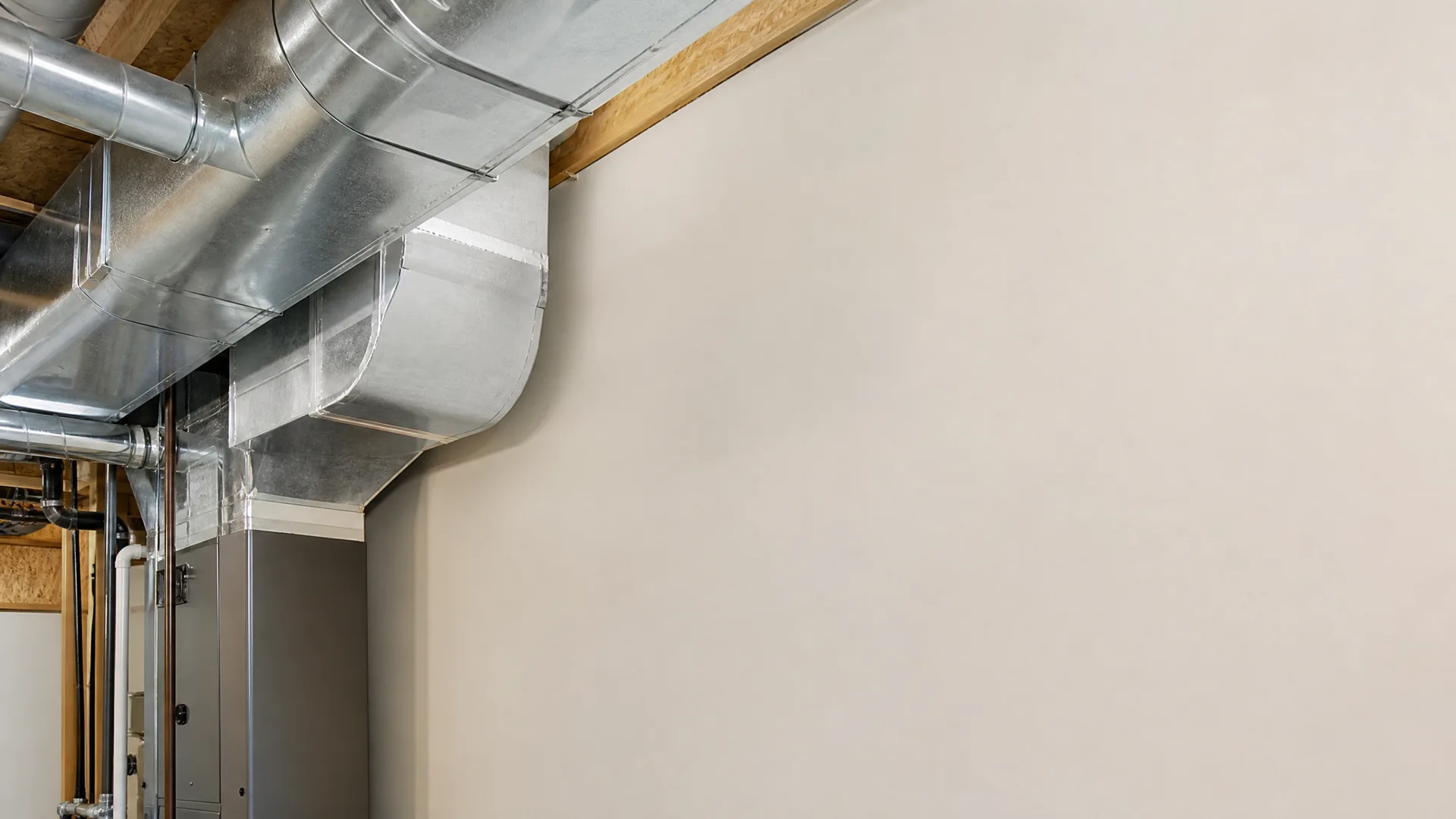
When cleaning makes sense
If your ducts have never been touched since the house was built, or since the last time someone had work done on the system, there's a reasonable case for having them looked at. Renovation work especially leaves drywall dust and debris inside the trunk lines that a filter never catches, because the filter only cleans the air passing through it, not what's already settled in the ducts themselves.
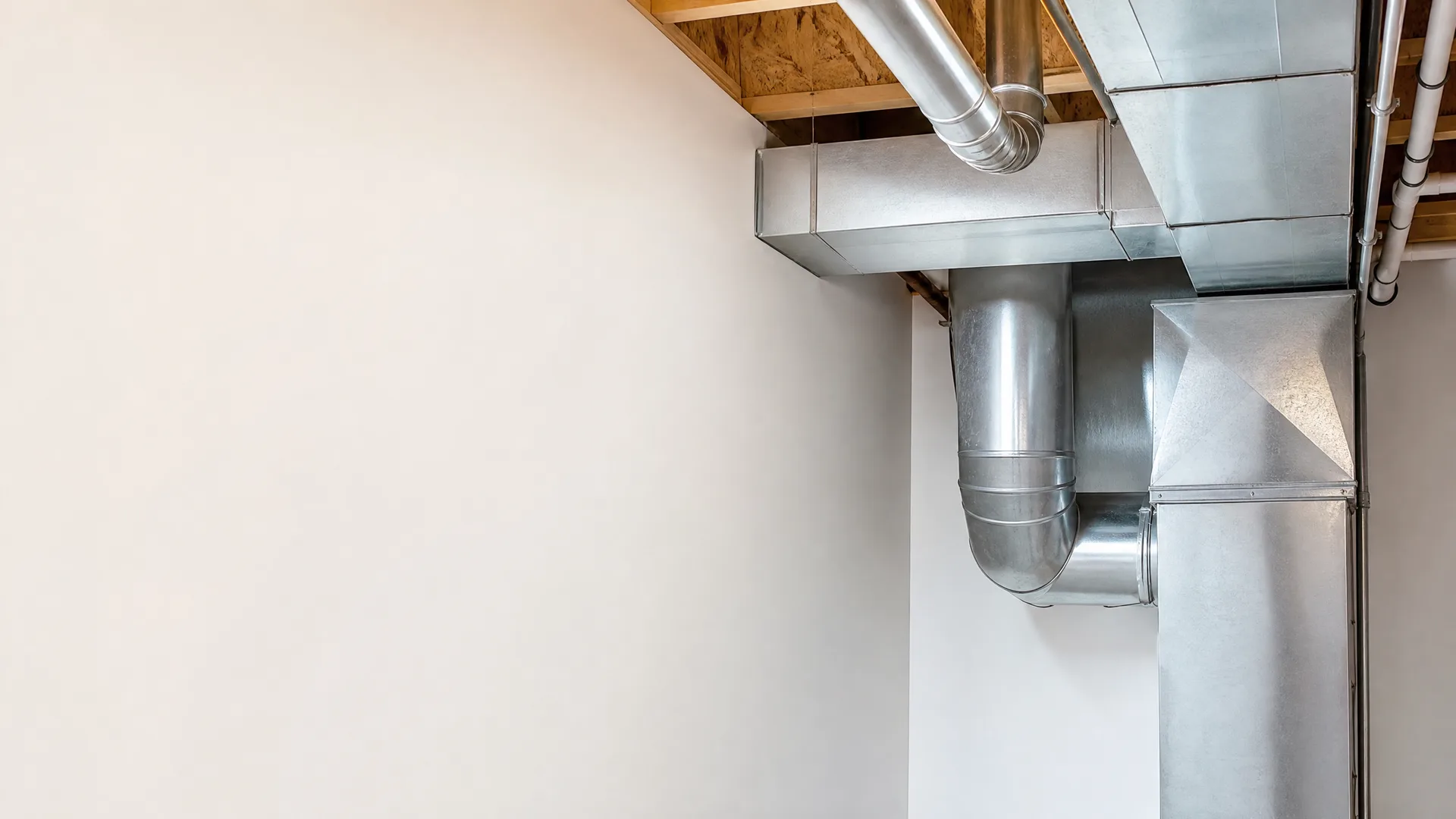
When it's not the answer
Dust in the house, a musty smell, or higher bills often come from somewhere else. A dirty filter, a leaky duct joint, or a coil that needs attention will cause the same complaints, and cleaning the ducts won't fix any of them. A local contractor can check the system itself before you spend money on cleaning that may not solve what's actually bothering you.
How does duct cleaning actually work?
You want to know what actually happens when someone cleans your ducts, not just whether you should do it. If a contractor is going to come through your house and work on the system that heats and cools it all year, it helps to know what the job really involves and how long the whole thing should take.
A technician hooks a vacuum to your system and brushes out every line
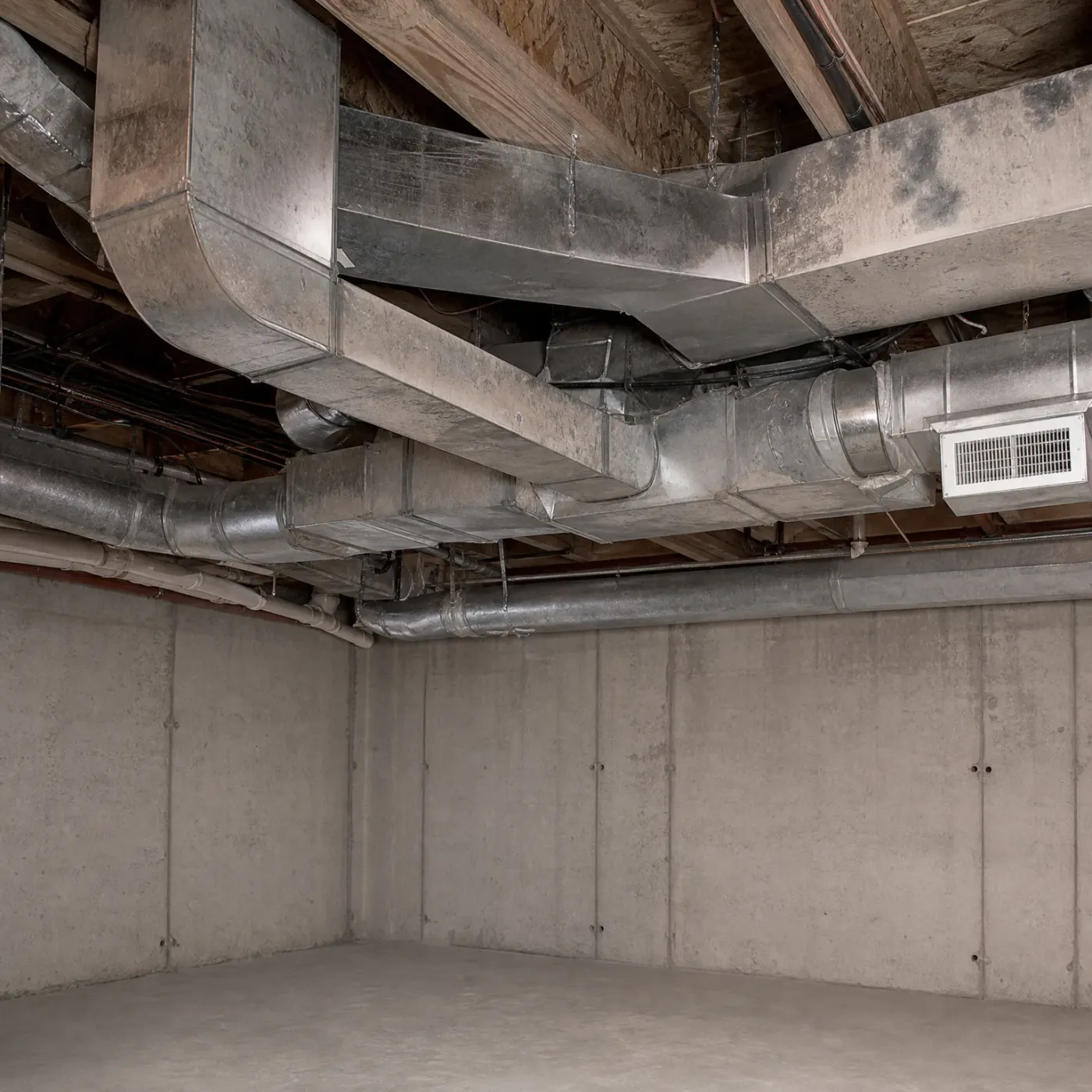
A contractor connects a large vacuum to your ductwork so the whole system is under negative pressure, then goes duct by duct with a brush or air whip to knock loose dust and debris stuck to the inside walls. That debris gets pulled into the vacuum instead of back into your living room. Each supply and return vent gets opened and cleaned, and the furnace or air handler blower compartment gets wiped down since that's where a lot of dust and sometimes mold collects. On a system that heats and cools your whole house, that means working through every room, not just the main trunk line. A contractor can also tell you if the coil or blower wheel needs attention while they're in there.





Get matched with a duct system pro in Richland County
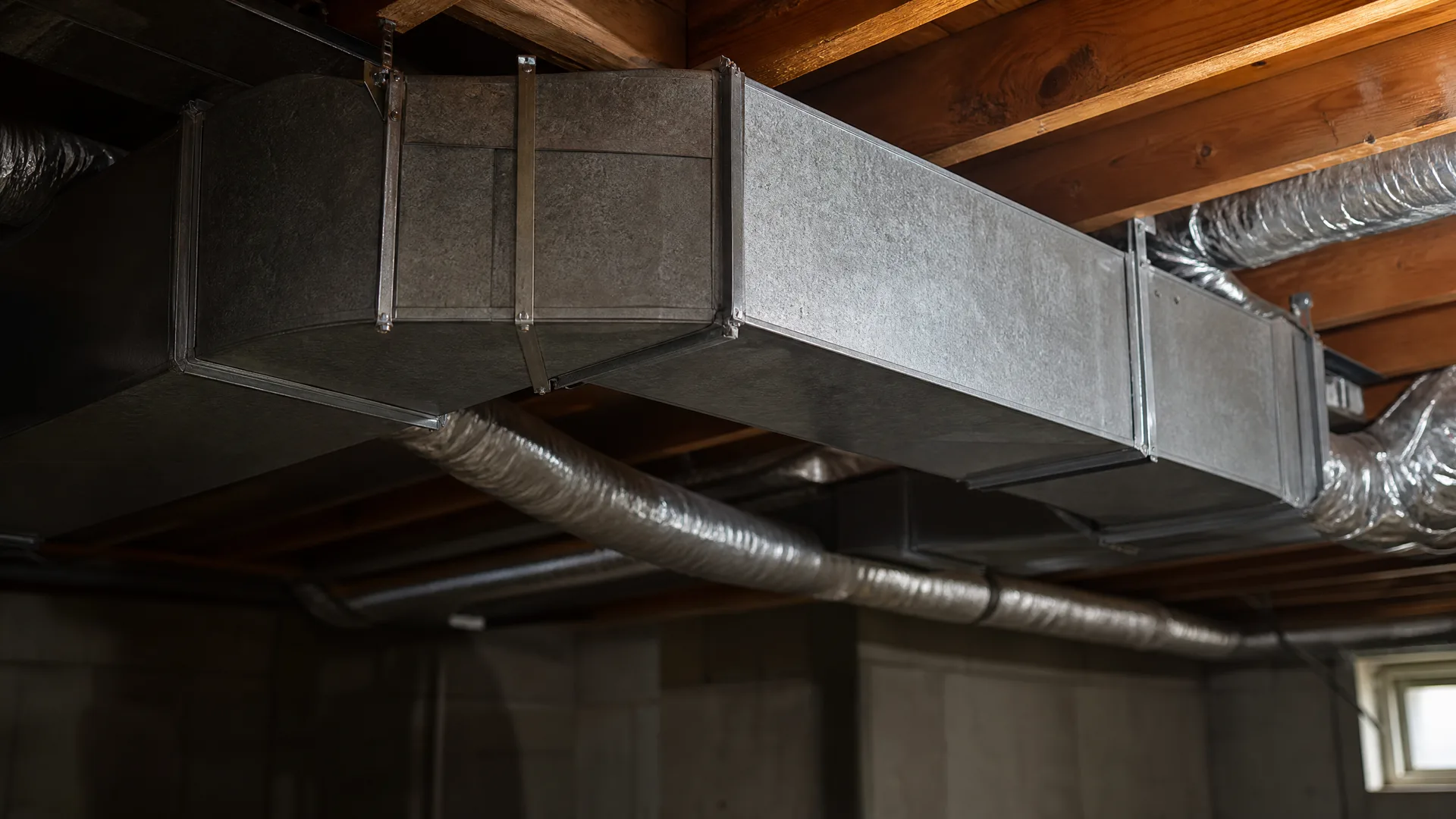
A contractor who cleans ducts in Richland County homes all year knows the difference between a system that's due for a look and one that just needs its filter changed. That matters here, where most homes run electric heat and AC close to year round, and a dirty or leaky duct run costs you on every bill until someone deals with it. You don't need five companies competing for the job to figure that out. One licensed local contractor can look at what you've actually got, flex duct crowded across the joists or a clean run tied straight to the furnace, and tell you honestly whether cleaning makes sense right now or whether your money is better spent elsewhere. If you've been going back and forth on whether this is worth doing in your house, the next step is getting someone who works on these systems every week to tell you straight.
Signs Your Ducts Are Due
- A film of dust across a windowsill or TV screen a day or two after you dusted points at the ducts, not the room.
- Vents that leave a gray ring on the wall or ceiling around them are pushing out more than just air.
- If your electric bill climbs while the thermostat setting hasn't changed, clogged or dirty ducts can be part of why the system runs longer.
- A musty smell when the AC first kicks on can mean moisture sitting somewhere in the duct run, not just the coil.
- Anyone in the house with allergies that flare worse indoors than outdoors is worth paying attention to before you rule cleaning out.
- A system that short-cycles or struggles to keep rooms even is a sign worth checking, even if dust was never the first thing you noticed.
You don't need to climb into the attic to get a read on your ducts. Most of what they're doing shows up somewhere else in the house first. Dust that resettles fast after you've cleaned, a gray shadow building up around a vent cover, a room that never quite matches the thermostat setting next to it. Each one points back to air moving through ductwork that's carrying more than it should.
Some of these show up slow. A film on the windowsill a day after dusting is easy to write off once. It's harder to ignore a few weeks running. Same with the electric bill. Richland County runs electric heat and AC most of the year, so a system working harder than it used to shows up fast on that bill, and dirty ducts are one of the things that can make a system run longer than it needs to.
Smell and health are the two that get noticed fastest. A musty smell when the AC first kicks on usually means moisture sitting somewhere it shouldn't, and that's worth a look regardless of what it's doing to your ducts. Allergies that get worse indoors than outdoors are the same kind of signal. None of these alone means you need your ducts cleaned. Together, or even two at once, they're worth having someone look at before you decide either way.
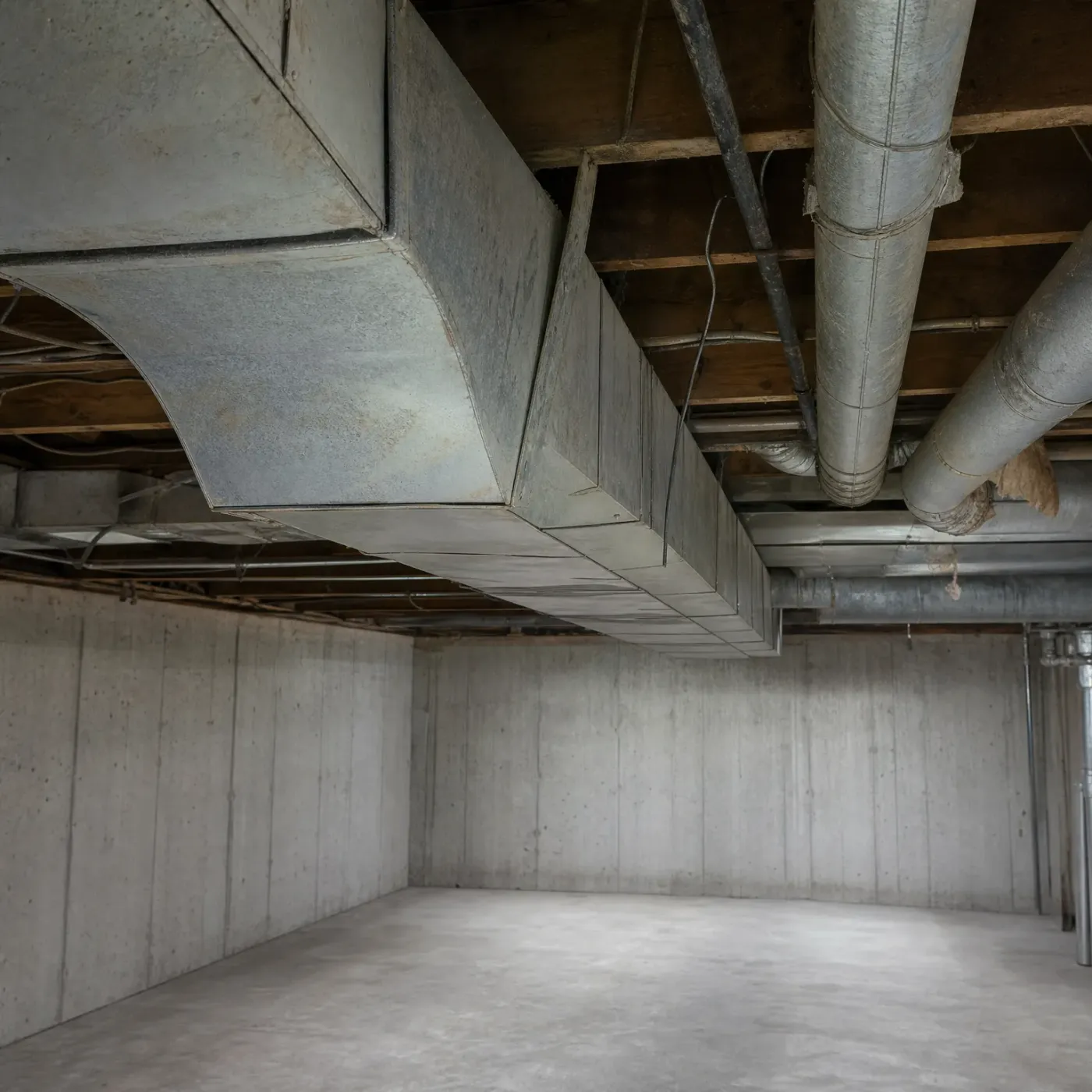

Is Duct Cleaning Worth It Now
Worth cleaning
- Dust keeps coming back on the same shelf or windowsill within a day or two of cleaning it.
- A renovation or duct repair left drywall dust or debris sitting in the system afterward.
- Someone in the house has allergies that flare up worse at home than anywhere else.
- You can see dust or debris blowing out of the vents when the system kicks on.
- The ductwork has never been cleaned since the house was built or since work was last done on it.
Not worth it yet
- The system runs clean, the filter gets changed on schedule, and nobody has flagged a problem.
- Nobody in the house has new or worsening allergy symptoms tied to being indoors.
- No recent renovation, duct repair, or system work that would have left debris behind.
- A quick look at the vents and registers shows no dust ring, no buildup, nothing unusual.
- The ducts were already cleaned or inspected within the last few years and nothing's changed since.
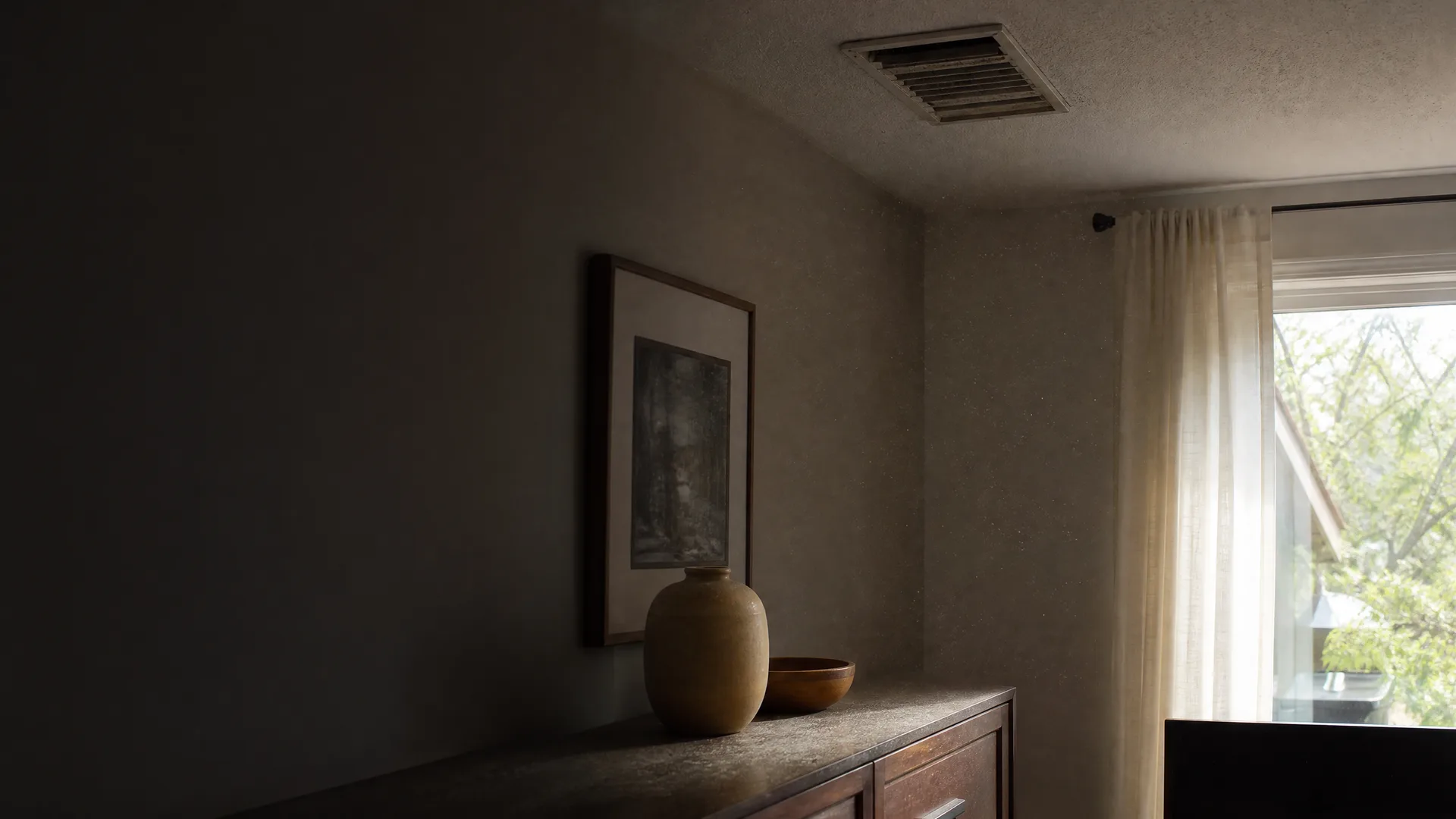
It's a Saturday morning in April, warm enough that you've got the windows cracked instead of the AC running. Sun's coming through the living room window, hitting the coffee table at an angle, and that's when you see it. The ceiling vent has a gray halo around the grille, and the dust on it is thick enough to see from across the room. You run a finger along the side table you wiped down Thursday. Already a film on it. You'll dust it again before anyone sits down, but it's going to look the same way by next weekend.
Power here costs 16.47 cents per kilowatt-hour
At 16.47 cents per kilowatt-hour, electric heat and AC already cost more here than in a lot of places. Ducts clogged with dust make the system push harder to move the same air, and that shows up on the bill before it shows up anywhere else.
EIA-861 2025



So is it worth it
The answer comes down to what's actually happening in your house. Dust that comes right back, a gray ring around the vent, allergies that got worse, work done on the system that left debris behind. If one of those is true for you, cleaning the ducts is worth doing. If none of them are, you can leave it alone for now.
What you can't tell from here is what's actually in your ducts or what your system needs, and that's a judgment call for someone who's looked at it in person. A local contractor who works on duct systems all over Richland County, in homes running the same electric heat and AC as yours, can tell you in a visit whether you've got a real problem or just a filter that needs changing. You'll be matched with one contractor who takes the time to look at your situation, not a handful of companies competing for the job.

Find a duct system cleaning pro in Richland County