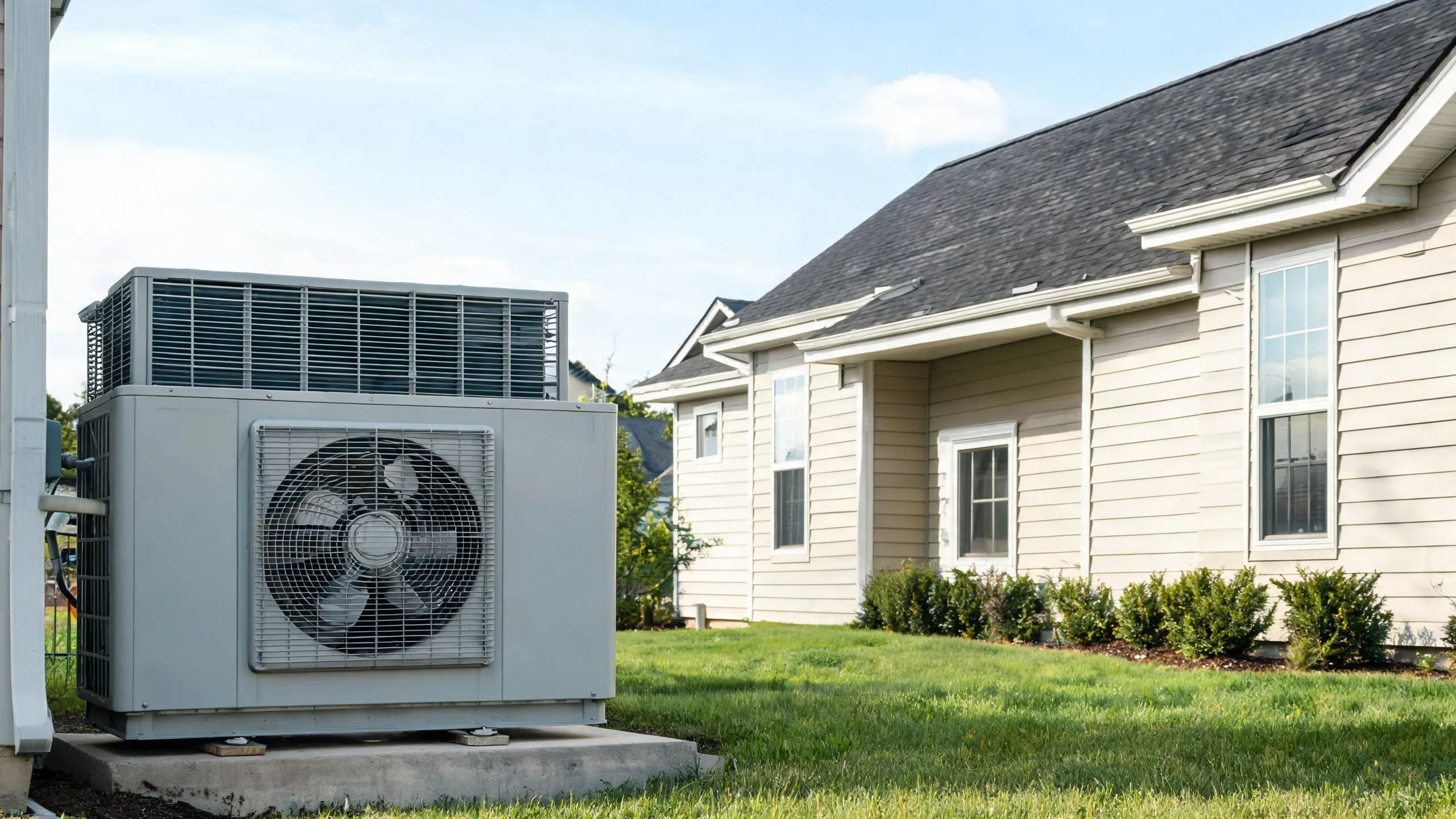
Heat Pump Repair in Summerville, SC
Homes here need heat from November through March and cooling from May through October. If your system quits, tell us what it's doing and a licensed contractor who covers Dorchester County will get in touch.
Tell us about the job
It takes about a minute.
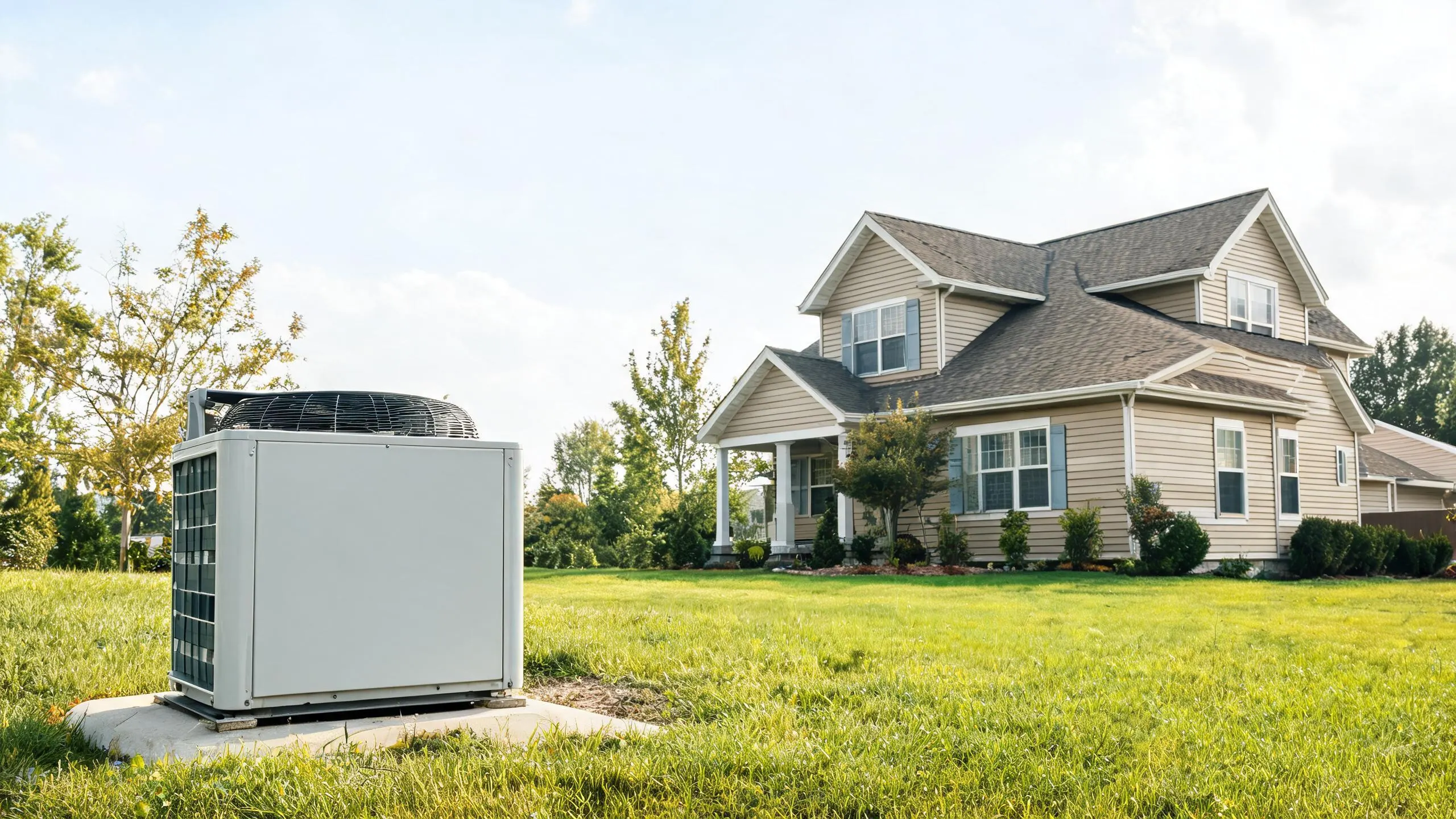
Your heat pump barely gets a break here
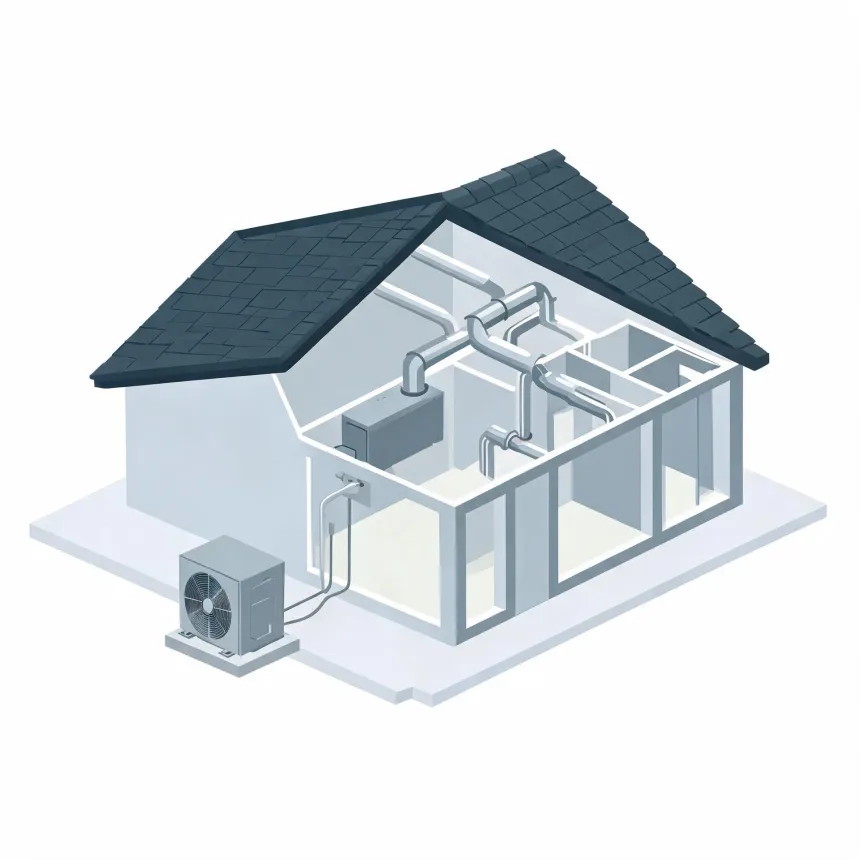
In Summerville your heat pump heats from November through March and cools from May through October. That's 11 months of work with almost no season off. On winter nights near 38°F it has to pull heat out of cold outside air, which asks more of the compressor and the reversing valve than mild weather does. On summer afternoons near 91°F it runs long cooling cycles, and that wears on the same compressor and on the capacitor that starts it.
The reversing valve is what switches the system between heat and cool, and with so little time off, it gets called on often. Dorchester County has seen 227 damaging wind events over the past ten years, and outdoor units sit exposed to that. If your heat pump won't switch between heat and cool, or it's running but not keeping up, these are the parts usually behind it.
- 5 months
- November through March, your system heats
- 6 months
- May through October, it cools
- 38°F
- the average winter night it heats against
- 91°F
- the average summer afternoon it cools against
NOAA nClimDiv, 1991–2020 normals
- Why is my heat pump blowing cold air?
- In heating mode, a heat pump moves warm air through the house at a lower temperature than a furnace would, so air from the vents can feel cool even when the system is working right. If the air feels cold rather than just cool, the problem is often the reversing valve stuck in the wrong position, so the system is running the cooling cycle instead of heating. Low refrigerant will cause the same complaint, along with a coil that ices up. A contractor can check the reversing valve and refrigerant charge to find which one it is.
- Why is there ice on my heat pump?
- Some frost on the outdoor unit during a cold snap is normal, and the system will run a defrost cycle to melt it off on its own. Ice that builds up thick or does not clear points to a problem, usually restricted airflow from a dirty filter or coil, or a refrigerant leak. Low refrigerant lets the coil run colder than it should, and ice forms faster than the defrost cycle can clear it. With winter lows here averaging 38°F, a unit already working with low refrigerant has less margin before ice becomes a real problem, so it is worth having a contractor check it rather than waiting.
- Why is my heat pump running but not cooling?
- If the outdoor unit is running but the house is not cooling, the most common causes are a dirty air filter blocking airflow, a frozen coil, or refrigerant that has leaked out. A clogged filter starves the system of air, and the coil can ice over as a result, which cuts cooling further even though the unit keeps running. Low refrigerant does the same thing without any airflow problem at all. With summer afternoons here reaching 91°F, a system that is not actually cooling will fall behind fast, so this is worth having a contractor look at soon rather than waiting it out.