
HVAC Installation in Summerville, SC
A new system here will heat from November through March and cool from May through October every year. Tell us about the house, and a licensed contractor who covers Dorchester County will get in touch.
Tell us about the job
It takes about a minute.

Eleven months of work for a system installed once
In Summerville, a new system runs almost year round. Cooling season stretches May through October, six months of afternoons that average 91°F. Heat takes over November through March, with winter nights averaging 38°F. Only a few weeks a year ask nothing of it at all.
Most homes here heat with electricity, so the unit installed has to carry that load through the whole cold stretch, not just take the edge off. And with wind events hitting this area hundreds of times over the past decade, the outdoor unit and its connections need to be installed to stay put and keep running when the power blinks or comes back on.
- 5 months
- November through March, your system heats
- 6 months
- May through October, it cools
- 38°F
- the average winter night it heats against
- 91°F
- the average summer afternoon it cools against
NOAA nClimDiv, 1991–2020 normals
- When should I replace my HVAC system?
- Replace it when repairs start piling up or the system struggles to keep the house comfortable no matter what a contractor does to it. Watch for rooms that never quite reach the set temperature, electric bills that climb each summer, or the same part failing more than once. Homes here need heat or cooling 11 months out of the year, so a system that is already worn does not get much of a break to recover. If yours needs a repair every season, replacing it before it fails completely is usually the better move.
- Should I replace my furnace and air conditioner at the same time?
- If both are old, yes, it usually makes sense to replace them together. A furnace and air conditioner installed at the same time are matched to work with each other, and pairing an old one with a new one can mean the old part limits how well the new one performs. If one unit is much newer than the other, a contractor can tell you whether it is worth keeping for now. Winter lows here average 38°F and summer highs reach 91°F, so both systems get real work most of the year, and neither one is just a spare.
- What happens during an HVAC installation?
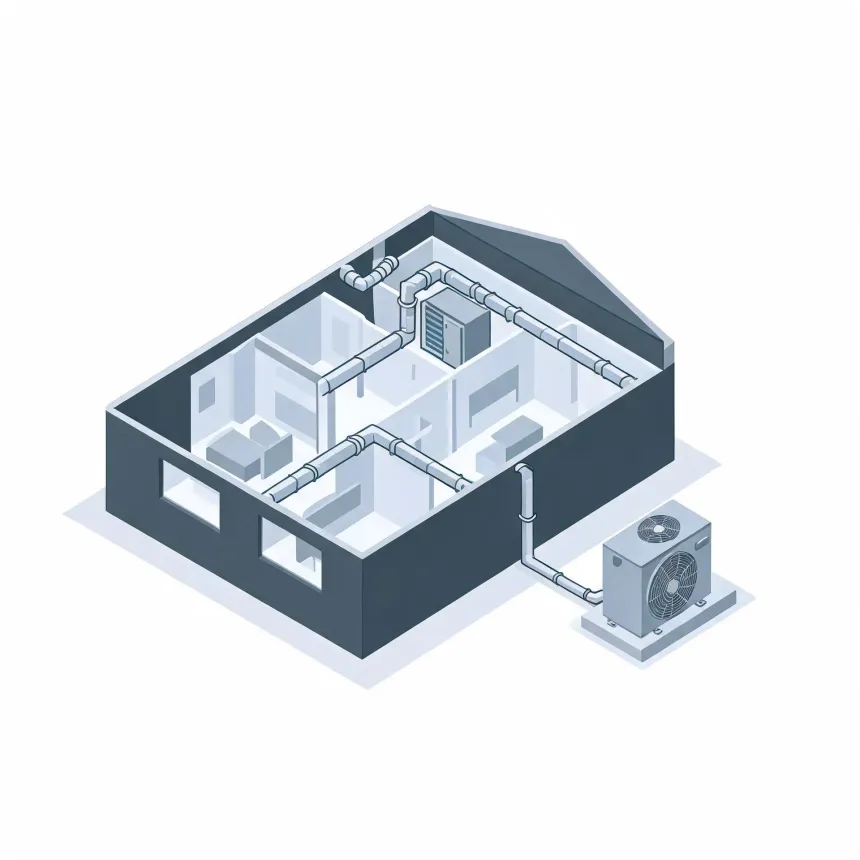
- A contractor removes the old equipment, sets the new furnace or air handler and outdoor unit in place, and connects them to your ductwork, electrical, and in some cases gas line. They check the ductwork for leaks or sizing problems, since even a new system will not perform right if the ducts cannot move enough air. Once everything is connected, they test the system, check refrigerant levels and airflow, and walk you through the thermostat and any settings. The exact steps depend on your home and the equipment going in, so a contractor can walk you through what your installation will involve.