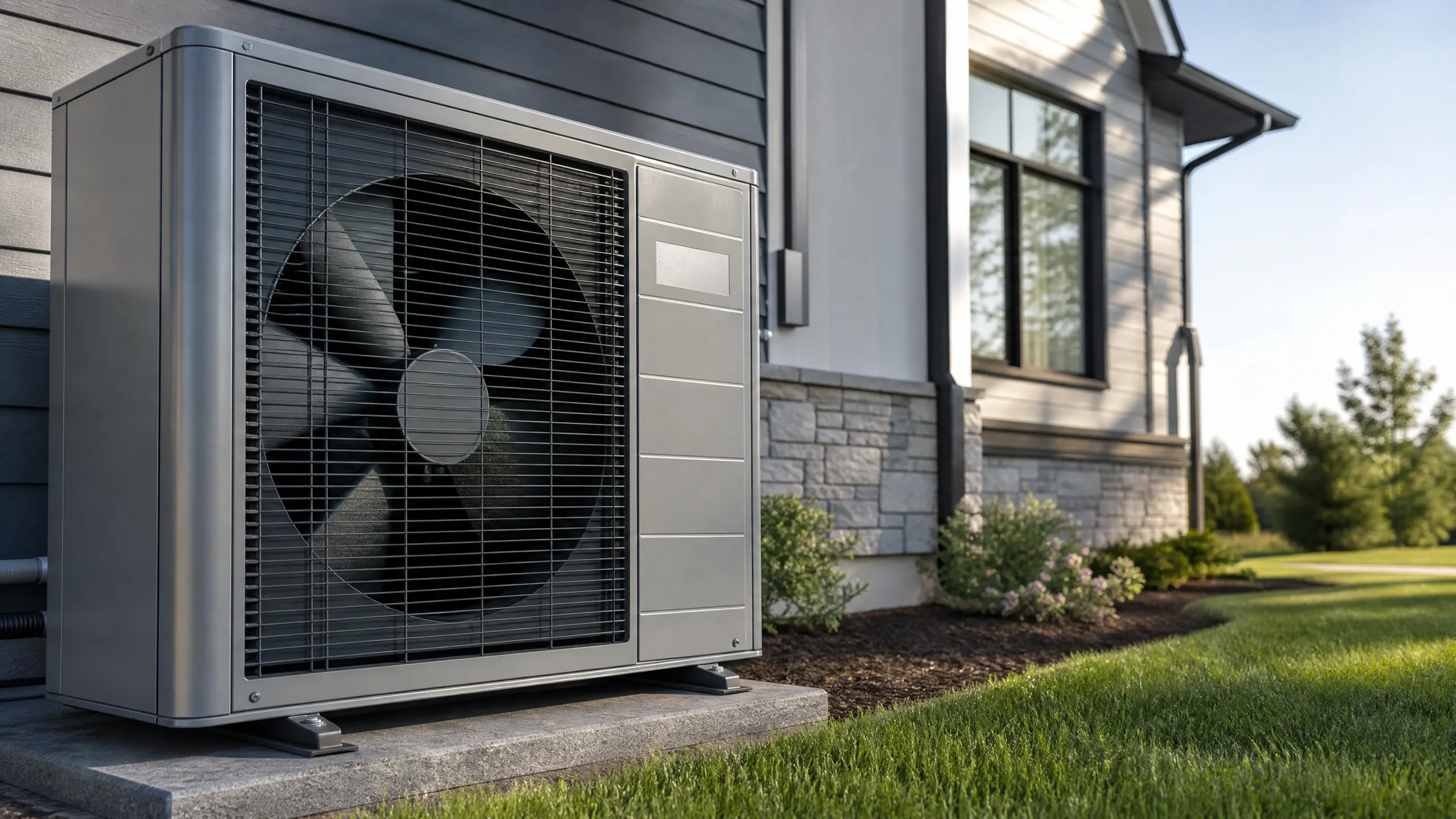
Heat Pump Installation in Charleston, SC
A new system here will heat from November through March and cool from May through October every year. Tell us about the house, and a licensed contractor who covers Charleston County will get in touch.
Tell us about the job
It takes about a minute.
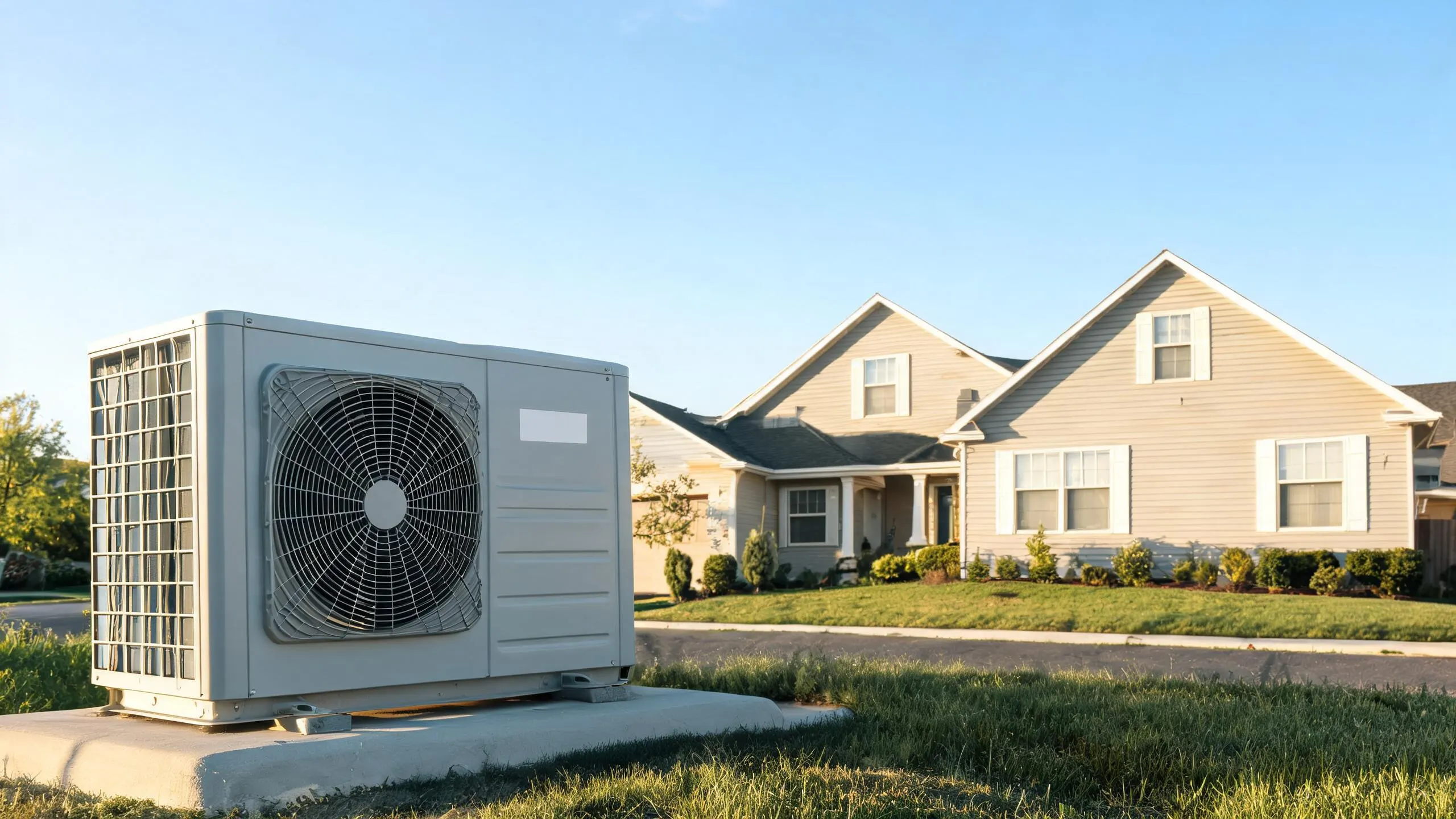
Charleston asks a heat pump to run almost all year
Your heat pump works eleven months here, cooling from May through October and heating from November through March. Summer afternoons average 89°F, so the compressor carries six months of steady cooling. Winter is milder, with nights averaging 41°F, but that's still five months where the system has to keep up.
Any split system installed now has to meet 14.3 SEER2 for cooling and 7.5 HSPF2 for heating, the federal minimum since 2023. Most homes here heat with electricity, and Charleston County sees frequent high wind events. When the power goes out, so does the heat pump, so it's worth asking your contractor what backup the system has for the next one.
- 5 months
- November through March, your system heats
- 6 months
- May through October, it cools
- 41°F
- the average winter night it heats against
- 89°F
- the average summer afternoon it cools against
NOAA nClimDiv, 1991–2020 normals
- Is a heat pump better than a furnace?
- A heat pump does something a furnace can't, it cools your home in summer and heats it in winter with one system. Charleston homes need cooling six months a year and heat five, so one machine covering both is worth something here. A furnace only burns fuel to make heat, so you'd still need a separate air conditioner alongside it. Winter lows here average 41°F, mild enough that a heat pump can carry the heating load on its own without backup heat doing most of the work.
- What's the difference between a heat pump and an air conditioner?
- An air conditioner only cools. A heat pump does the same job in summer, moving heat out of your home, but it can also run in reverse and move heat into your home in winter. The parts inside are nearly the same, the difference is a valve that lets the heat pump switch direction. With cooling needed here from May through October and heat from November through March, a heat pump covers both seasons where a straight air conditioner only covers one.
- Does a heat pump work in cold weather?
- Yes, and Charleston winters are mild enough that it isn't a close call. A heat pump pulls heat from outside air even when that air feels cold, it just has to work harder as the temperature drops. Winter nights here average 41°F, well within the range where a heat pump heats a home efficiently on its own. Heat pumps struggle when nights sit well below freezing for long stretches, and that isn't the pattern here.