AC Repair in Charleston, SC
Air conditioners here run from May through October. If yours quits, tell us what it's doing and a licensed contractor who covers Charleston County will get in touch.
Tell us about the job
It takes about a minute.

Six months of heat wears on your AC every year
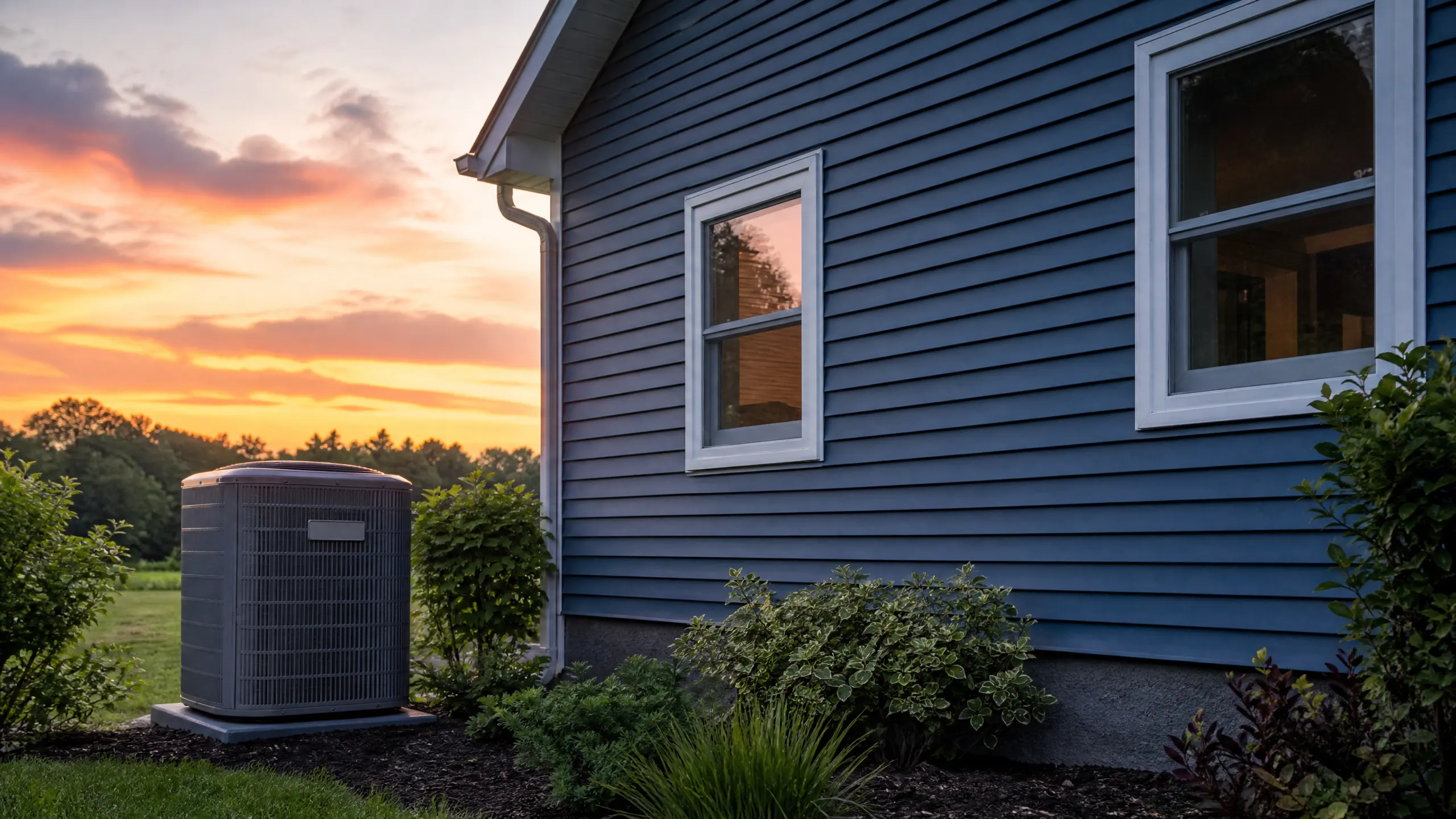
Your air conditioner runs from May through October in Charleston County, six months of the year. On afternoons that average 89°F, the compressor and condenser fan barely get a break. That kind of steady run time wears on the capacitor and the contactor, the parts that get the compressor started and keep it running. When one of those gives out, the outdoor unit goes quiet and the air stops getting cold.
The weather here does more than heat the air. Charleston County has seen 61 hail events and 304 damaging wind events over the past ten years, with hail up to 1.75 inches. Hail that size can dent the thin fins on the condenser coil, and wind can knock loose the electrical connections or debris into the unit. If your AC stopped working after a storm, that outdoor unit is the first place to check.
- 6 months
- May through October, your air conditioner is on duty
- 89°F
- the average summer afternoon it cools against
- 61 hail events
- in ten years, and hail bends the fins on outdoor coils
- 304 wind events
- in ten years, and wind drives debris into outdoor units
NOAA nClimDiv, 1991–2020 normals

A new air conditioner would cut about $70 a year off cooling for a typical Charleston County home.
Estimates for a typical Charleston County home, compared with an older unit built to the previous federal minimum, from EIA household energy data, South Carolina fuel prices and NOAA climate normals. Your home will differ.
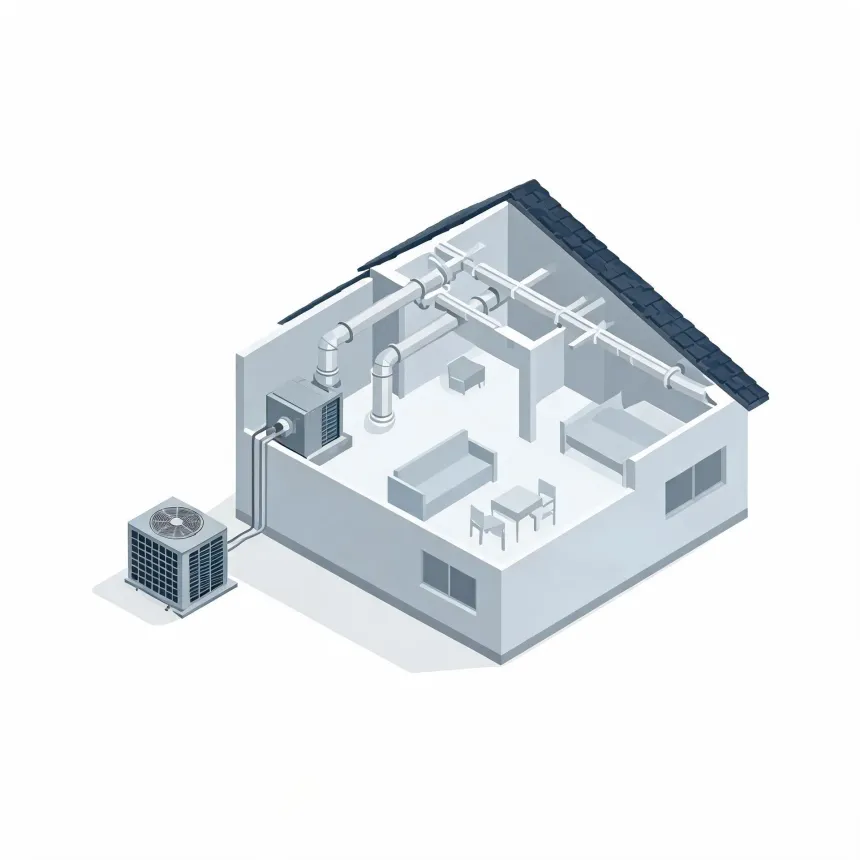
Repair makes sense when a part like a capacitor or contactor has failed.
Replacement makes sense when the compressor has failed or the system uses R-22 refrigerant, which is no longer made.
- Why is my AC not blowing cold air?
- Most of the time it is a dirty air filter choking off airflow, or the outdoor unit is low on refrigerant from a leak. Check the filter first, since a clogged one is the easiest thing to rule out. If it is clean and the air is still warm, a contractor will need to check refrigerant levels and the coil.
- Why is my AC leaking water?
- Water around your unit usually means the condensate drain line is clogged, or the coil has frozen and is now thawing. A clogged drain line backs up and the water has nowhere to go but out. A frozen coil points to restricted airflow or low refrigerant instead. Either way, a contractor needs to find where the water is actually coming from before clearing or repairing anything.
- Why won't my AC turn on?
- Start with the thermostat and the breaker. A dead thermostat battery or a tripped breaker will stop the system cold with no other symptoms. If those check out, the capacitor that starts the compressor and fan motor may have failed. Charleston has seen 304 damaging wind events and 61 hail events over the last ten years, so if the outside unit sat through recent weather, it is worth having a contractor check it for storm damage too.