Electric heat, year-round air flow
Most homes here heat with electric systems, so the blower moves air across those same ducts all winter too. Any dust sitting in the lines gets pushed through every season, not just in summer.
Dust that keeps coming back is usually your ducts recirculating it, not dirty air coming in from outside. Every time your system heats or cools, it pulls air through the return and pushes it back out through the supply vents. If there's dust, pet hair or old insulation sitting in that ductwork, it rides along with the air into every room. Summers here are muggy enough that systems run long hours to keep up, so that air moves through the ducts over and over, picking up more each pass. Electric heat in winter keeps the system running too, just differently. A clogged filter makes it worse, since air starts finding its way around the filter instead of through it, carrying whatever it picks up straight into your living room. If you're wiping down the same surfaces every few days, the dust is probably coming from inside your own duct system, not from the windows or the door.


Most of this traces back to the ducts themselves, not something leaking in from outside. Air gets pulled through a filter before it reaches the blower, and if that filter fits loose or is too thin, dust rides right through it into the system. In an attic or crawlspace, duct joints that have come apart or loosened over the years pull in insulation fibers and dust along with the air, and all of that gets mixed in and pushed back out through your vents. Heat pumps make this worse in a way that's easy to miss, since the blower often runs on low speed nearly all day instead of cycling on and off, moving more air through the ducts than you'd expect. Flex duct that sags or gets crushed somewhere along its run holds dust in those low spots and sheds it back into the air over time. Even where vents are aimed matters. One pointed straight at a couch or a rug will settle dust there faster than one blowing across open floor. And dust that's already built up on the inside of the duct walls keeps recirculating no matter how often you clean the rooms.




Most homes here heat with electric systems, so the blower moves air across those same ducts all winter too. Any dust sitting in the lines gets pushed through every season, not just in summer.
A local contractor who services ducts in South Carolina homes all season handles the cleaning start to finish, instead of you calling around and explaining the same problem to several companies.
You run a cloth over the furniture and by the next evening there's a film on it again. Vents leave gray marks on the wall or ceiling above them. The air feels heavier by the end of the day, and anyone in the house with allergies or asthma notices it first, more sneezing, more coughing, eyes that itch after sitting in a room for a while. You might see dust collecting faster around the return vent than anywhere else, or notice it settling on surfaces within hours of dusting. None of that is about how often you clean. It's what's moving through the ducts every time the system runs, and in a house that heats and cools as much as yours does, that's most of the year.
Dust and debris settle inside the duct runs over time
Air pulled through the return drags loose material off the walls
The blower pushes that dust back out through every supply vent
A vacuum and brush system pulls the debris out through access points


Your request goes to one pro, not a list of companies.
Answer a few questions about the duct cleaning and skip the search.
You only hire the pro if you want to.
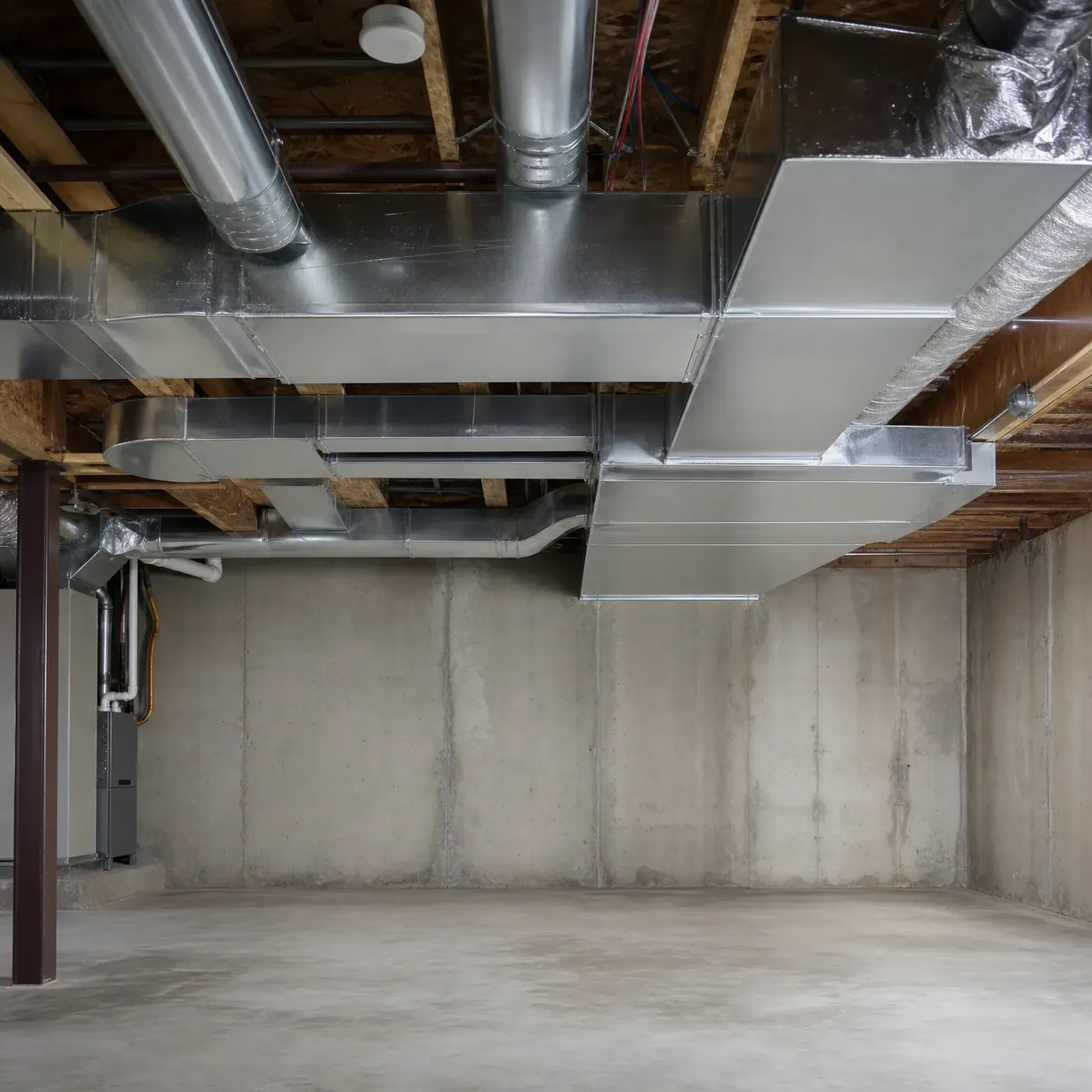
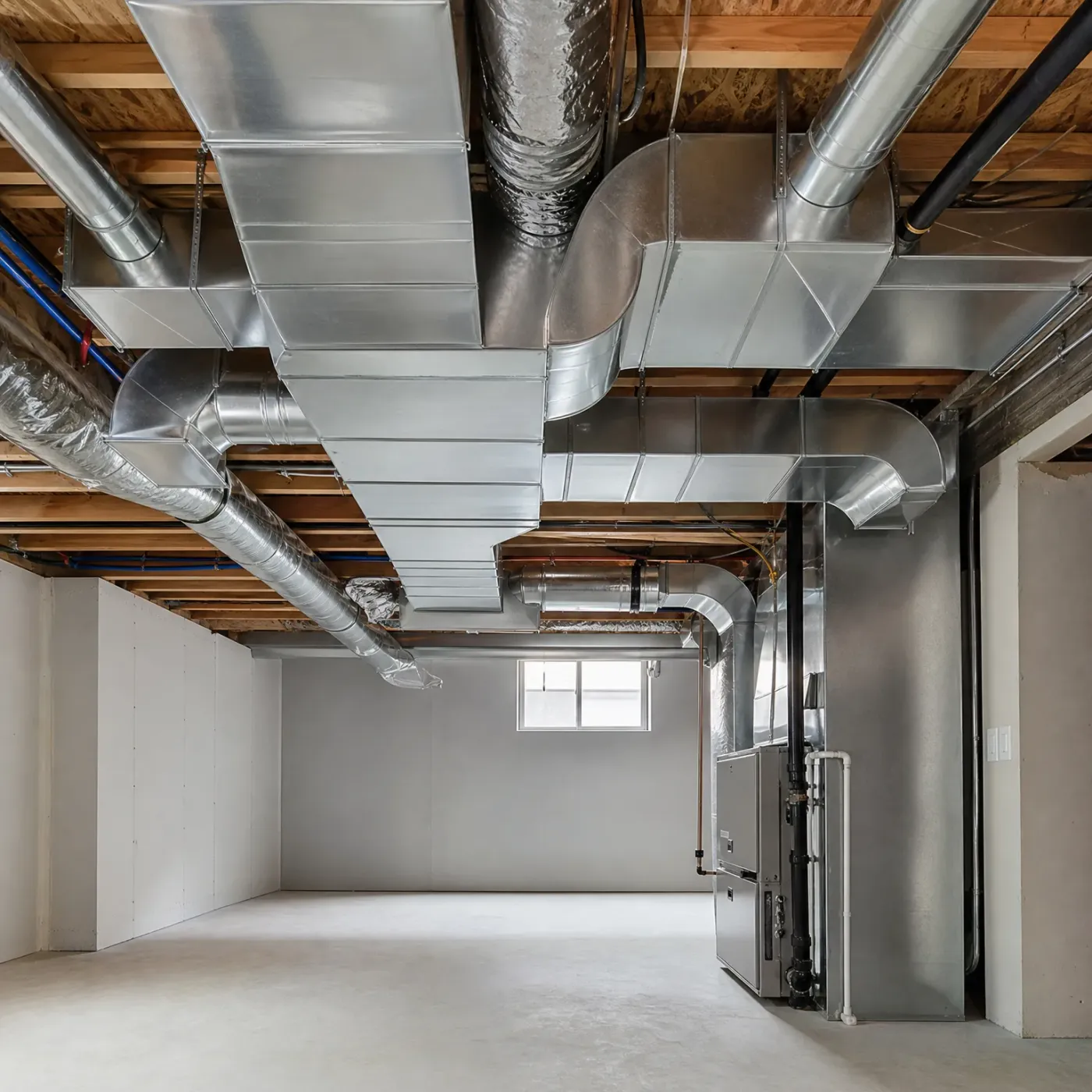
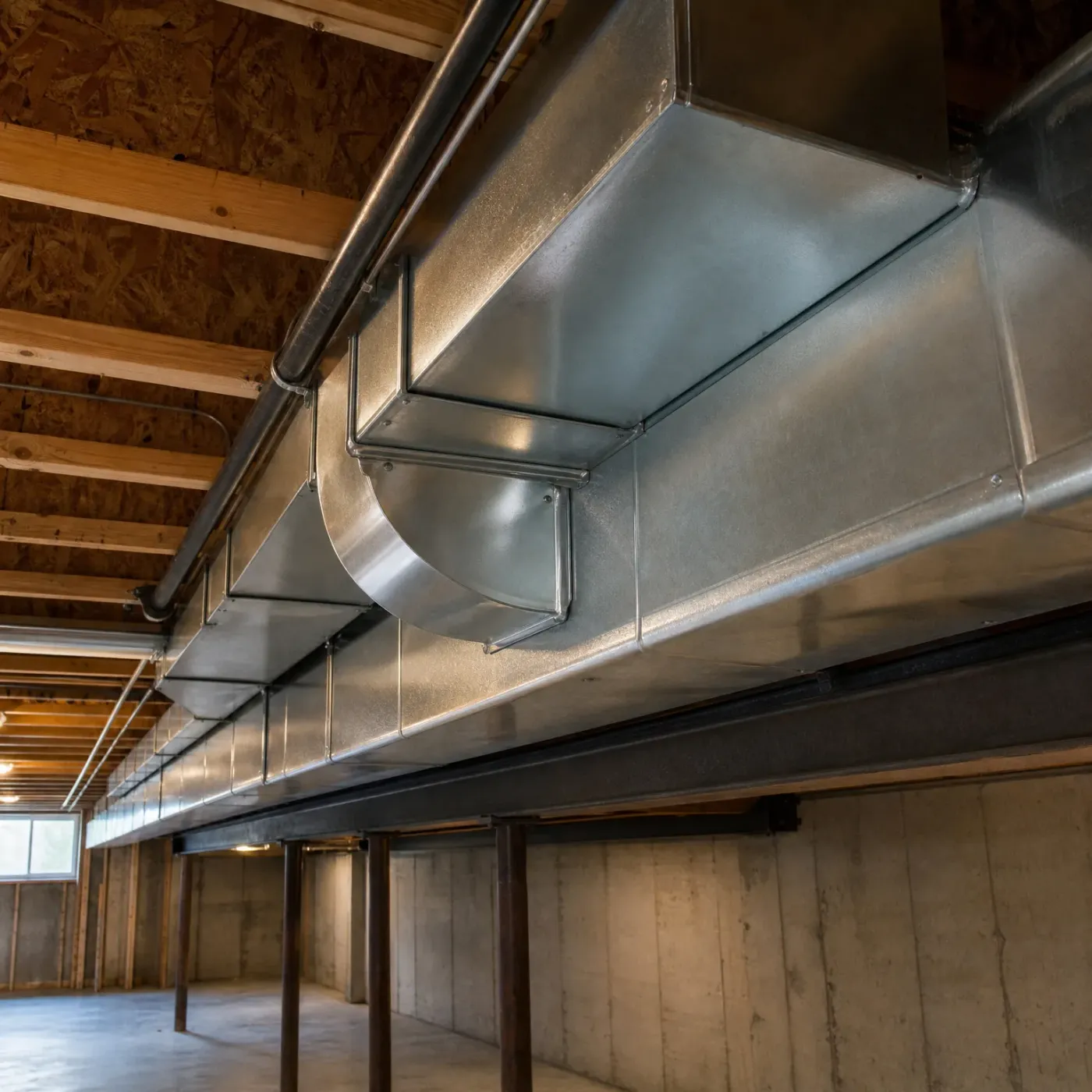
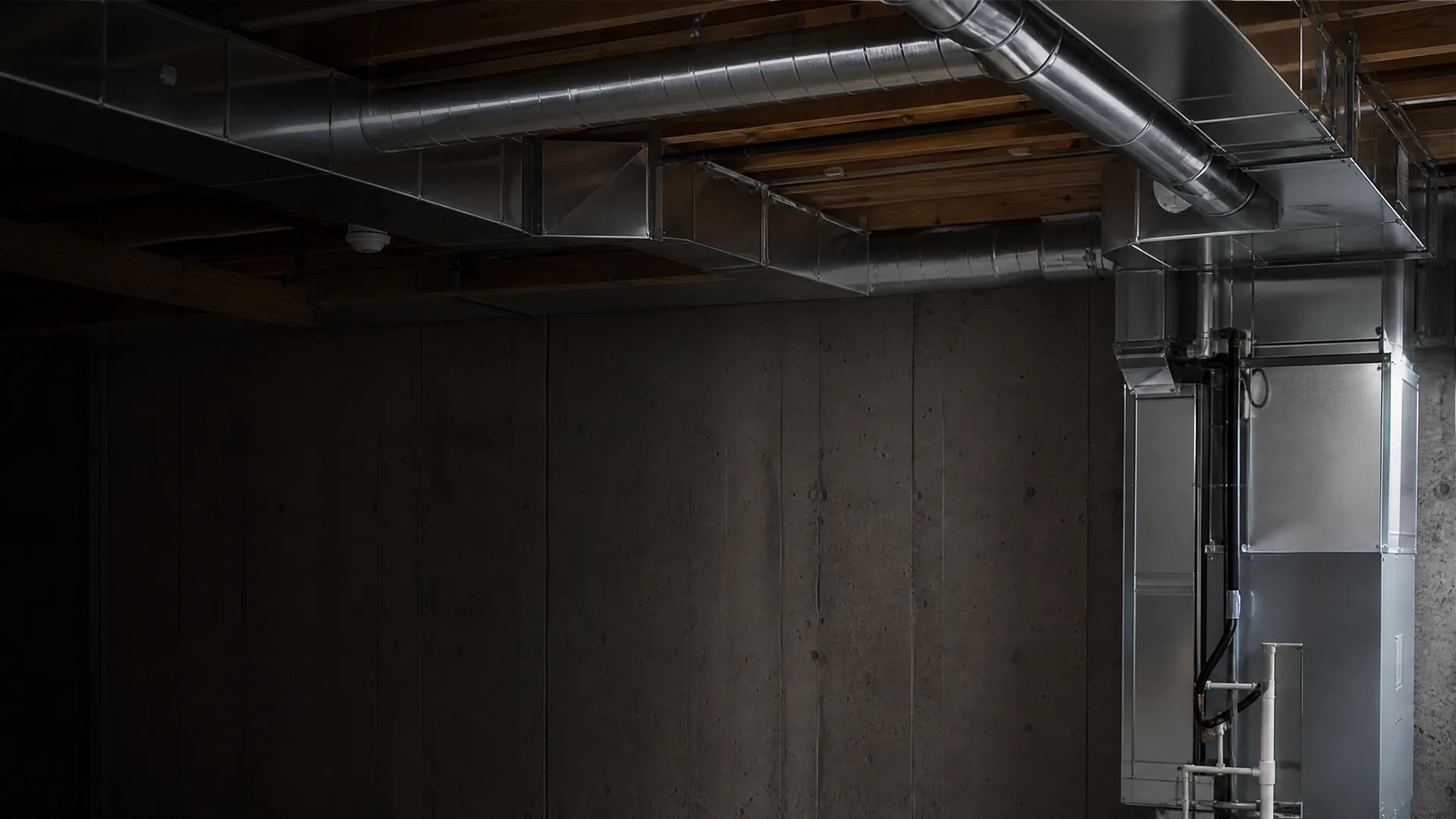
This is what a duct run looks like when it's doing its job. Air moves through tight metal joints from the return to the furnace and back out the supply side, and the dust in the basement stays in the basement instead of riding along with it.
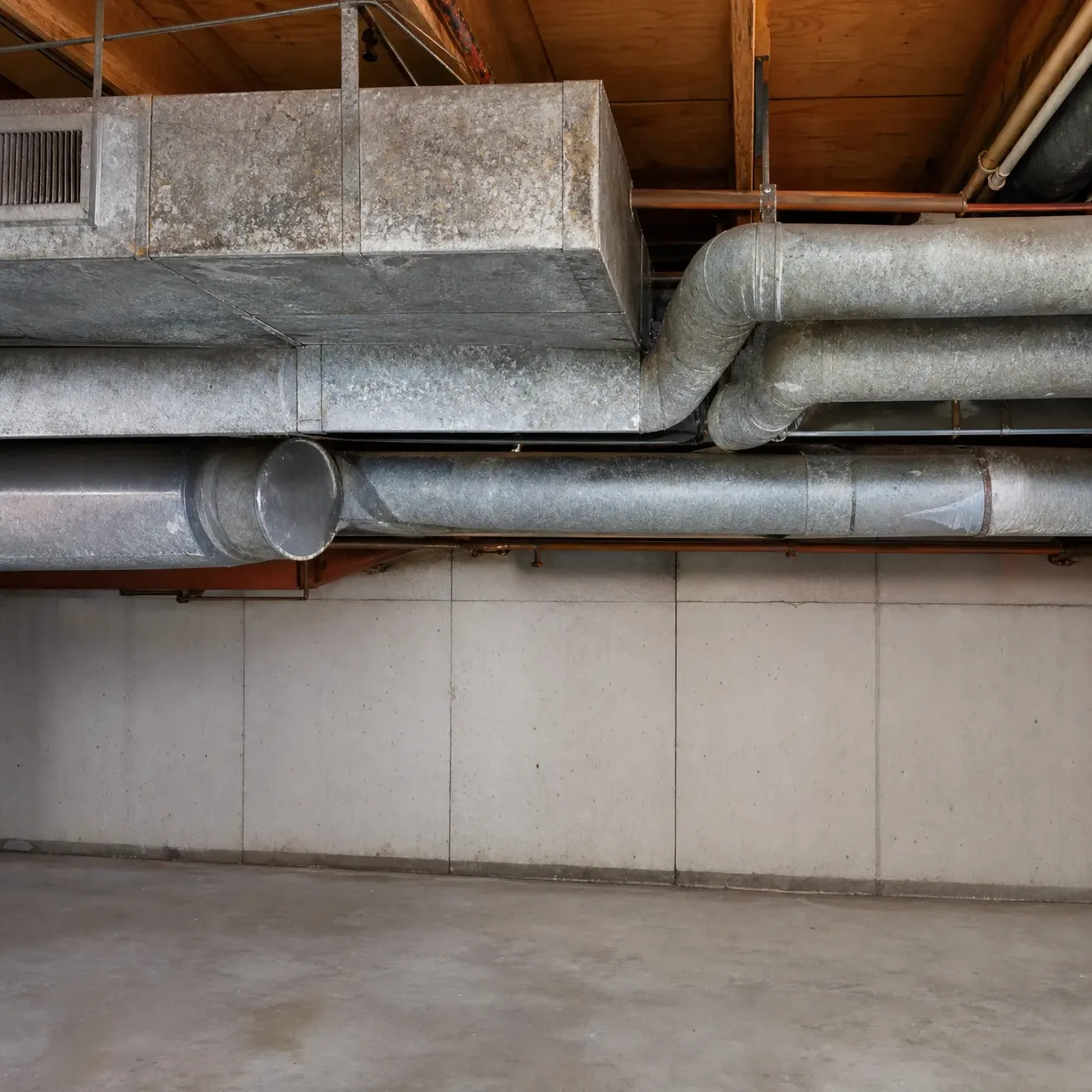
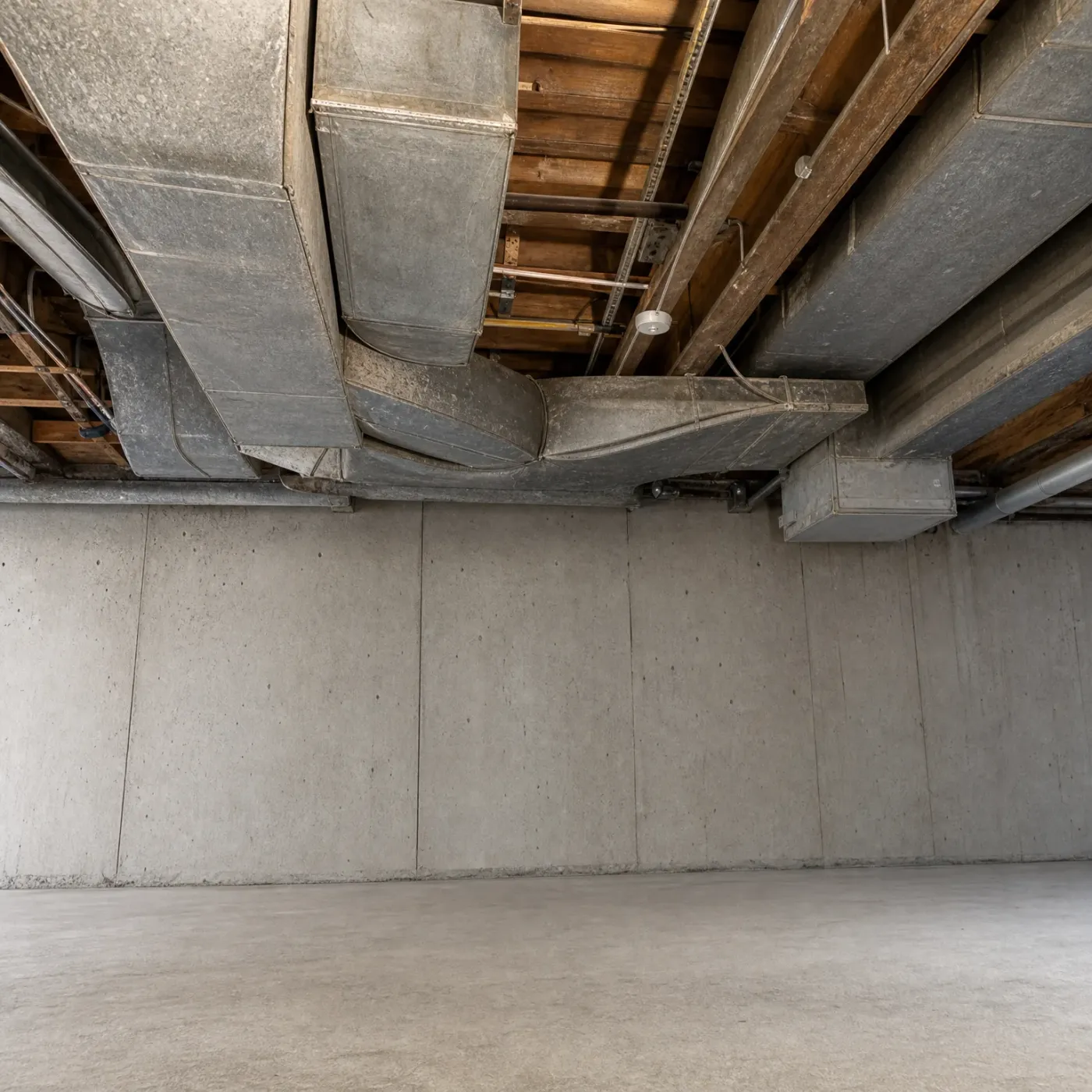
Here the joints sit exposed between open floor joists and block walls, with plenty of loose fiber and dust nearby to get pulled in. Once that material is inside the line, your blower has no way to tell it apart from the air it's supposed to be moving.
Power in South Carolina runs about 15 cents a kilowatt-hour, close to the norm nationally. That matters here because your blower runs on electric heat all winter, not just on the AC in summer, so a clogged duct run costs you in airflow and dust for most of the year, not just a few months of it.
EIA-861 2025 statewide residential average
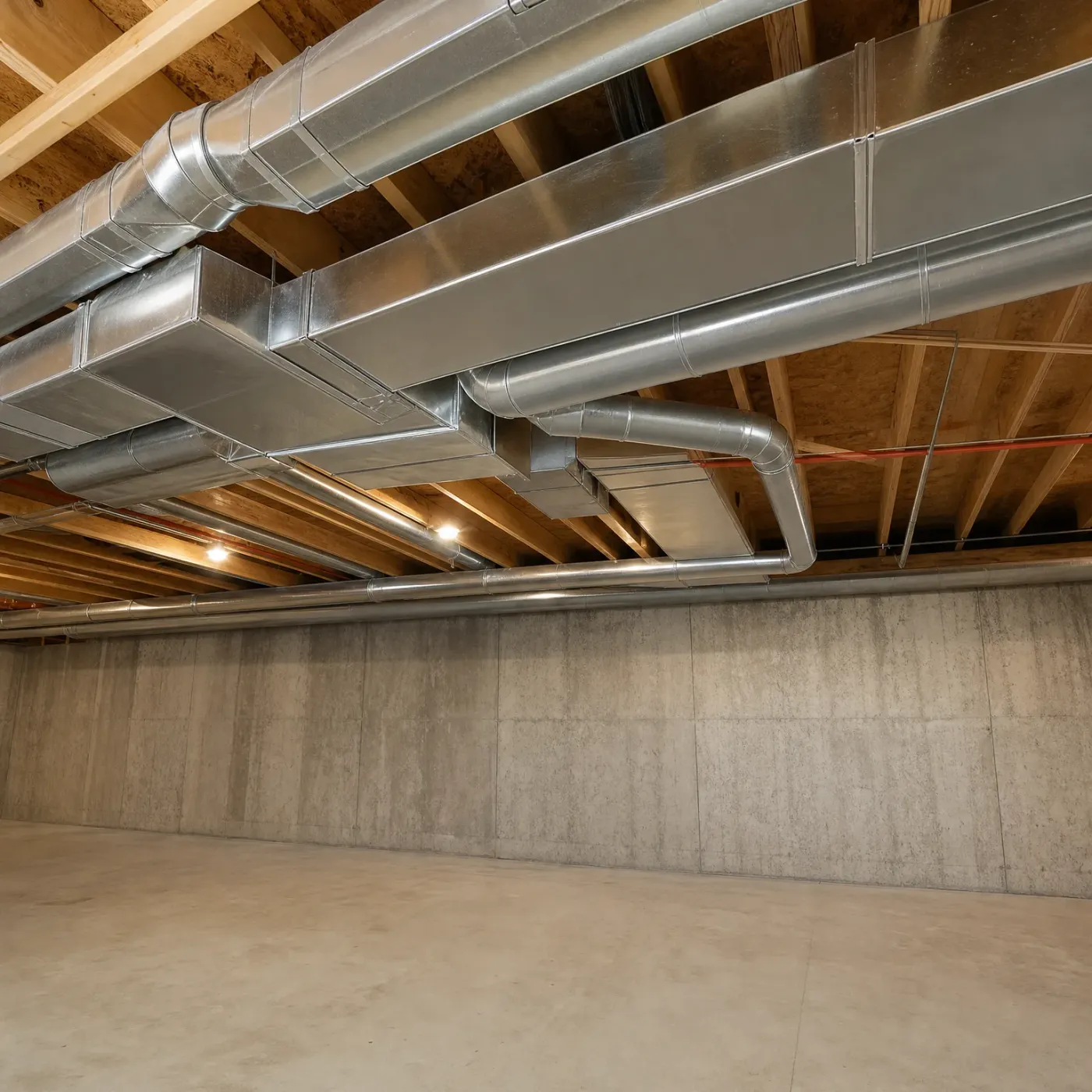
Round and rectangular metal runs like these sit tight at every joint, so air travels from the return to the furnace and back out the supply side without picking up anything along the way. The joists and foundation wall stay bare. Nothing in the basement rides along with the air into your rooms.
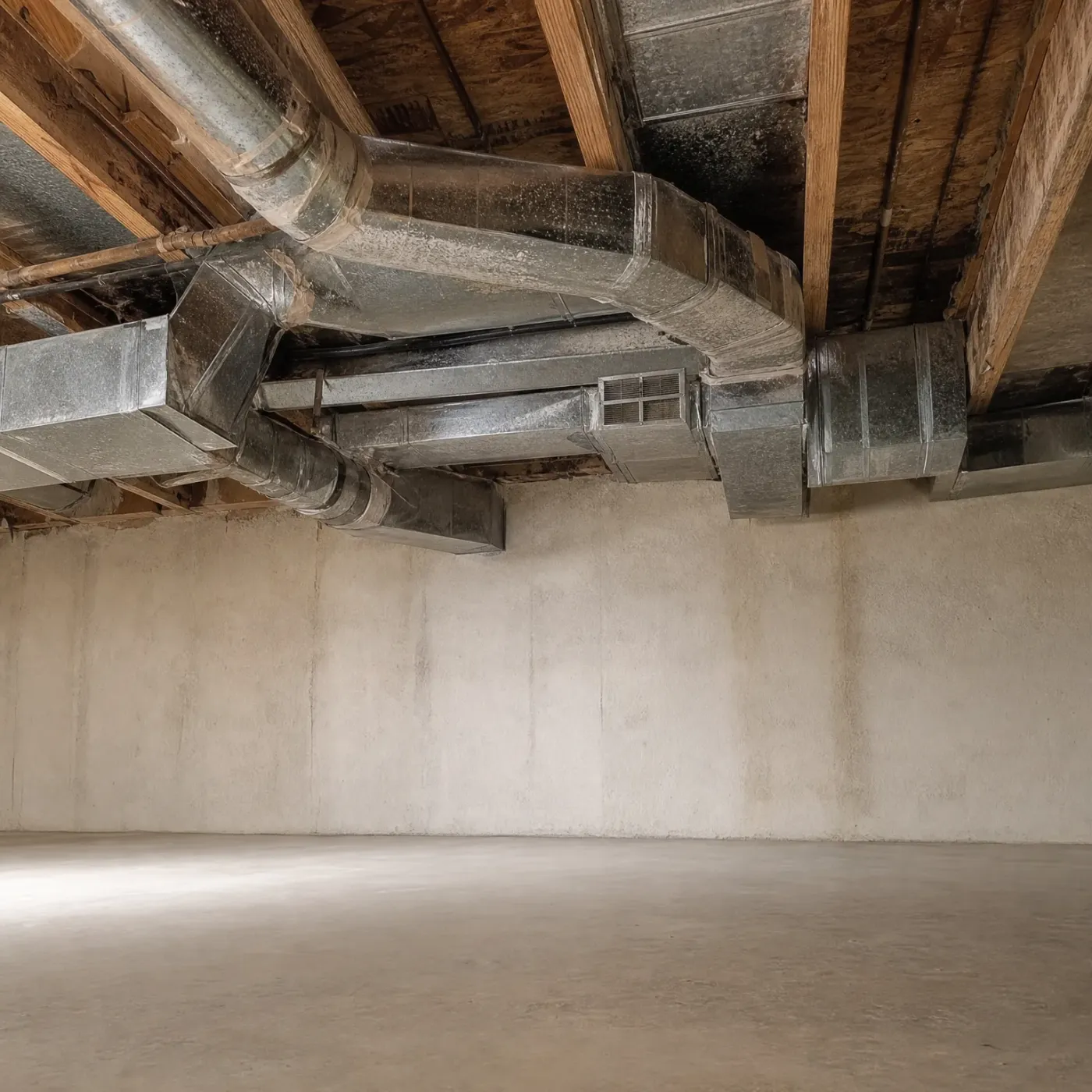
The dark discoloration along these runs is dust that built up inside and keeps getting dragged back out through the supply vents. A duct like this doesn't hold still. Every time the blower kicks on, some of that layer breaks loose and goes straight into the rooms you just cleaned.

Your ducts are either moving clean air or recirculating what's already settled in them, and the dust on your furniture tells you which one is happening in your house. A cleaning clears out the trunk line and every supply run back to the return, so the blower stops feeding the same dust through your rooms all winter.
Finding someone to do that work is its own chore. You'd normally be calling around, explaining the same thing to a few different companies, waiting on quotes, then trying to sort out who actually knows duct systems from who just answers the phone. Here you're matched with one local contractor who works on this equipment every season and knows what usually turns up in a South Carolina attic or crawlspace. One call, one visit, and you know where you stand.

The pro who reaches out is licensed in South Carolina.