








Signs your air ducts need cleaning in South Carolina

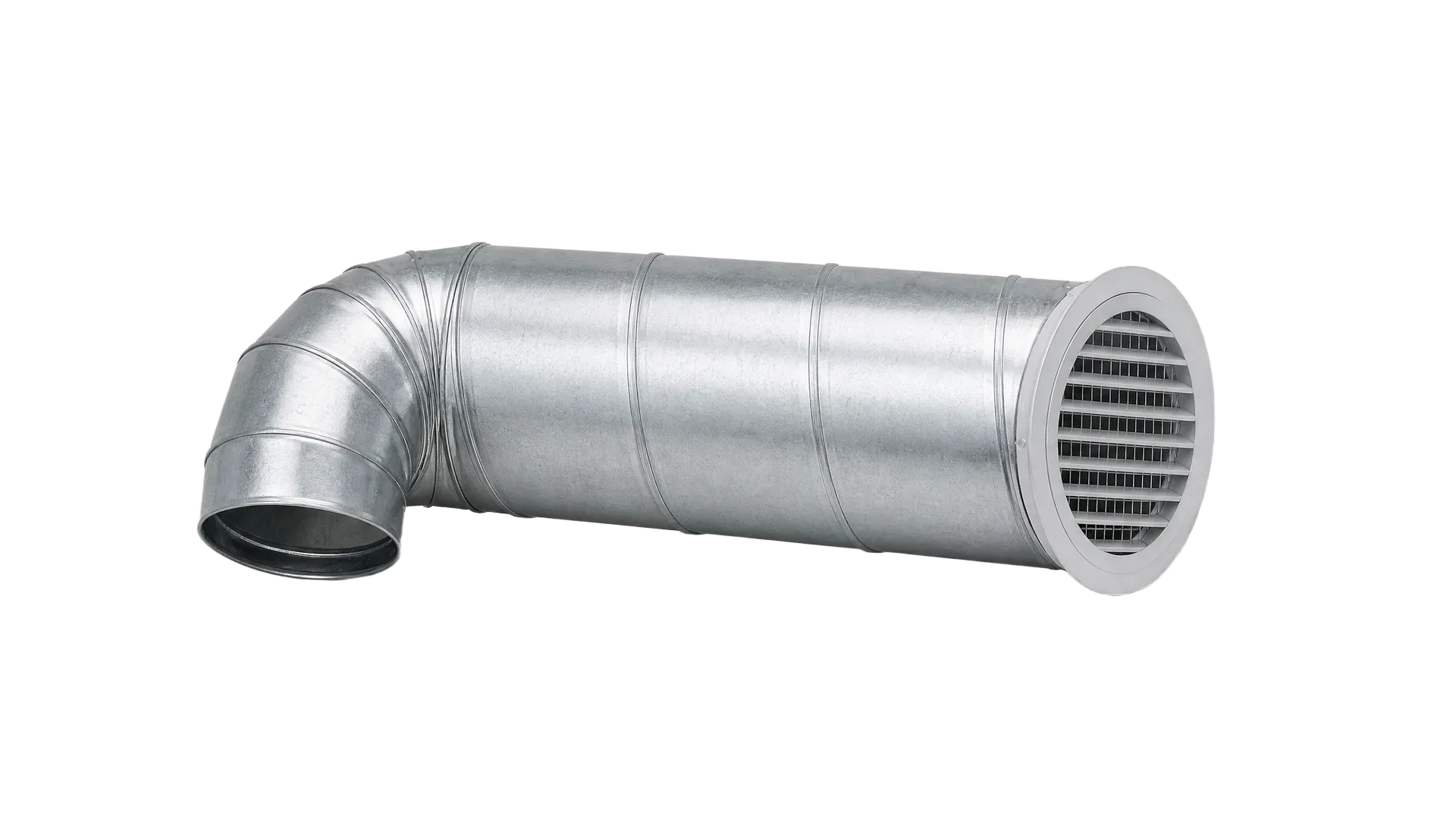
A galvanized steel round duct with a 90-degree elbow and a circular louvered vent grille at one end, photographed against a plain light gray background.
Get matched

Dust coming back within days of cleaning, musty air when the system kicks on, and rooms that stay stuffy even with the thermostat set right are the clearest signs your ducts need attention. In South Carolina, summers run muggy for months, and that humidity gives mold and mildew a place to grow inside ductwork that stays damp from constant AC use. If you see dark spots near the vent covers, or notice a musty smell right when the air kicks on, that's often mold growing inside the duct itself, not just in the room. Higher bills without a clear reason, visible dust around vent covers, and family members with allergies acting up more indoors than outside all point the same direction. Rodents or insects getting into the ductwork leave droppings and debris that circulate every time the system runs. None of this fixes itself. Once buildup or moisture gets inside the ducts, it stays there until someone physically clears it out.

A gray-haired bearded man in a dark coat and scarf dusted with snow stands smiling in a dimly lit entryway with a white front door, a side table with a lit lamp, an oval mirror, and a patterned rug.
An older bearded man in a dark snow-dusted coat and gray scarf stands just inside a dimly lit home entry, with a framed picture, lit table lamp, and an adjoining room with a fireplace behind him, and snow visible through the open door.
A gray-haired, bearded man in a dark snow-dusted coat stands smiling in a dimly lit entry hall with a staircase, a lit table lamp, a framed picture, and a living room visible through a doorway.
An older man with gray hair and a beard, wearing a dark jacket dusted with snow, stands smiling in a dimly lit hallway with lamps and a living room visible behind him.

Humid air moving through ductwork all summer gives dust and debris something to cling to, so buildup forms faster here than it would in a drier climate.

That buildup sits in the duct and gets pushed into every room each time the system runs, which is why the stuffiness and the musty smell don't go away on their own.

Power costs 15.12 cents per kilowatt-hour statewide

At 15.12 cents per kilowatt-hour, most of your cooling bill is the system running longer to push air through ducts that are working harder than they should. Clogged ducts make the blower strain, and with most homes here heating on electricity too, that strain shows up on the bill most of the year, not just in summer.

EIA-861 2025 statewide residential average

Unfinished basement interior with exposed wooden floor joists, galvanized rectangular and round sheet-metal ducts, a gray furnace unit at left, and a large blank light-colored wall at right.

Mold growth inside the ducts

A musty smell when the air kicks on can mean mold is growing inside the ductwork itself, not just somewhere in the house. This happens when moisture gets into the system and has dust to feed on. Once mold takes hold in a duct, running the system spreads spores into every room it serves. A contractor who inspects the ducts can tell whether the smell is mold in the line or something else nearby, and whether the ducts need cleaning or the moisture source needs fixing first.

Galvanized sheet metal ductwork with elbows and a vent grille running beneath an exposed wood joist and OSB ceiling, next to a blank white wall.

Vents that look fine from outside

You can pull a vent cover off and see nothing unusual, and still have a duct packed with debris further back where you can't reach. Registers near the main trunk often stay cleaner than the branch lines feeding bedrooms or far corners of the house. A vent that looks clean doesn't rule out a dirty duct behind it. If airflow is weak in one room but not others, the blockage is usually sitting somewhere in that line, not at the opening you can see.

A woman in a cream sweater and jeans stands in the open doorway of a white stucco house, holding the dark door, while a man in a dark quilted jacket seen from behind walks toward the entry past potted plants.

What this looks like in your house

You'll notice it on a windowsill or a TV stand first. Dust that's back a day or two after you wipe it down means the ducts are feeding the room faster than you can keep up. Check the vent covers themselves. A gray film around the edges of a supply vent is duct debris passing through every time the blower runs, and it means the same air is moving through every other vent in the house.

A local contractor who cleans ducts in South Carolina homes all summer has seen which rooms it hits first and what it means when one room runs dustier than the rest. That's worth having on your side rather than guessing at it yourself. If you get matched with one, it's a single contractor who takes the time to look at your system specifically, not a handful of companies working the phones.

Interior corner with a beige sofa holding a dark green and a light cushion and a textured throw, a potted small-leaved tree beside a white-framed window, and a dark shallow bowl on a wooden coffee table in the foreground.
Empty unfinished basement with concrete walls and floor, exposed wood joists, metal HVAC ducts and pipes overhead, and a steel support column near a framed wall.

Ducts doing their job

This is what a clean system looks like. Air moves through the metal without resistance, nothing lining the inside, nothing choking the branches that feed each room. The joists and pipes stay visible because nothing has built up enough to matter.


Empty basement with bare concrete walls and floor, a steel support column, and galvanized sheet-metal ductwork and pipes running along the exposed wood joist ceiling.

Ducts under strain

Same basement, same layout, but years of buildup change what's happening inside that metal. Every branch running overhead is carrying more than air. If it's been a while since anyone looked inside yours, this is what's likely accumulating out of sight.

Galvanized sheet-metal ductwork and round pipes run along a wooden floor joist ceiling above a bare concrete wall and floor.
Before you get your ductwork cleaning
Unfinished basement with concrete floor and walls, exposed wood joists, steel support posts, and large galvanized sheet-metal ductwork running to a furnace or air handler against the far wall.
After you get your ductwork cleaning

A pro who works on ducts

A duct system that's feeding mold and dust into every room doesn't sort itself out. Someone has to get into the ducts, see where the buildup sits, and clear it. A contractor who services ductwork in South Carolina all summer has seen what this humidity does to a system, and knows the difference between dust you can wipe off a vent cover and mold growing where you can't reach it. That's the kind of look your ducts need before the problem gets worse, not a guess from across the room. Getting matched with one local contractor means someone familiar with homes like yours, not a stranger working from a script, takes a look at what's actually happening in your ductwork. If dust is back within a day of cleaning, or the air smells musty when the system kicks on, that's worth having someone check now, while you still have the choice of when.

What to Do Next

  • Dust back within days, musty air on startup, and rooms that stay stuffy point to ducts that need clearing.
  • South Carolina's muggy summers speed up buildup inside ductwork, so the signs show sooner here than in a drier state.
  • A clogged duct system makes the blower work harder, and that strain shows up on an electric bill that's already running longer hours.
  • Mold inside the ducts spreads through the house every time the system kicks on, not just sits in one spot.
  • A contractor who works on ducts through South Carolina summers knows how fast this buildup forms and where it usually collects.
  • Matching with one local, licensed contractor means a single point of contact who already knows what this climate does to a duct system.

The signs point the same direction. Dust that returns fast, air that smells off when the system starts, rooms that won't cool down right, a bill that's climbed without any other change. Any one of those is worth a second look. Together, they usually mean the ductwork is holding more than it should.

South Carolina's summers make this a faster process than it would be somewhere drier. Months of humid air moving through the system gives dust and mold something to hold onto, and once that buildup starts, it doesn't reverse on its own. The duct keeps feeding it into every room the system serves, and the blower keeps straining to push air past it.

Someone who works on ductwork here every summer has seen this pattern enough times to know where it collects and what it means when it shows up early in a system's life versus late. That's the kind of read you get from a contractor who's local and licensed, someone who's already familiar with what this climate does to a duct system rather than someone learning it on your house.

When you request a match, you're connected with one contractor, not several competing for the call. That contractor can look at what's actually happening in your ducts and tell you what it'll take to clear it. You've seen the signs. The next step is getting someone into the system who can confirm what they mean for your house.

A single-story stucco house at dusk with a lit paver walkway lined by low path lights, desert plants and boulders in front, and distant mountains under an orange and blue sky.

Ductwork Cleaning

Get your ductwork to the right pro

Duct and vent cleaningDucts or ventsSouth Carolina
Step 1 of 2

What ZIP code is the job in?

  • A corner of a room with an upholstered wood-framed armchair holding a floral pillow, a round side table with a ceramic lamp, books and a vase of greenery, a framed landscape painting on the wall, a patterned rug, and a sunlit multi-pane window.
    • Say what's going on with your ductwork, and a pro who works on them reaches out.
    • A local pro who knows ducts gets your details and gets in touch.
  • Interior corner with a wood-framed window showing green foliage outside, a framed landscape print on a beige wall, and a rounded stone vase of leafy branches on a wooden cabinet.
    • Send the form and the duct cleaning stops sitting on your list.
    • Send the form and finding a duct cleaner is handled.
  • A pale ceramic vase holding olive branches sits on a dark wooden countertop beside a carved wooden dough bowl, next to a wood-framed window and a light painted plank wall.
    • Skip calling around for someone who cleans ducts.
    • Answer a few questions about the duct cleaning and skip the search.
  • A dark wood round side table holding a brass lamp with a cream shade, a blue-and-white patterned bowl, and a white textured pot of greenery, beside an upholstered chair with a gray patterned cushion and a white-framed window showing green trees and flowering shrubs.
    • Only one pro gets your request, so you hear from one company.
    • Your request stays with one local pro.





