HVAC Installation in Aiken, SC
A new system here will heat from November through March and cool from May through September every year. Tell us about the house, and a licensed contractor who covers Aiken County will get in touch.
Tell us about the job
It takes about a minute.

Ten months of the year, your system is working
Aiken County only gives your equipment two months off. Heat runs November through March, with winter nights averaging 36°F. Cooling runs May through September, with afternoons hitting 91°F. A new system here needs to handle both ends without much rest between them.
Most homes in the area heat with electricity, so the furnace or heat pump you choose is tied directly to what the power grid does. Storms are part of that picture. Aiken County saw 185 damaging wind events over the last ten years, and 45% of South Carolina households lost power for at least a day in 2024. Whatever gets installed should be sized and set up with that in mind, not just for the mild days in between.
- 5 months
- November through March, your system heats
- 5 months
- May through September, it cools
- 36°F
- the average winter night it heats against
- 91°F
- the average summer afternoon it cools against
NOAA nClimDiv, 1991–2020 normals
- When should I replace my HVAC system?
- Once your system is old enough that repairs keep coming back, or a repair costs a large share of what a new unit would run, replacement makes more sense than another fix. Homes here need heat or cooling 10 months out of the year, so the equipment gets less rest than it would somewhere milder. If your system is struggling to keep up on the coldest nights or hottest afternoons, that strain adds up. A contractor can look at the age and condition of your equipment and tell you whether it is worth repairing again.
- Should I replace my furnace and air conditioner at the same time?
- If both are near the end of their life, replacing them together usually makes sense. A furnace and air conditioner installed at the same time are matched to work together, and matched equipment tends to run more efficiently than pairing an old unit with a new one. It also means you are not paying for a second installation a year or two later. If one unit is much newer than the other, though, there is no reason to replace it early just to match.
- What happens during an HVAC installation?
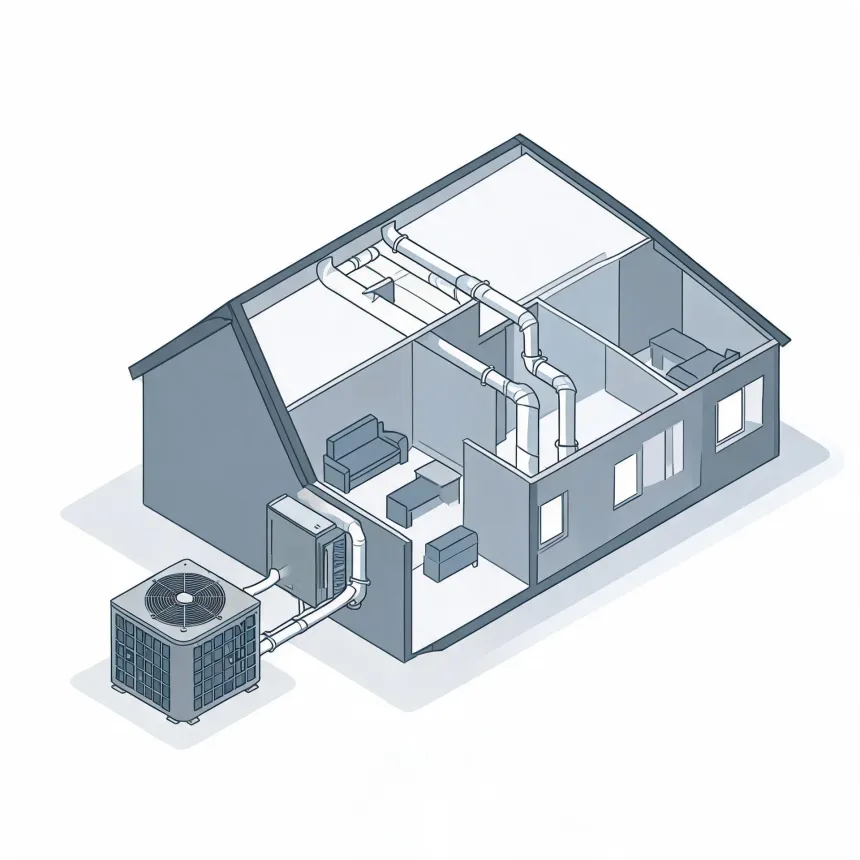
- A contractor first sizes the new equipment to your home, since a furnace or air conditioner that is too big or too small will not heat or cool evenly. The old unit is removed and disconnected from the ductwork, gas line, or electrical circuit it was using. The new unit is set in place, connected to those same lines, and the ductwork is checked for leaks or damage while it is open. Once everything is connected, the contractor tests the system, checks refrigerant levels or gas pressure, and confirms it is heating or cooling the way it should before calling the job done.