Heat Pump Repair in Lancaster, SC
Homes here need heat from November through March and cooling from May through September. If your system quits, tell us what it's doing and a licensed contractor who covers Lancaster County will get in touch.
Tell us about the job
It takes about a minute.
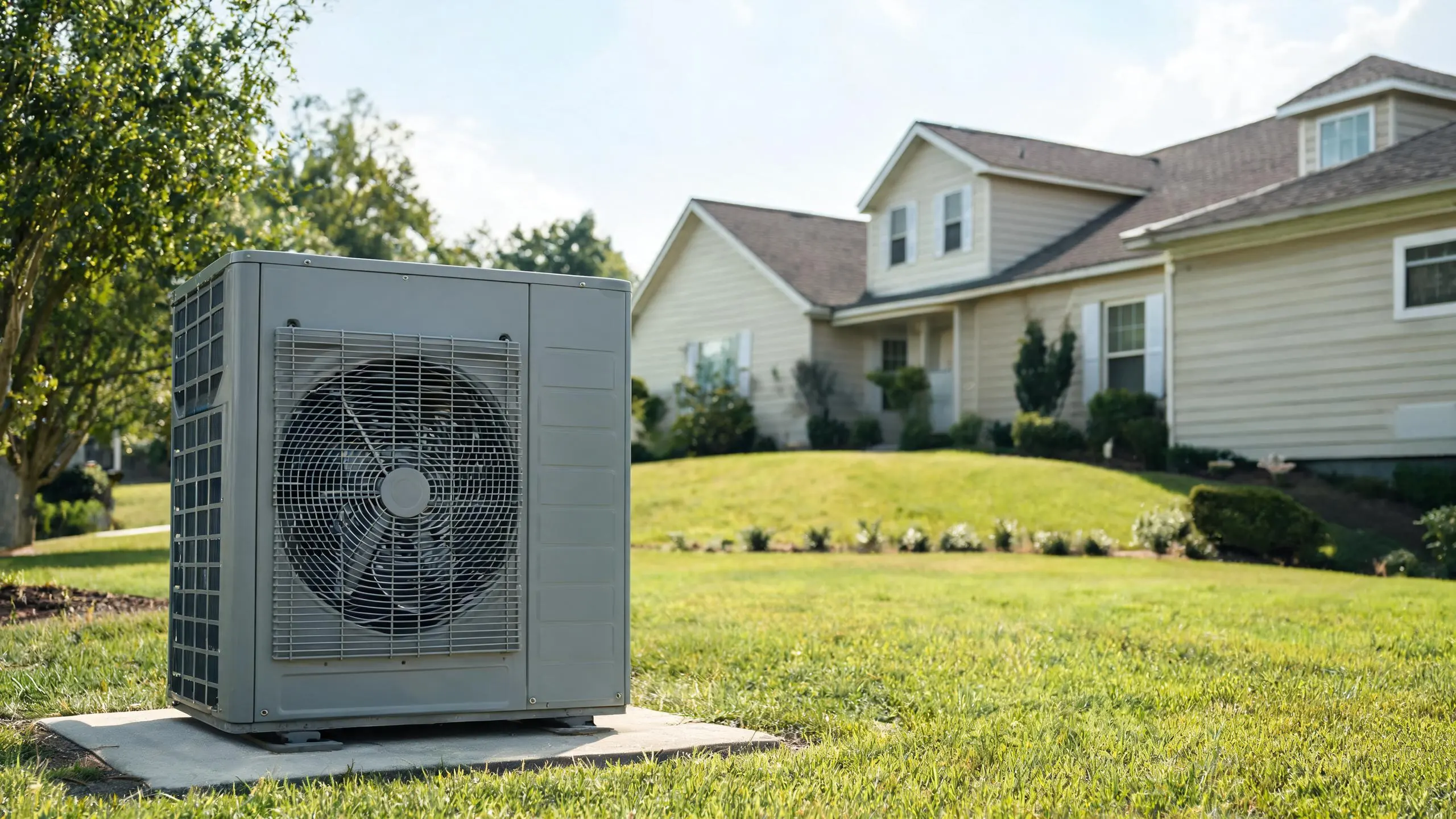
Ten months of work a year on your heat pump
Your heat pump runs from November through March to keep the house warm, then switches over and runs May through September to keep it cool. That is ten months a year with barely a break, and it means the compressor and the reversing valve get used far more here than in a place with a short winter or a mild summer.
Winter nights average 33°F, cold enough that the unit has to run defrost cycles to keep the outdoor coil clear of ice. Summer afternoons average 89°F, which pushes the compressor hard on the cooling side. Lancaster County has also seen 133 damaging wind events and 5 winter storms since 2015, and outdoor units left exposed to that kind of weather take the hit first. If your heat pump is blowing air that is not warm or not cold enough, or it will not come on after the power has been out, that is where to start looking.
- 5 months
- November through March, your system heats
- 5 months
- May through September, it cools
- 33°F
- the average winter night it heats against
- 89°F
- the average summer afternoon it cools against
NOAA nClimDiv, 1991–2020 normals
- Why is my heat pump blowing cold air?
- In heating mode, air from the vents is meant to feel warm but not hot, so what feels cold to you may just be air a bit below body temperature. If the air is truly cold with no warmth to it at all, the system may have switched to fan-only operation, or the outdoor unit may have stopped running while the indoor fan keeps going. A frozen outdoor coil or a refrigerant problem can also cut off heating while air still moves through the ducts. A contractor can check whether the outdoor unit is running and diagnose why heat is not reaching the air.
- Why is there ice on my heat pump?
- Some frost on the outdoor unit during winter is normal, and the heat pump defrosts itself on a regular cycle to clear it. Ice becomes a problem when it builds up thick, covers the coil completely, or never melts between defrost cycles. That points to a defrost control issue, a fan that is not moving air properly, or low refrigerant. Left alone, heavy ice blocks the coil and the system loses its ability to heat.
- Why is my heat pump running but not cooling?
- If the outdoor and indoor units are both running but the air coming out is not cool, the most common causes are a dirty air filter restricting airflow, a frozen indoor coil, or low refrigerant from a leak. A blocked outdoor unit, one packed with leaves or debris, can also stop it from releasing heat properly, which shuts down cooling even though the fans are spinning. With summer afternoons here reaching 89°F, a heat pump that is not actually cooling falls behind fast and struggles to keep the house comfortable. A contractor can check the filter, the coil, and the refrigerant charge to find which one it is.