
Dryer Vent Cleaning in Lancaster, SC
Tell us about your home, and a licensed contractor who covers Lancaster County will get in touch.
Tell us about the job
It takes about a minute.
Step 1 of 3: Equipment

Cold vents make lint stick
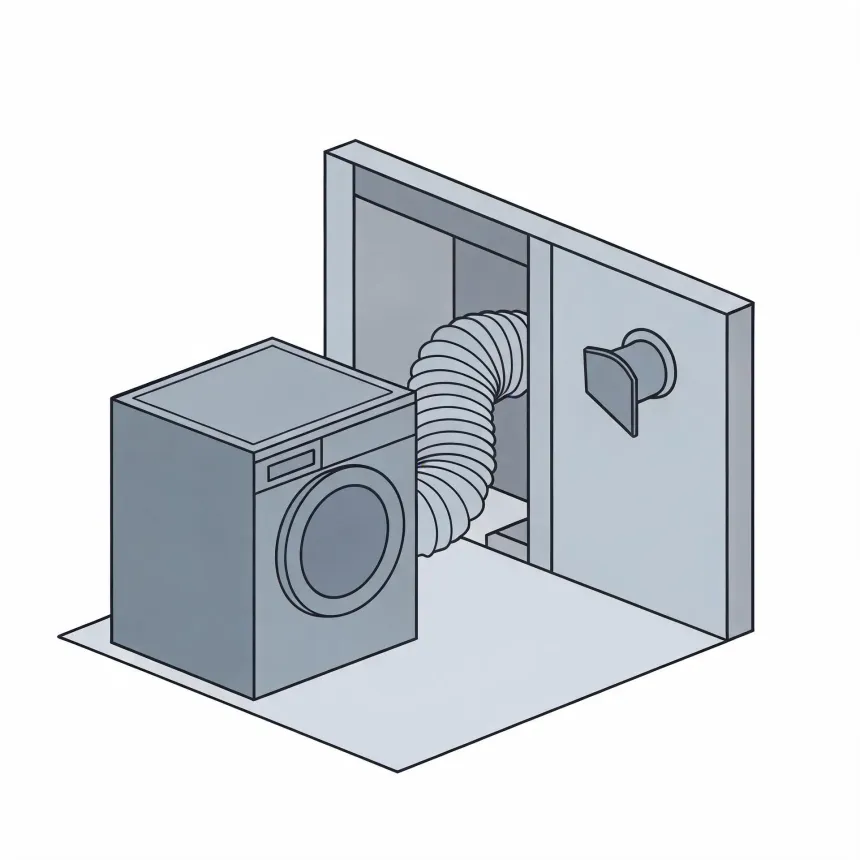
Every load of laundry sends warm, damp air through the vent and out. On a winter night here, with temperatures down around 33°F, that vent runs cold. The warm air hits the cold walls and cools fast, and the moisture in it settles out before it ever makes it outside. Lint sticks to a damp wall far more than it does to a dry one.
That buildup narrows the path the air has to travel. A dryer working against a blocked vent takes longer to dry a load and runs hotter doing it. Over a winter of that, lint packed against warm metal is a fire risk sitting inside the wall.
- 33°F
- the average winter night, and cold vents catch damp lint
- 5 months
- November through March, the vent stays cold
Jan
Feb
Mar
Apr
May
Jun
Jul
Aug
Sep
Oct
Nov
Dec
NOAA nClimDiv, 1991–2020 normals
- How often should a dryer vent be cleaned?
- Once a year for most households. Lint builds up along the whole length of the vent, not just in the lint trap, and it narrows the path the air needs to escape. If your dryer runs daily, keep an eye on drying times between cleanings and don't wait the full year if things seem off.
- Can I clean my dryer vent myself?
- You can clean the part you can reach, but most of the vent runs where you can't. A vacuum at the wall connection or the outside hood will pull out what's near the ends. The lint sitting in the middle of the run, especially on a longer or bent vent, needs a brush and rod pushed through the whole length to come loose.
- What are the signs of a clogged dryer vent?
- Clothes that take two cycles to dry when they used to take one. The top of the dryer feels hot to the touch, or the laundry room warms up while it runs. The outside vent hood barely moves air when you hold your hand near it, and you may notice a burnt smell as the dryer works harder to push air through.