
Duct Cleaning in Lancaster, SC
Tell us about your home, and a licensed contractor who covers Lancaster County will get in touch.
Tell us about the job
It takes about a minute.

What five months of heat does to your ducts
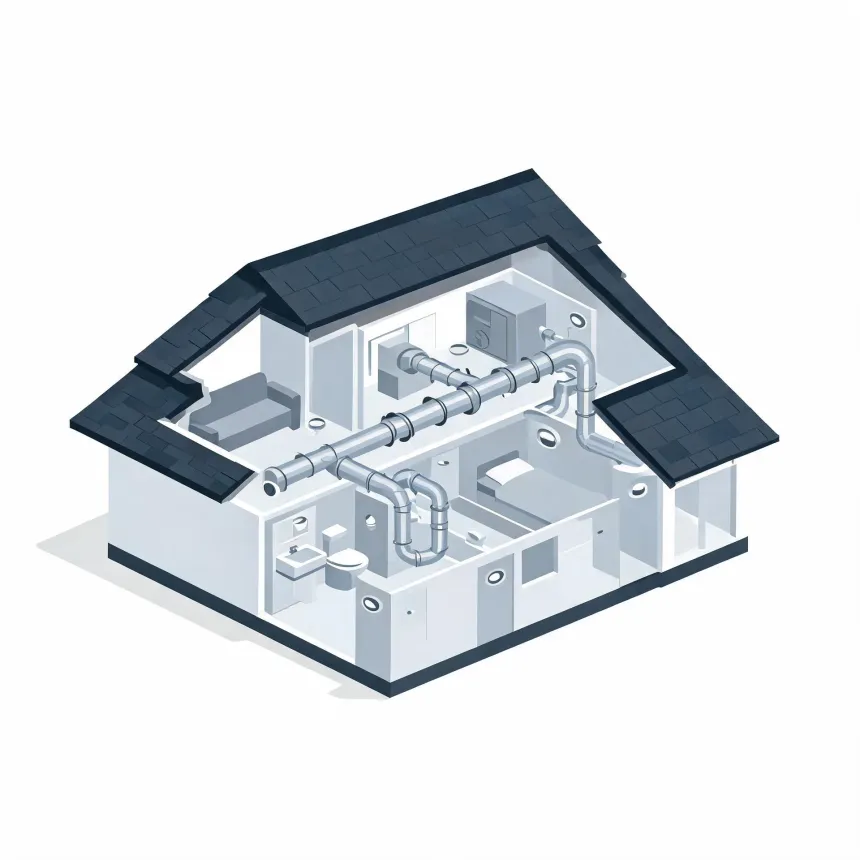
Lancaster County homes need heat running from November through March. On winter nights averaging 33 degrees, the furnace cycles on and off for hours at a stretch, and each start pushes air hard enough through the ducts to stir up whatever dust has settled since the last run.
Wind works dust into duct joints and returns too. The county has logged 133 damaging wind events and 5 winter storms over the past ten years, and each one is a chance for outside air to force its way into gaps in the system. That buildup sits in the ducts and blows back into the house every time the furnace or the air conditioner runs.
- 5 months
- November through March, your furnace pushes air through your ducts
- 5 months
- May through September, your air conditioner does the same
NOAA nClimDiv, 1991–2020 normals
- How often should air ducts be cleaned?
- There's no fixed schedule that fits every home. If anyone in the house has allergies, or you've had work done that left dust behind, like a furnace swap or a remodel, that's a reason to clean them sooner rather than wait. Homes with pets or windows kept shut most of the year also tend to build up dust in the ducts faster. A contractor can look at what's actually in the ducts and tell you whether cleaning makes sense now or can wait.
- Is air duct cleaning worth it?
- It's worth it if your ducts actually have a buildup problem, but not every home needs it on a schedule. Dust blowing out of the vents when the furnace kicks on, a musty smell, or visible dust around the registers are the signs to look for. A contractor can check the ducts and tell you honestly whether cleaning will help or whether the air quality issue you're noticing is coming from somewhere else.
- What does air duct cleaning involve?
- A contractor connects a vacuum system to the ductwork and uses brushes or air tools to knock loose dust and debris from inside the ducts, then pulls it all out through the vacuum. The registers and return vents get cleaned too, along with the coil and blower if they're part of the job. Afterward the ducts get sealed back up and the system is checked to make sure air is moving through them the way it should.