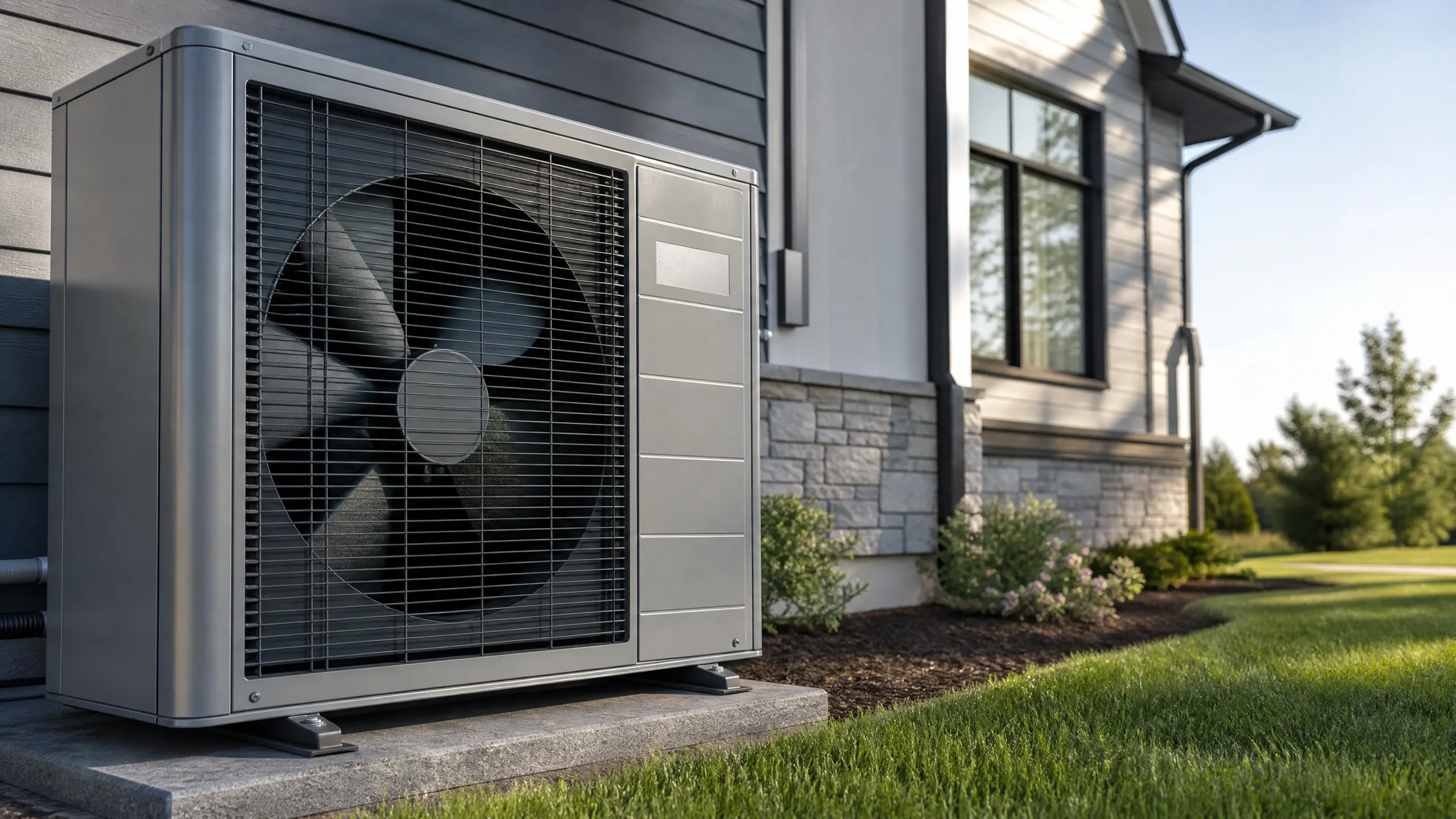
Heat Pump Repair in Anderson, SC
Homes here need heat from November through March and cooling from May through September. If your system quits, tell us what it's doing and a licensed contractor who covers Anderson County will get in touch.
Tell us about the job
It takes about a minute.
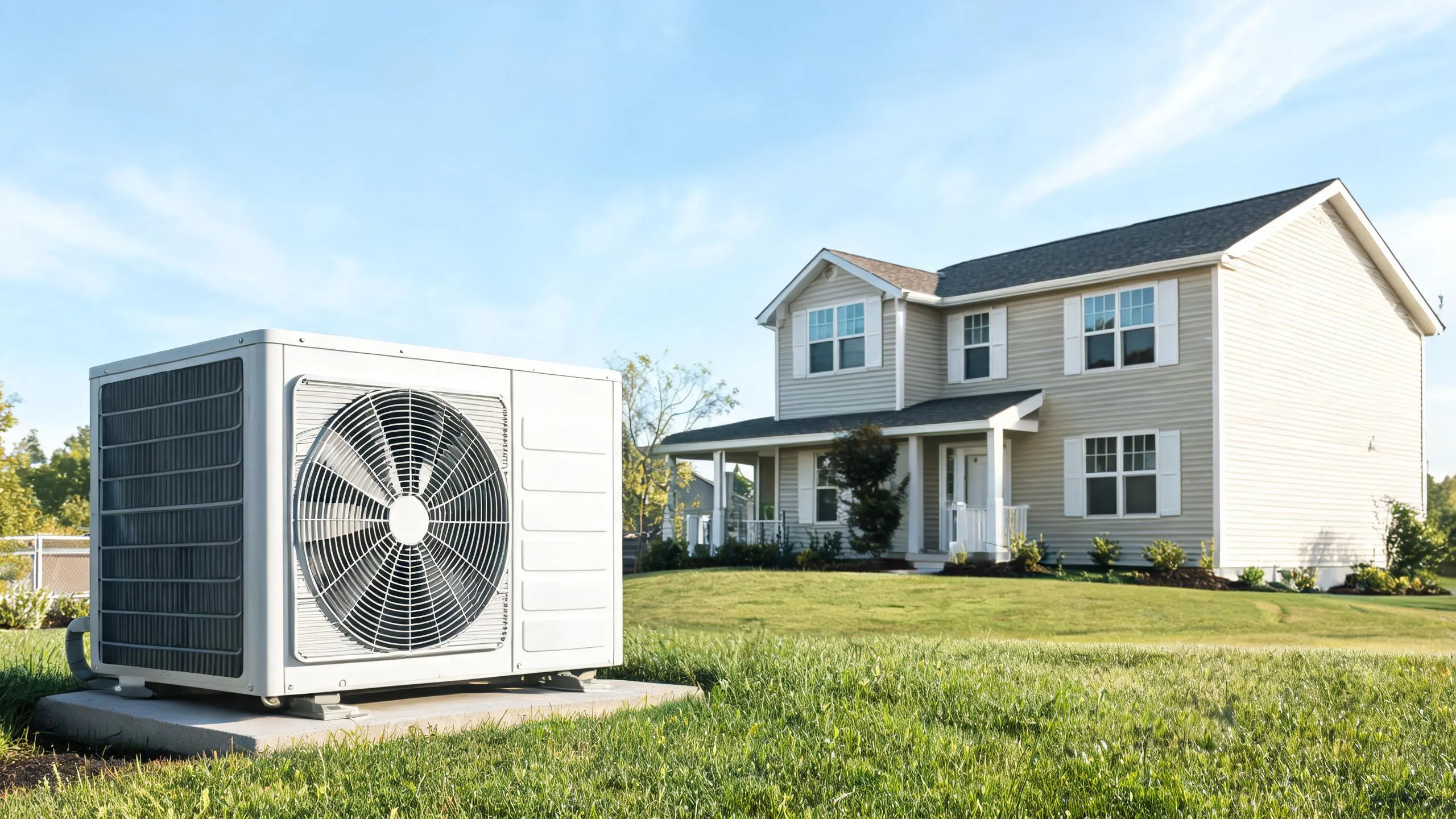
Your heat pump works ten months a year here
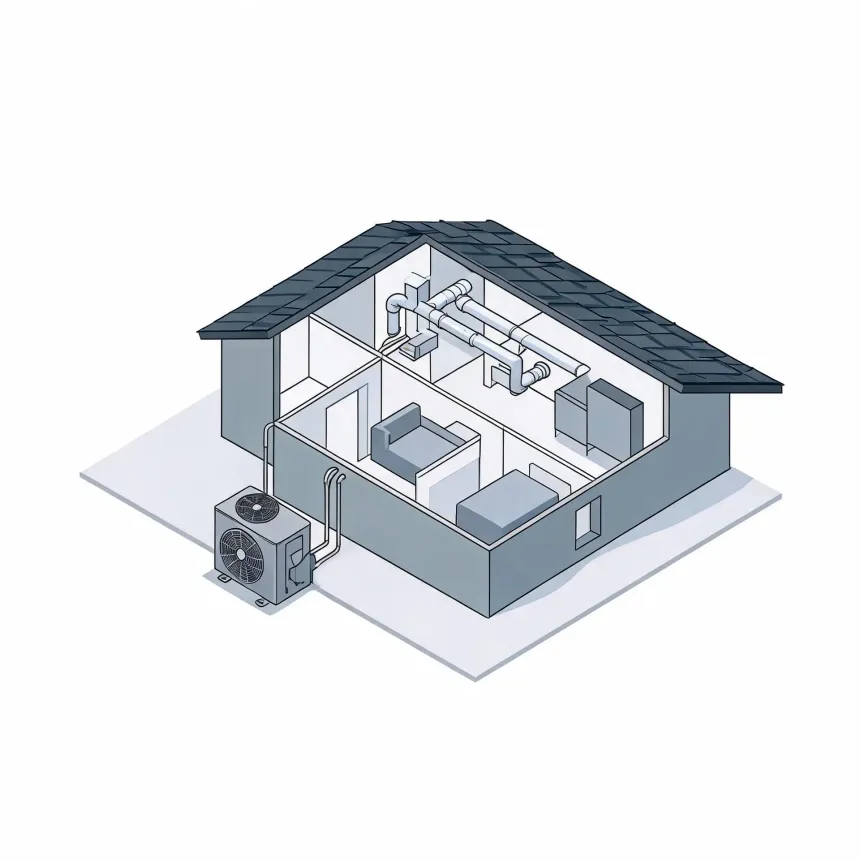
Anderson County runs a heat pump from November through March, then again from May through September. On winter nights averaging 34°F it has to pull heat out of cold air, and on summer afternoons near 89°F it has to push heat back out. Both jobs lean on the compressor and the reversing valve, the part that switches the system between heating and cooling.
Most homes here heat with electricity, so when the heat pump stops working there is no backup keeping the house warm. Anderson County has seen 111 damaging wind events over the past ten years, and the outdoor unit sits outside to take that. Wind-blown debris or a hard power interruption can damage the fan motor or the control board, and the system stops responding or gets stuck in one mode.
- 5 months
- November through March, your system heats
- 5 months
- May through September, it cools
- 34°F
- the average winter night it heats against
- 89°F
- the average summer afternoon it cools against
NOAA nClimDiv, 1991–2020 normals
- Why is my heat pump blowing cold air?
- A heat pump moves warm air rather than heating air the way a furnace does, so the air from the vents feels cooler than what a gas furnace puts out even when it's working right. If it's blowing air that feels cold to the touch with no warmth at all, check the thermostat is set to heat and not fan only. A frozen outdoor unit, a low refrigerant charge, or a failed reversing valve will also leave you with cold air, and those need a contractor to sort out.
- Why is there ice on my heat pump?
- Some frost on the outdoor unit in winter is normal, and the system defrosts itself on a regular cycle. A heavy buildup of ice that doesn't melt off means something is stopping that defrost cycle from working, often a failed defrost control board, a bad sensor, or a fan motor that's not moving air across the coil. Ice can also build up when the refrigerant charge is low. Left alone, it blocks airflow and stresses the compressor, so it's worth having a contractor look at it rather than waiting for it to clear on its own.
- Why is my heat pump running but not cooling?
- If the outdoor unit and indoor fan are both running but the air isn't cold, the most common cause is low refrigerant from a leak. A dirty outdoor coil covered in leaves or debris can also stop it from shedding heat, which cuts into how well it cools. A failing compressor or a stuck reversing valve will do the same thing. Any of these need a contractor to test the system and find which one it is.