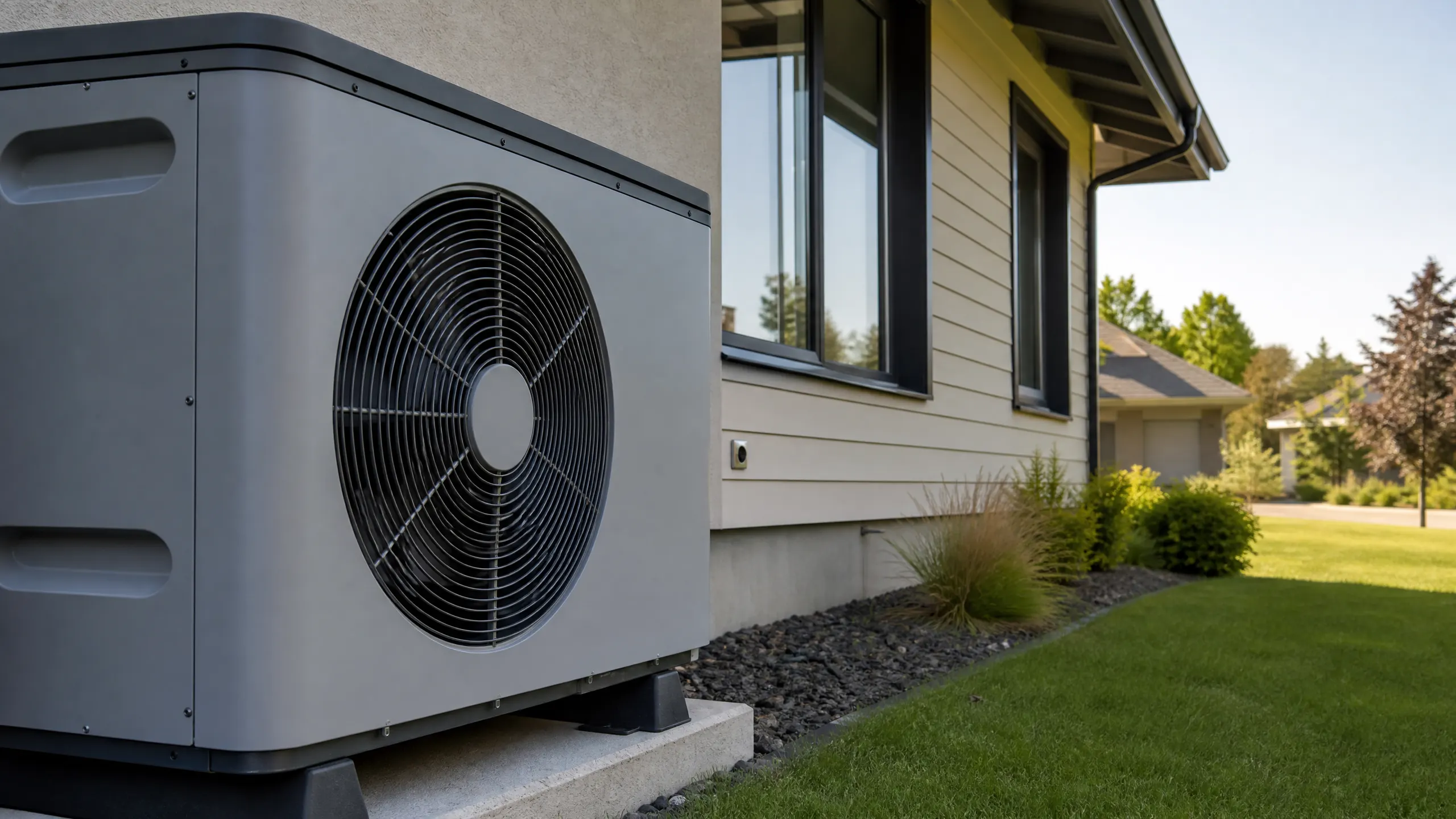
Heat Pump Installation in Gaffney, SC
A new system here will heat from October through April and cool from May through September every year. Tell us about the house, and a licensed contractor who covers Cherokee County will get in touch.
Tell us about the job
It takes about a minute.
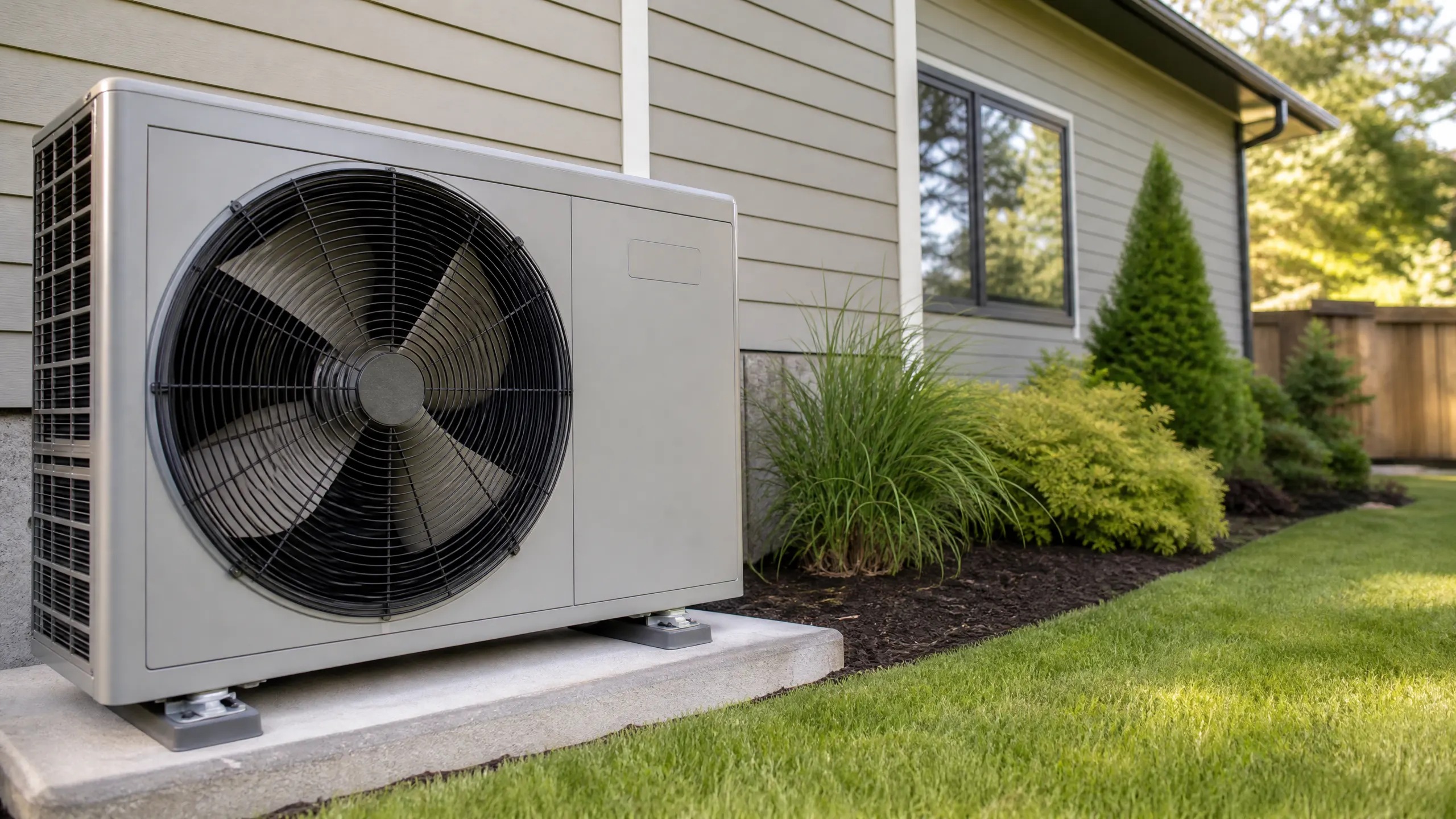
A heat pump in Gaffney works all year round
Your heat pump will run October through April to keep the house warm, then switch over and run May through September to cool it. That's all 12 months, with only short breaks between seasons. Winter nights average 32°F here, mild enough that a heat pump can carry the heating load without much strain. Summer afternoons average 88°F, so the same unit is doing real work on the cooling side too.
Any split-system heat pump installed new has to meet 14.3 SEER2 for cooling and 7.5 HSPF2 for heating, the federal minimum as of 2023. Most homes in this area heat with electricity, so the heat pump is the whole heating system, not a backup to something else. Cherokee County has recorded 6 winter storms and 49 damaging wind events over the past ten years, and a heat pump needs power to run, so how it comes back after an outage matters as much as how it runs on an ordinary day.
- 7 months
- October through April, your system heats
- 5 months
- May through September, it cools
- 32°F
- the average winter night it heats against
- 88°F
- the average summer afternoon it cools against
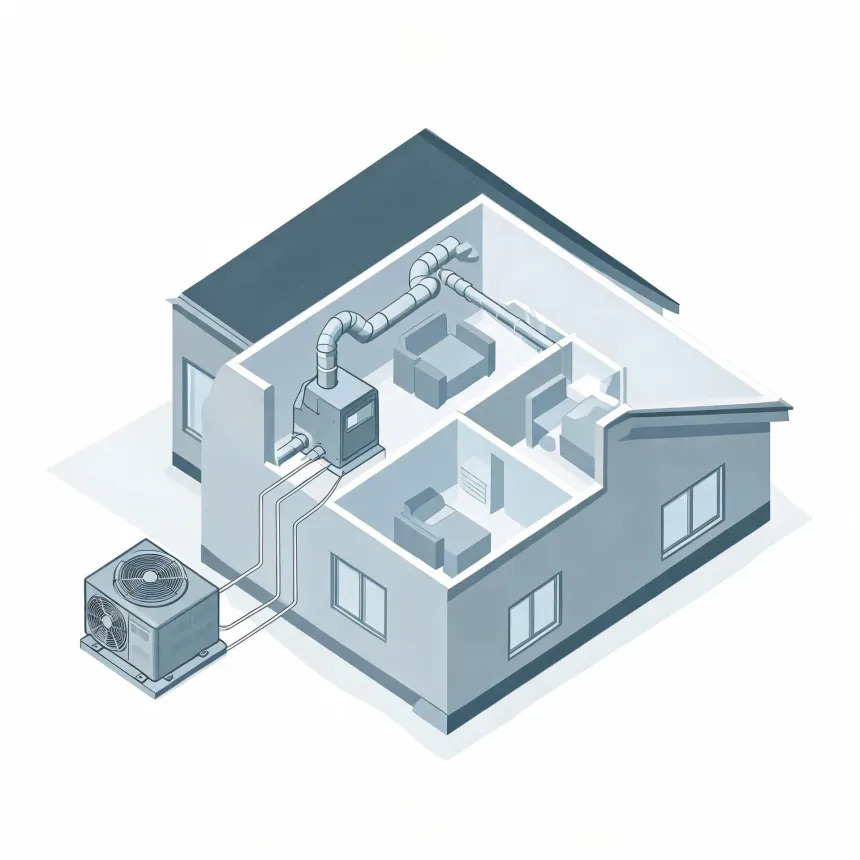
NOAA nClimDiv, 1991–2020 normals
- Is a heat pump better than a furnace?
- A heat pump does both heating and cooling, so it replaces a furnace and an air conditioner with one system. A furnace only heats, and it burns gas or uses electric resistance to do it, which costs more to run than moving heat the way a heat pump does. Gaffney winters average 32°F at night, well within the range a heat pump handles on its own. Whether it makes sense for your house depends on your ductwork and your current system, and a contractor can look at that.
- What's the difference between a heat pump and an air conditioner?
- An air conditioner only cools your home. A heat pump cools it the same way in summer, then reverses that cycle in winter to pull heat from the outside air and bring it inside. Both use a compressor and an outdoor coil, and neither one has a belt to wear out. The difference shows up on a cold night, when the air conditioner does nothing and the heat pump keeps working.
- Does a heat pump work in cold weather?
- Yes. A heat pump pulls heat from outside air even when that air feels cold, down well below freezing. Gaffney's winter nights average 32°F from December through February, which is mild enough that a properly sized heat pump handles the season without strain. Newer units are also held to a federal minimum of 7.5 HSPF2, a heating efficiency standard that didn't exist on older models.