
HVAC Installation in Easley, SC
A new system here will heat from October through April and cool from May through September every year. Tell us about the house, and a licensed contractor who covers Pickens County will get in touch.
Tell us about the job
It takes about a minute.

A system that works all year here
Easley asks for heat from October through April and cooling from May through September. That covers the whole year, not just a few weeks of extreme weather on either end. Winter nights average 33°F, cold enough that a furnace cycles on and off through the night for months at a stretch. Summer afternoons average 87°F, and the air conditioner carries that load for five months straight.
Most homes here heat with electricity, so a new system has to handle both jobs well. Storms are part of the picture too. Pickens County has seen 69 damaging wind events over the past ten years, and in 2024 almost half of South Carolina households lost power for 24 hours or more. A new install is a chance to plan for that, not just for the temperature outside.
- 7 months
- October through April, your system heats
- 5 months
- May through September, it cools
- 33°F
- the average winter night it heats against
- 87°F
- the average summer afternoon it cools against
NOAA nClimDiv, 1991–2020 normals
- When should I replace my HVAC system?
- Replace it when repairs start happening every year or the unit is old enough that a breakdown could leave you without heat or air for days. A furnace or air conditioner that needs a service call every season is telling you something. Age matters too, since older units lose efficiency and the parts get harder to find. If your system is heating and cooling fine and repairs have been rare, there's no reason to replace it early.
- Should I replace my furnace and air conditioner at the same time?
- If both are old, yes, that's usually the better time to do it. A furnace and air conditioner installed together are matched to work as one system, and replacing one alone can leave the other running against a mismatched partner. Homes here need both, heat from October through April and cooling from May through September, so both get worked hard all year. If only one has failed and the other is newer, a contractor can look at the specific units and tell you whether pairing them makes sense.
- What happens during an HVAC installation?
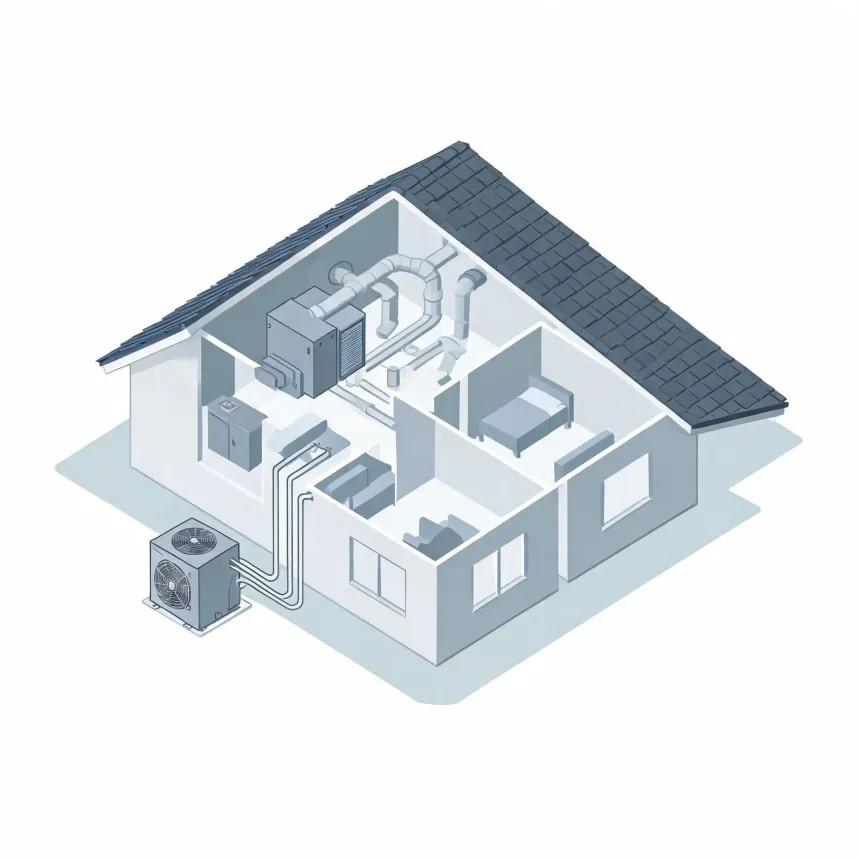
- A contractor removes the old furnace and air conditioner, sets the new units in place, and connects them to the existing ductwork, gas line or electrical, and the vent or flue. Refrigerant lines get connected and the system is charged, then everything is tested to make sure the furnace ignites properly and the air conditioner cools like it should. The contractor will also check the ductwork for leaks or damage while it's open. How long this takes and what it costs depends on the house, so a contractor will need to see the space to give you those specifics.