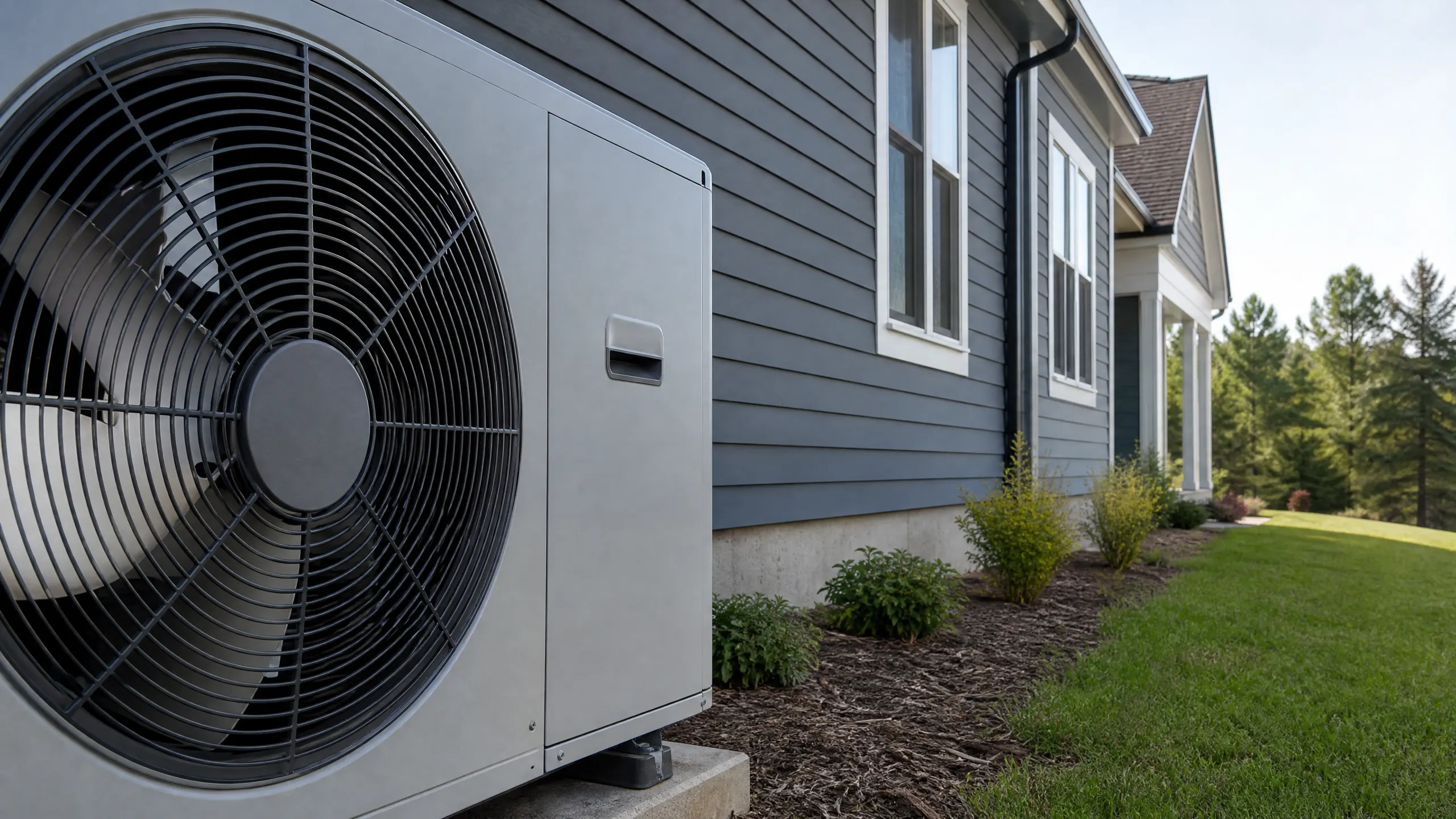
Heat Pump Repair in Spartanburg, SC
Homes here need heat from October through April and cooling from May through September. If your system quits, tell us what it's doing and a licensed contractor who covers Spartanburg County will get in touch.
Tell us about the job
It takes about a minute.
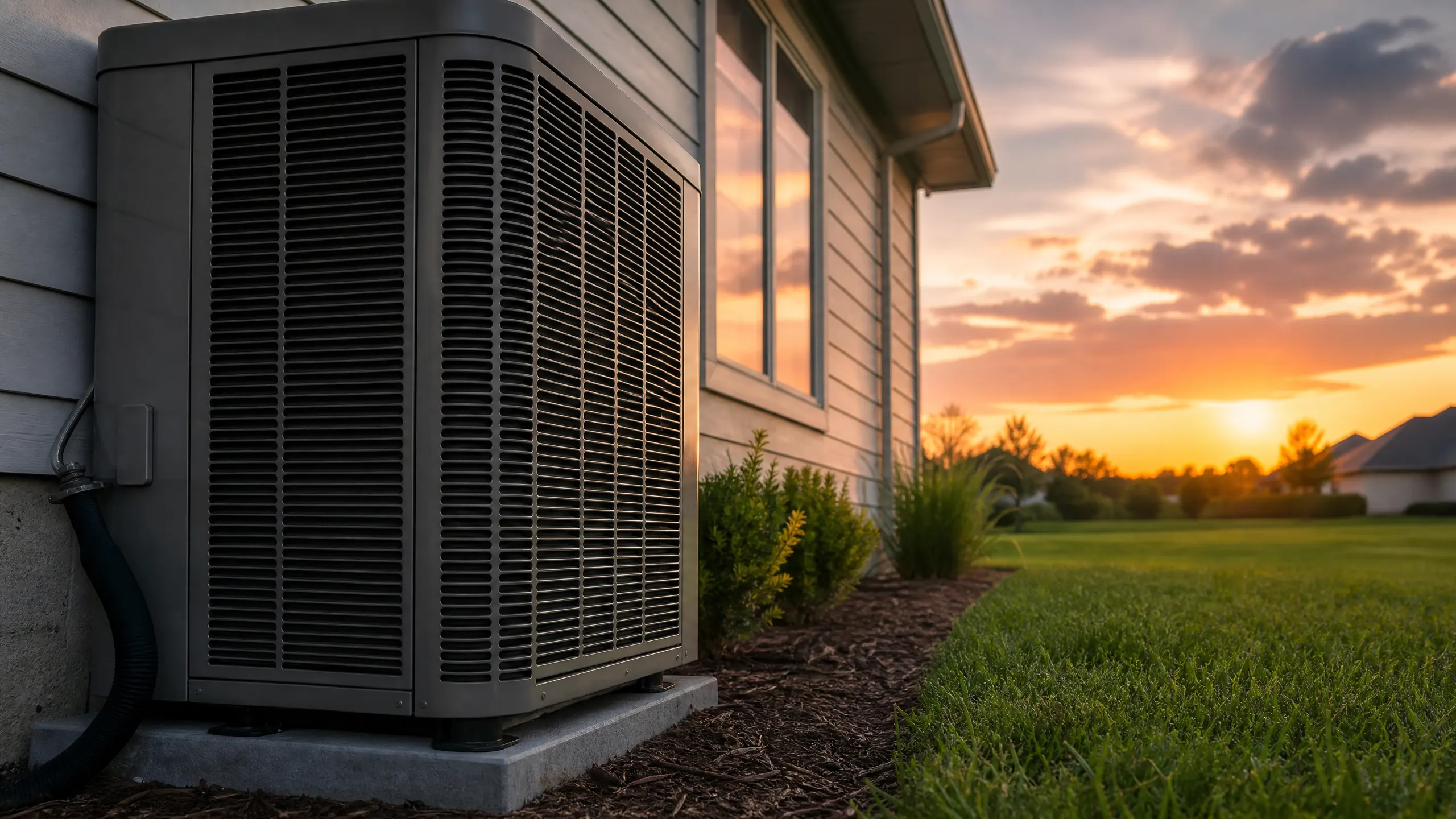
Your heat pump works both sides of the year in Spartanburg County
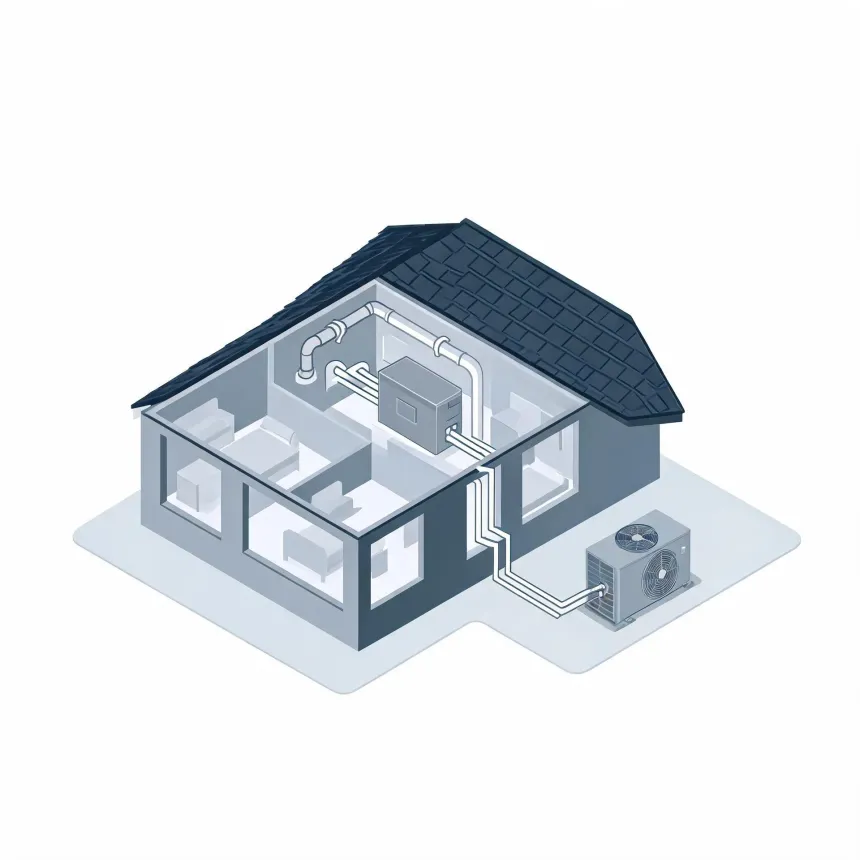
Winter nights here average 33°F, and your heat pump has to pull warmth out of that cold air for seven months, October through April. Then summer afternoons climb to 88°F and it switches to cooling for five more. There is no season off. The system runs almost year round, and the switch between modes puts real strain on the reversing valve, the part that decides whether you get heat or cooling.
Most homes here heat with electricity, so when the heat pump struggles, there is no backup quietly picking up the slack. Spartanburg County has also seen 125 damaging wind events over the past ten years, and storms knock out power more often than people expect. Nearly half of South Carolina households lost power for a full day or more in 2024. A heat pump that loses power and does not restart on its own, or one that comes back on running rough, is usually telling you the outdoor unit took a hit.
- 7 months
- October through April, your system heats
- 5 months
- May through September, it cools
- 33°F
- the average winter night it heats against
- 88°F
- the average summer afternoon it cools against
NOAA nClimDiv, 1991–2020 normals
- Why is my heat pump blowing cold air?
- In winter, this usually means the heat pump has switched into defrost mode to clear ice off the outdoor coil, and the air can feel cold for a few minutes while it does. If the air stays cold longer than that, the reversing valve may be stuck, or the system could be low on refrigerant. Either way, a contractor needs to check it, since running low on refrigerant for long can damage the compressor.
- Why is there ice on my heat pump?
- Some frost during a winter defrost cycle is normal, and it should melt off once the system switches back to heating. If the coil stays covered in ice or the layer looks thick, airflow is likely blocked, either by a dirty filter, a fan that isn't running right, or low refrigerant. Ice that doesn't clear on its own means the defrost cycle isn't working the way it should, and that needs a contractor to sort out.
- Why is my heat pump running but not cooling?
- If the outdoor unit is running but the air coming out isn't cool, the most common cause is low refrigerant from a leak somewhere in the line. A dirty outdoor coil or a failing compressor can cause the same thing, since the system needs both sides working to move heat out of the house. On an 88°F afternoon this gets noticed fast, and it's worth having a contractor look at it before the compressor takes more strain than it should.