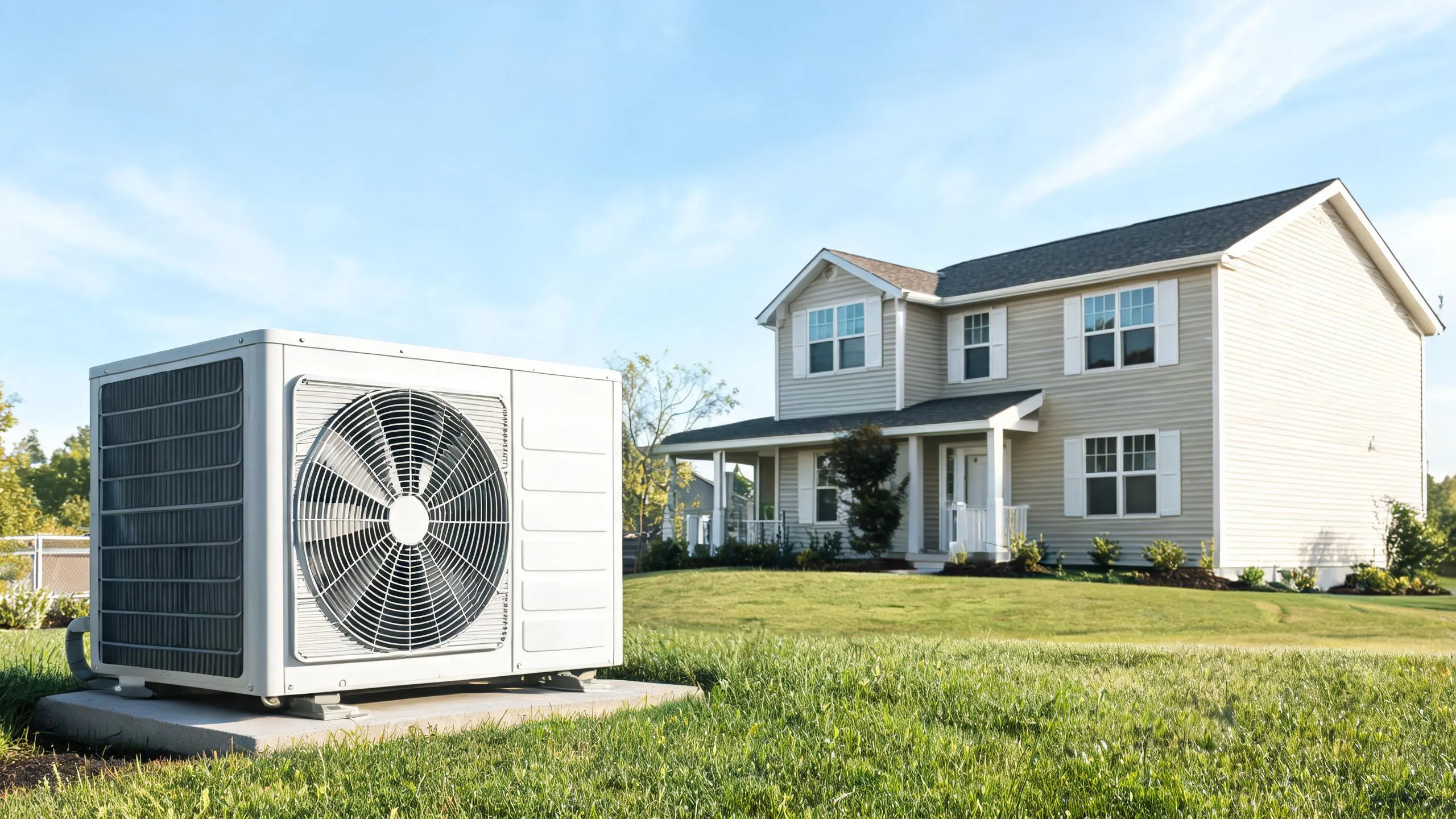
Heat Pump Installation in Camden, SC
A new system here will heat from November through March and cool from May through September every year. Tell us about the house, and a licensed contractor who covers Kershaw County will get in touch.
Tell us about the job
It takes about a minute.
Step 1 of 3: Equipment
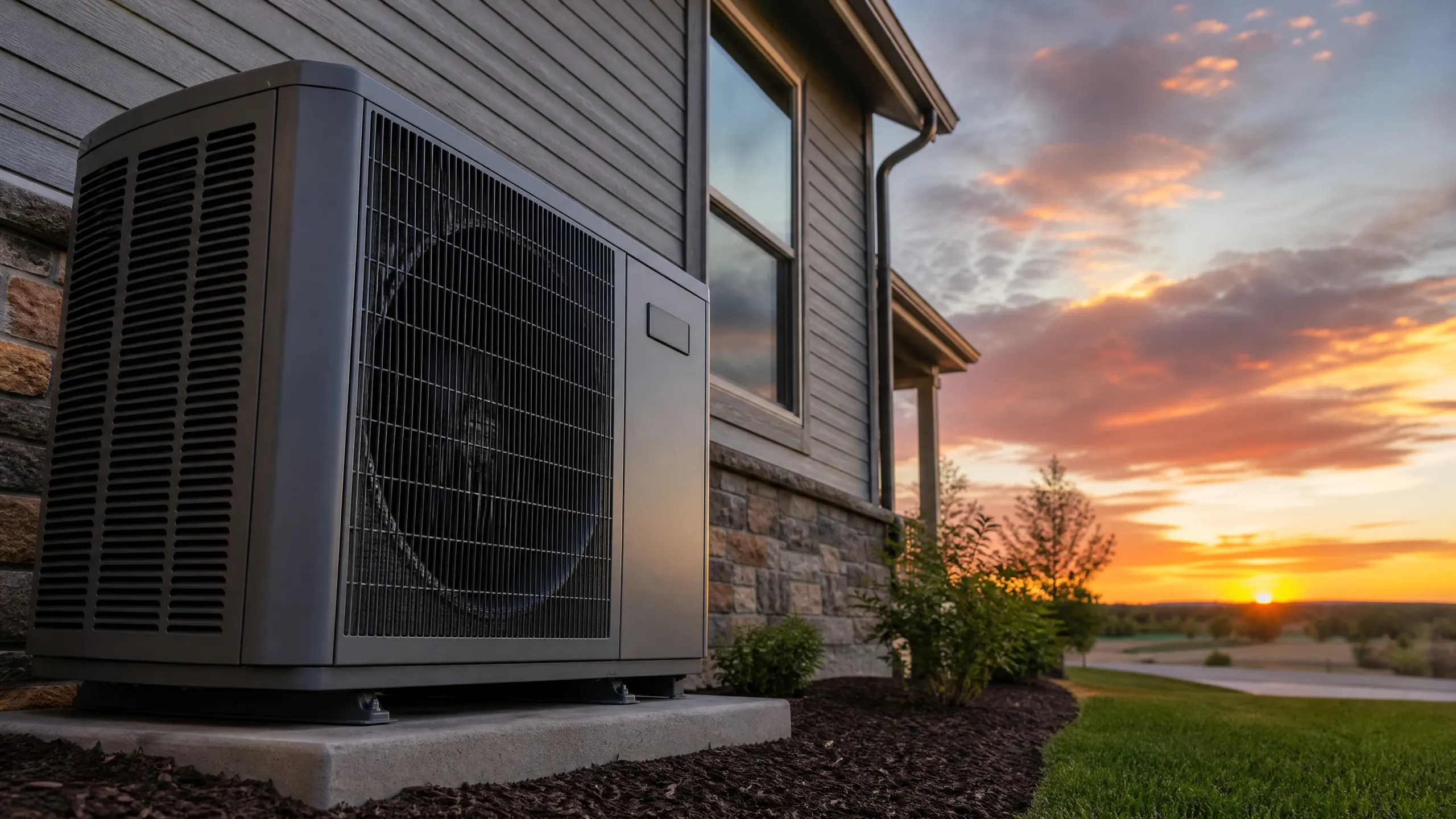
Ten months of work a year in Camden
Your heat pump earns its keep here. Winters average 34°F at night from December through February, and summers run 90°F in the afternoon. Homes in Camden need heat five months a year and cooling five more, ten months of work in all.
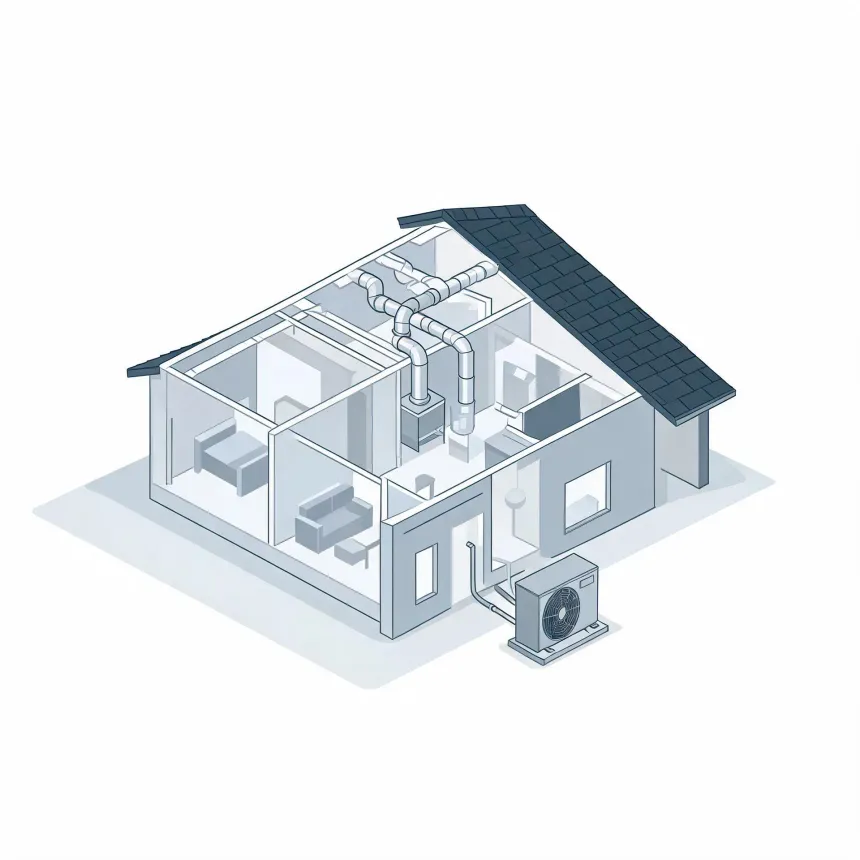
A split-system heat pump installed today has to meet 14.3 SEER2 for cooling and 7.5 HSPF2 for heating. With Camden asking for both sides that often, sizing and installation matter as much as the rating on the label.
- 5 months
- November through March, your system heats
- 5 months
- May through September, it cools
- 34°F
- the average winter night it heats against
- 90°F
- the average summer afternoon it cools against
Jan
Feb
Mar
Apr
May
Jun
Jul
Aug
Sep
Oct
Nov
Dec
NOAA nClimDiv, 1991–2020 normals
- Is a heat pump better than a furnace?
- For most homes in Camden, yes. Winters here are mild, with nights averaging 34°F, so a heat pump can handle the heating load without much strain. A furnace only heats, while a heat pump handles both heating and cooling from one outdoor unit. If you already heat with electricity, which most homes here do, a heat pump usually costs less to run than electric resistance heat.
- What's the difference between a heat pump and an air conditioner?
- An air conditioner only cools. A heat pump does the same job in summer, moving heat out of your house, but in winter it runs in reverse and moves heat into your house instead. The outdoor unit looks about the same either way. That's why a heat pump can replace both your furnace and your air conditioner.
- Does a heat pump work in cold weather?
- Yes, and Camden winters are mild enough that it isn't a concern here. Nights average 34°F from December through February, well within the range a heat pump handles without help. Heat pumps lose some capacity as it gets colder outside, but that matters more in places with hard freezes than it does here.